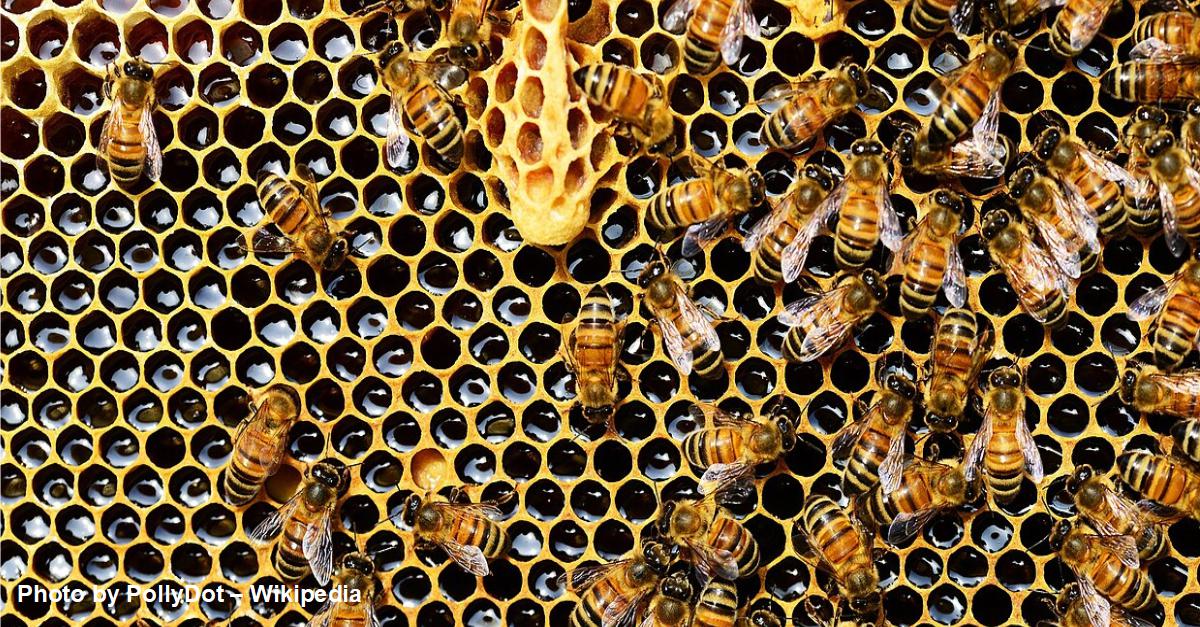
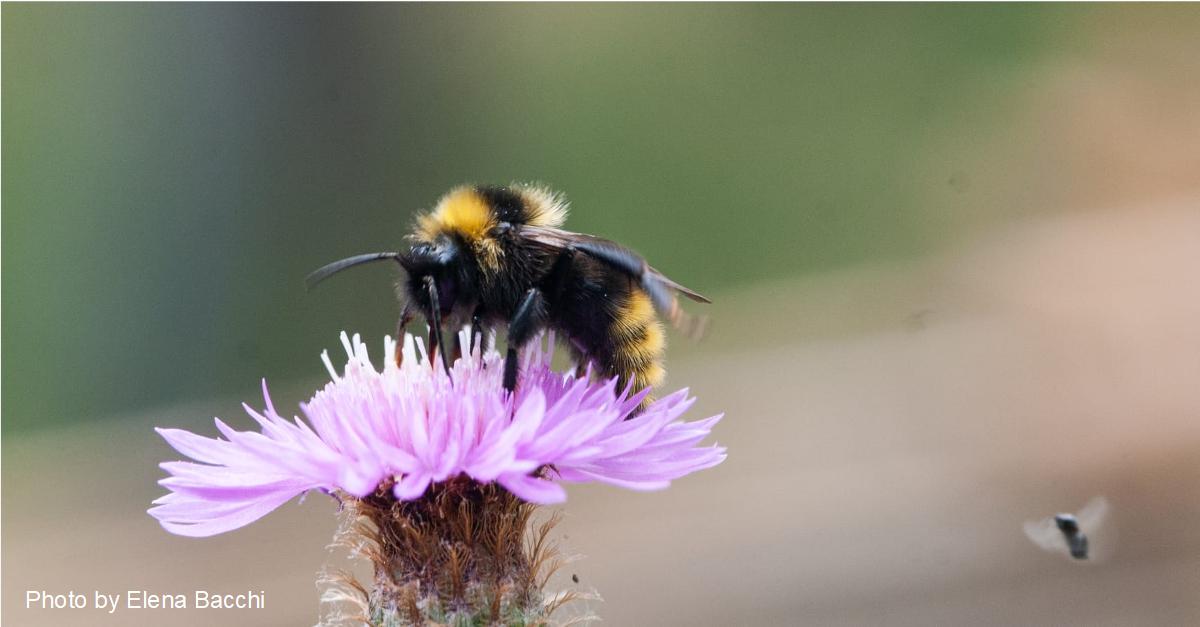
The relationship between managed honey bees and wild bees is often debated, particularly regarding the risk of competition for floral resources. A recent study, presented at the 49th Apimondia Congress in Copenhagen, examined this issue in three Italian national parks. Researchers compared pollen collected by managed honey bees (Apis mellifera) and by several groups of wild bees, including Bombus, Lasioglossum, Andrena, Megachile y Colletes.
Pollen samples were collected during summer and autumn from both honey bees and wild bees. They were analysed using palynological microscopy and DNA metabarcoding to identify plant species and assess the overlap in pollen use.
The results revealed a highly specialised trophic network and generally low overlap in pollen resources between honey bees and wild bees. This suggests that the different species often rely on distinct pollen sources. According to the researchers, sustainable beekeeping practices, low apiary density and habitat restoration can support coexistence with wild bees in protected areas.
Read the paper full text aquí.