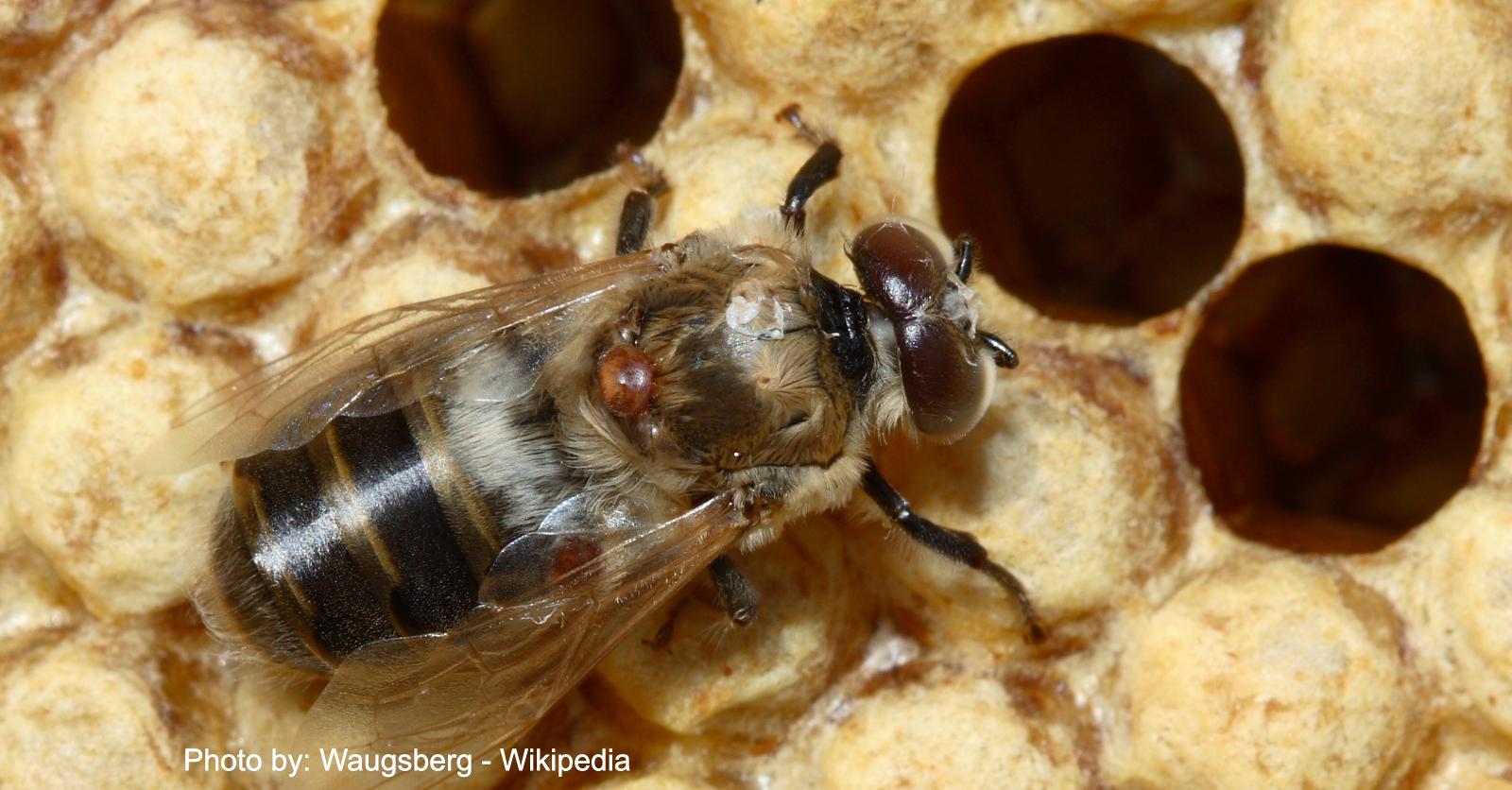
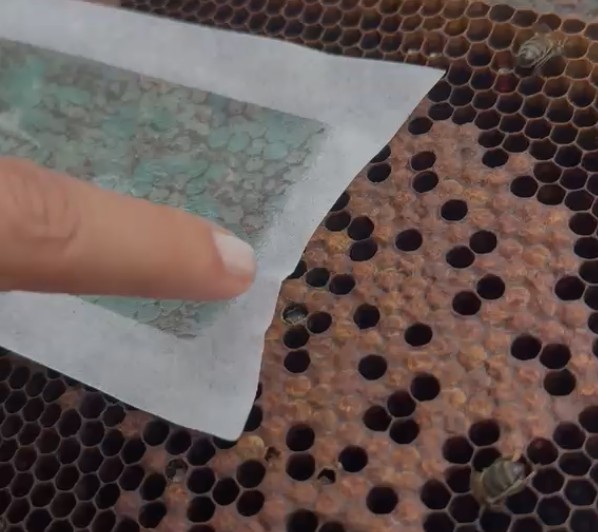
Dr. Asli Ozkirim and Detection of tropilaelaps by using wax strips
One of the emerging concerns for honey bee health is the reported occurrence and potential further spread of the mite Tropilaelaps mercedesae to Eastern Europe, especially after the video release by PHIRA-Science, on the mite detection by Dr. Asli Ozkirim on 26 July 2026. The footage was shared by Tirebolu beekeepers, and the location in the video is identified as Artvin region in Turkey near to Georgian border, where a quarantine had been initiated. Artvin is a legally designated isolated area where the Apis mellifera caucasica species is under genetic protection, which makes the finding even more important.
PHIRA- Science mentions: “This is not being presented as an official government confirmation of Tropilaelaps in Turkey, but is an evidence of what was observed during this particular inspection”.
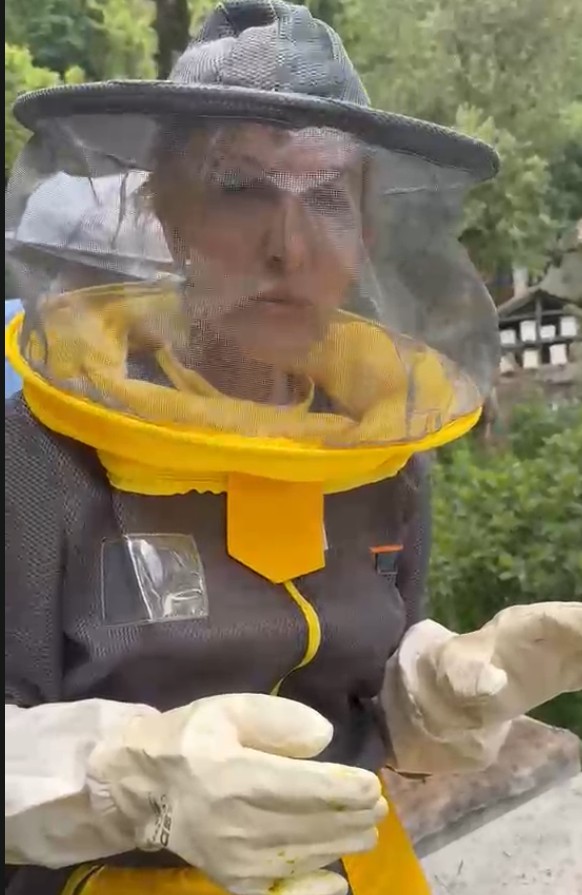
However, the appearance of infestation in the colony shown in the video appears to be high, a fact that might shows that the mite was present there for some time, and it is not a recent introduction. Detections have been previously reported in parts of Georgia (2024) and Russia (2025), while concerns have also been raised regarding its possible presence in Armenia, Azerbaijan and Iran. These reports underline the need for urgent and strengthened surveillance and preparedness, particularly in countries at risk of introduction.
In response to this situation, and in line with the recommendations previously issued by the Apimondia Working Group on Good Veterinary Practices in Apiculture, Apimondia’s Scientific Commission on Bee Health is proposing a set of practical coordinated actions with Apimondia members and relevant national authorities in Eastern European Countries and Asian Countries (to be announced soon). A hands-on training workshop in Kazakhstan in August 17-18, will also provide an opportunity to strengthen technical capacity and harmonize surveillance approaches.
The last updated map of Tropilaelaps mite is available here form ANSES: https://sitesv2.anses.fr/en/minisite/abeilles/geographical-spread-exotic-mite-tropilaelaps-spp-presence-suspected-belarus-and-0
We believe that we should act now and with no delay. The first countries to alert could be: Ukraine, Bulgaria, Belarus, Romania, Greece, Cyprus. We should reinforce the need for prevention, early detection, and rapid response as primary strategies.
Fani Hatjina
Chair of Bee Health Commission