
22nd COLOSS Conference 2026 — Bologna, Italy
Join the global honey bee community for two days of science and collaboration. Mark your calendars! The 22nd COLOSS Conference (Prevention of honey bee colony losses International Association) takes place
Join the global honey bee community for two days of science and collaboration. Mark your calendars! The 22nd COLOSS Conference (Prevention of honey bee colony losses International Association) takes place

The 11th European Conference of Apidology will take place from 7 to 10 September in Bologna.
Organized by CREA (the Italian Agricultural Research Council) and the University of Bologna,
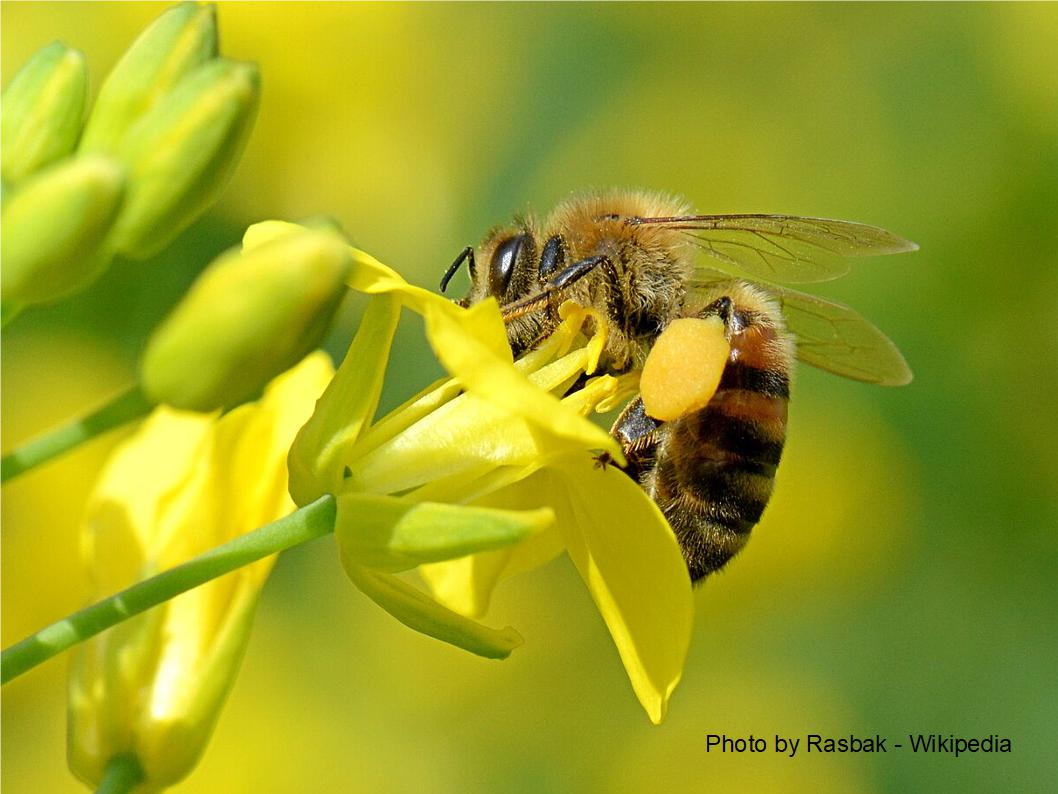
Rapeseed (Brassica napus) is an important source of nectar and pollen for honey bees, but it may also hide some problems.
A recent study conducted in Argentina and published
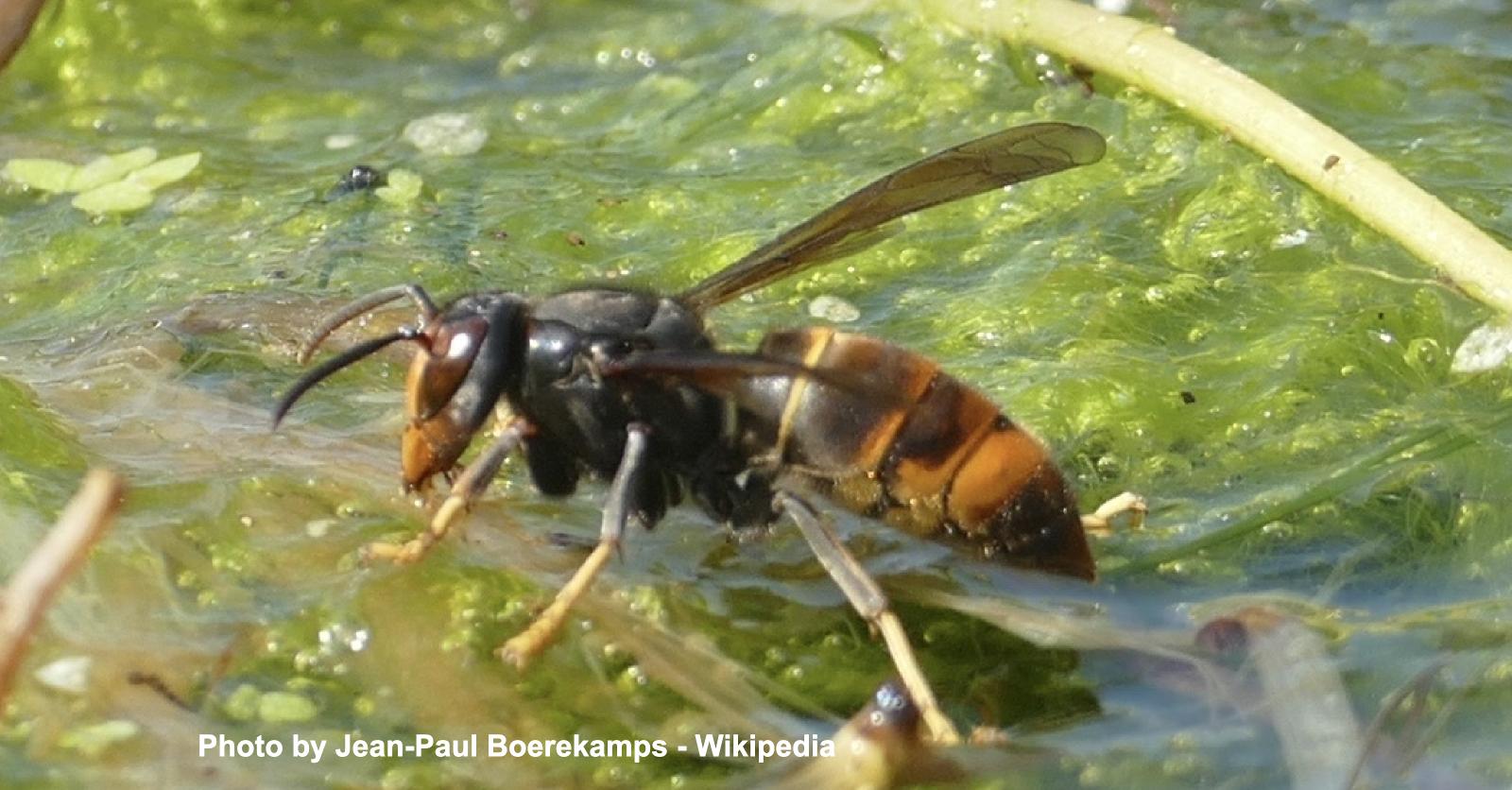
The spread of Vespa velutina continues in the US. This week, the North Carolina Department of Agriculture confirmed the first detection of the yellow-legged hornet in the state, in the

From 25 to 27 September, the 1st International Apitherapy Congress of Switzerland will take place at the Biel Congress Centre, Switzerland. Supported by Apimondia, the event is organized by the
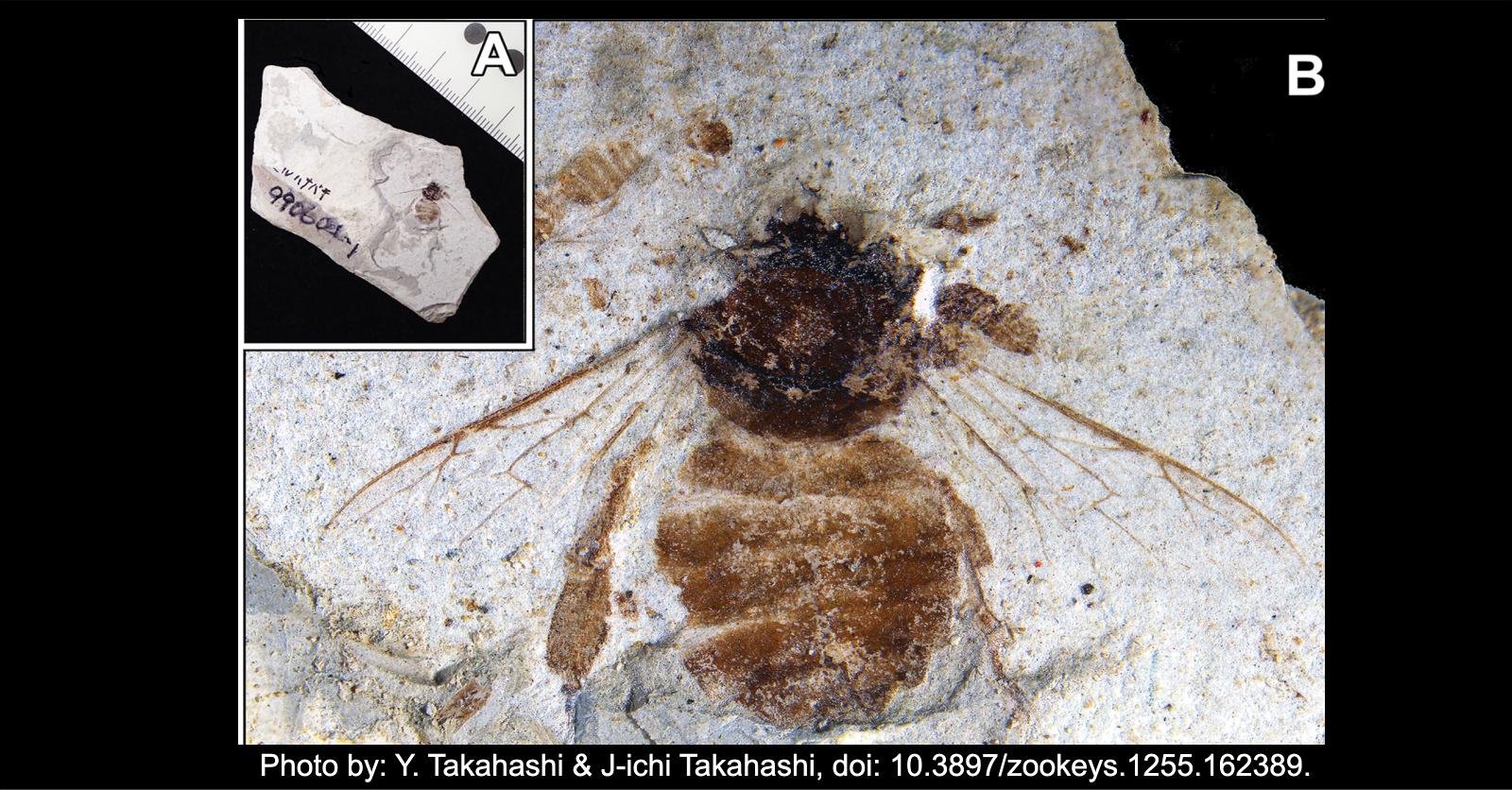
A fossil of a new honey bee species fills a gap of several million years in the evolutionary history of honey bees. Discovered in Hyogo Prefecture, Japan, this fossil belongs
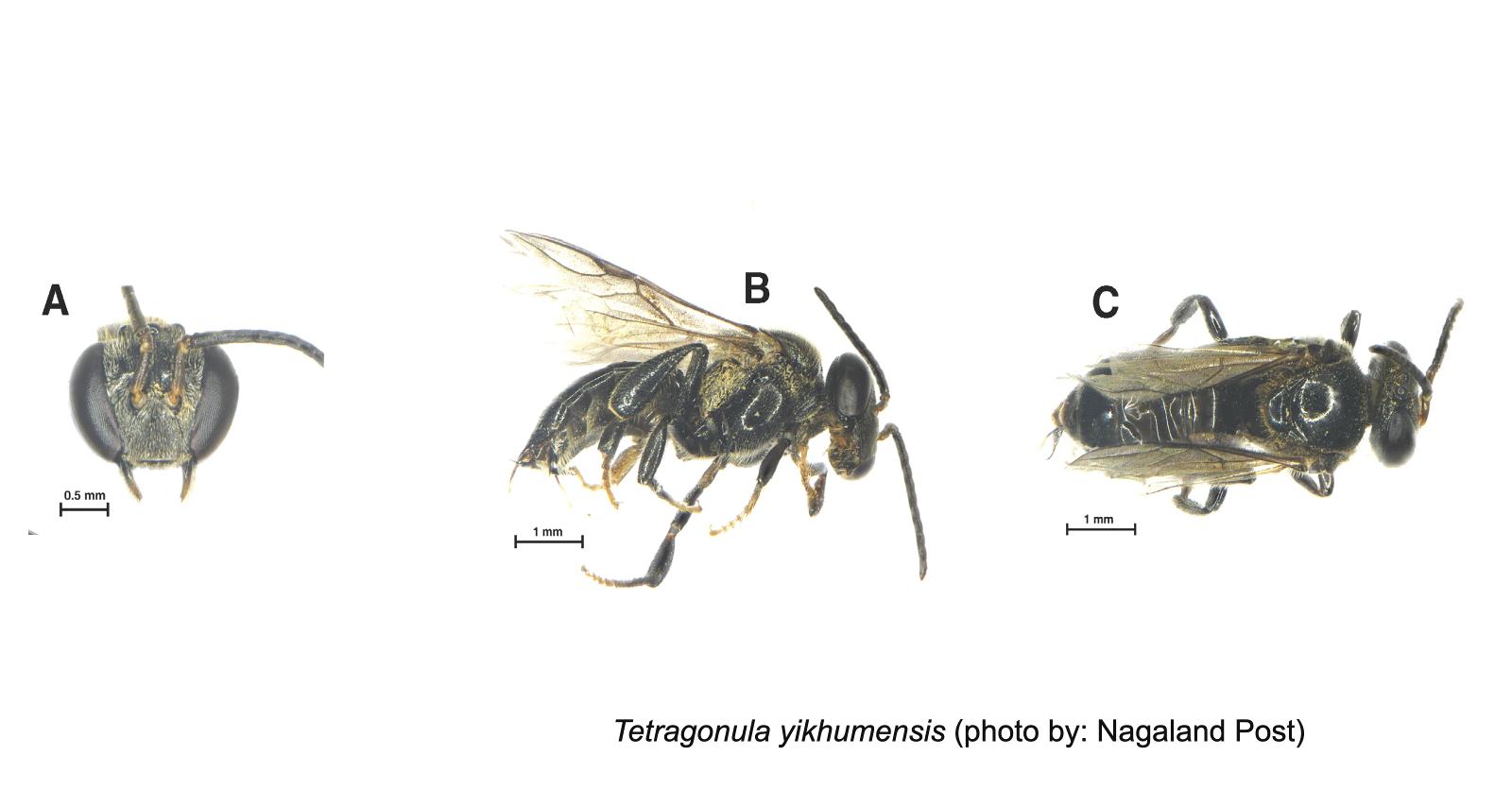
A new subterranean stingless bee species has been discovered in Wokha District, India. Named Tetragonula yikhumensis, it is the largest stingless bee species in the country and the second subterranean
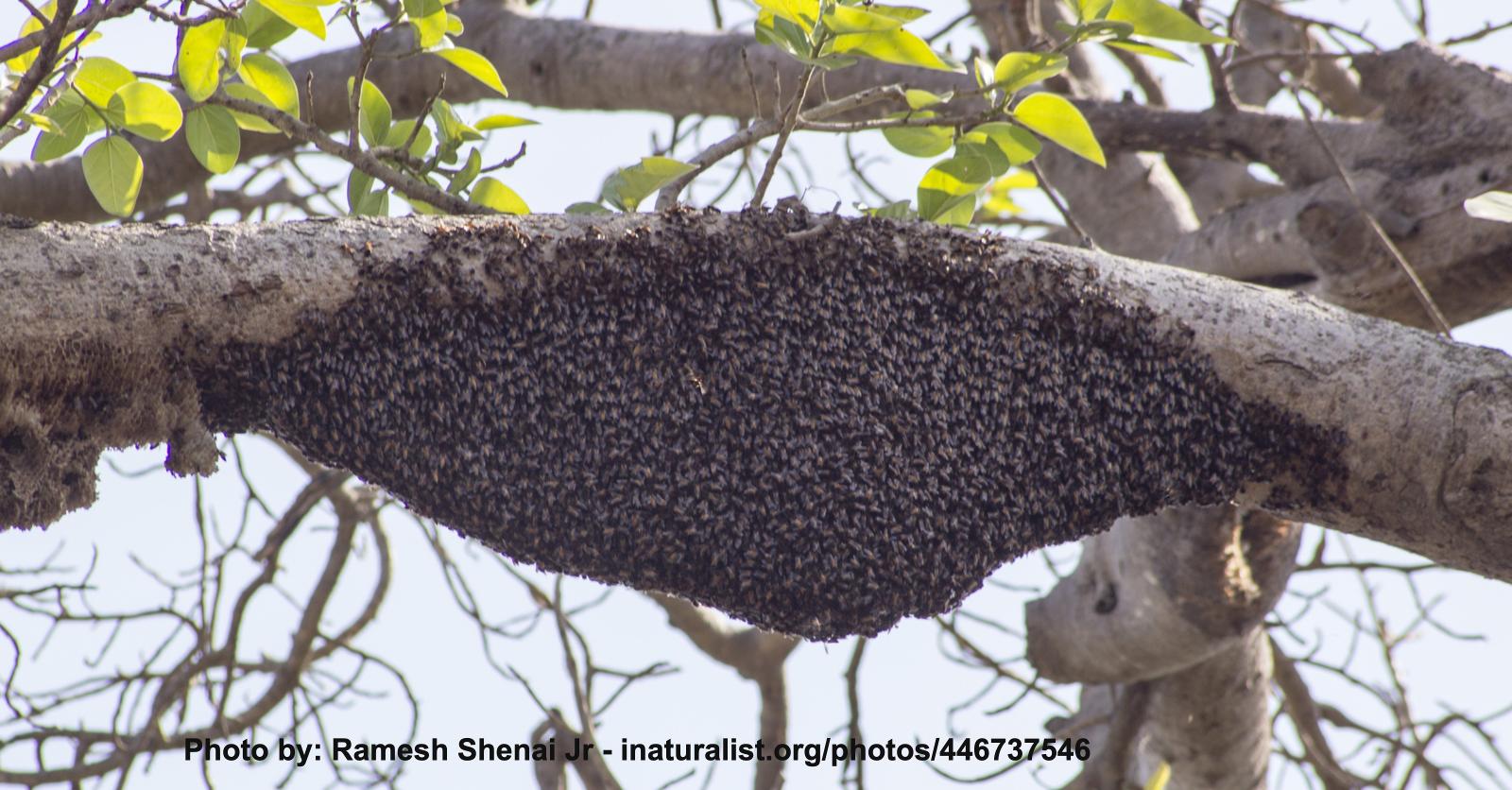
A short note published in Apidologie reports the first evidence of Aethina tumida in giant honey bee colonies (Apis dorsata) in India.
Wild colonies in the Sundarbans mangrove forest
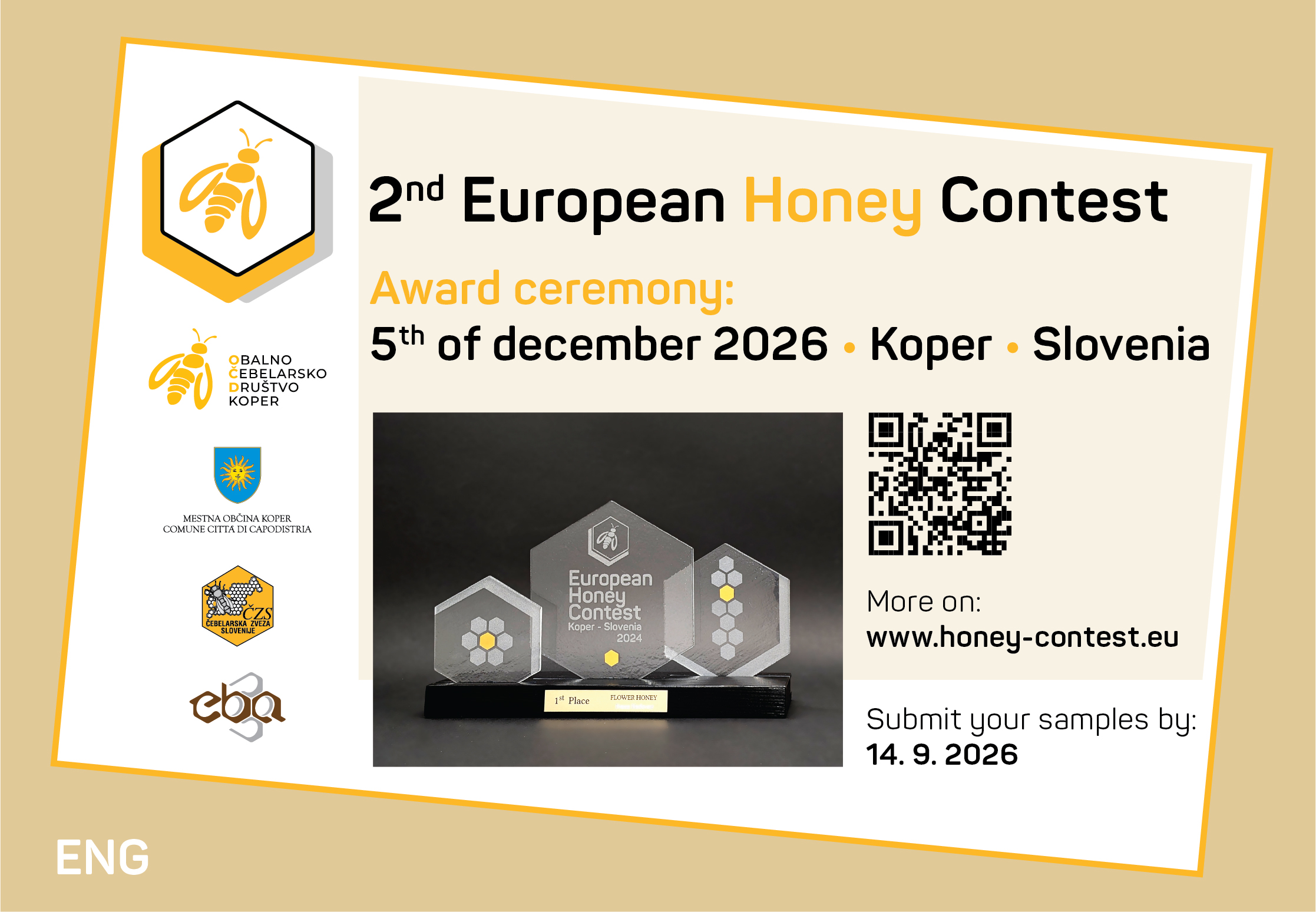
Apimondia is pleased to share the invitation to participate in the European Honey Contest 2026, an international competition celebrating the quality, authenticity, and diversity of European honey. The contest offers
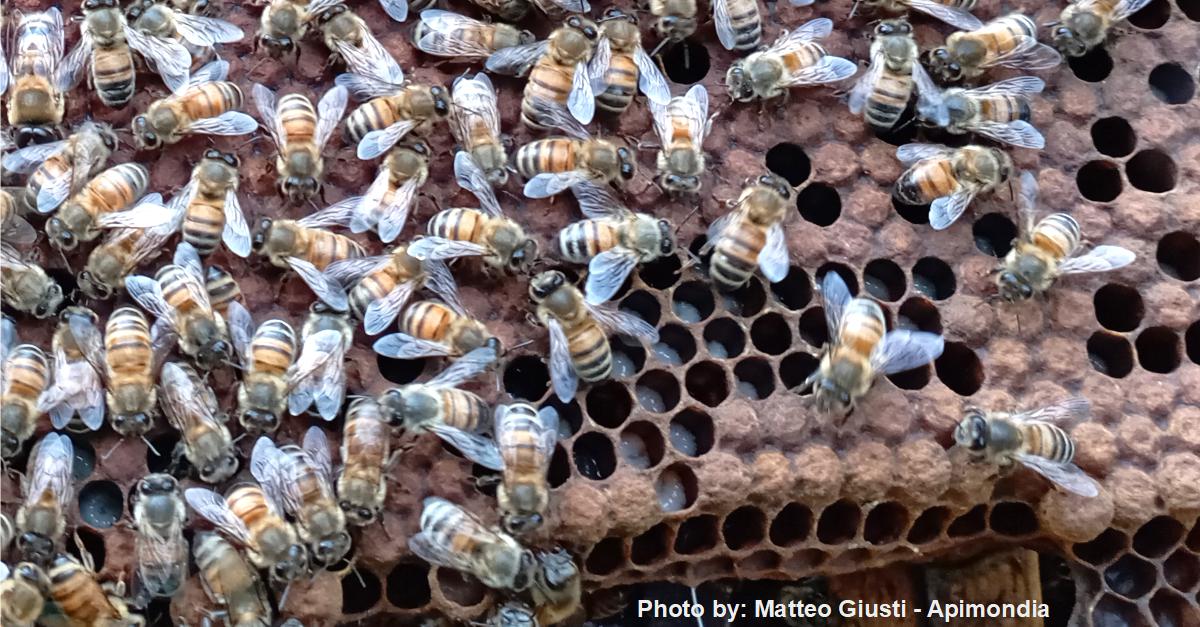
According to a new study conducted in South Korea a yeast could be effective against nosemosis. Researchers tested the efficacy of Lachancea fermentati, a yeast isolated from the midgut of