
Beekeepers meeting the Pope: registrations are open again!
Dear Beekeepers and Friends, In Rome we are actively working on the organisation of this unique event: the meeting with the Pope for you. We are pleased to inform you
Dear Beekeepers and Friends, In Rome we are actively working on the organisation of this unique event: the meeting with the Pope for you. We are pleased to inform you
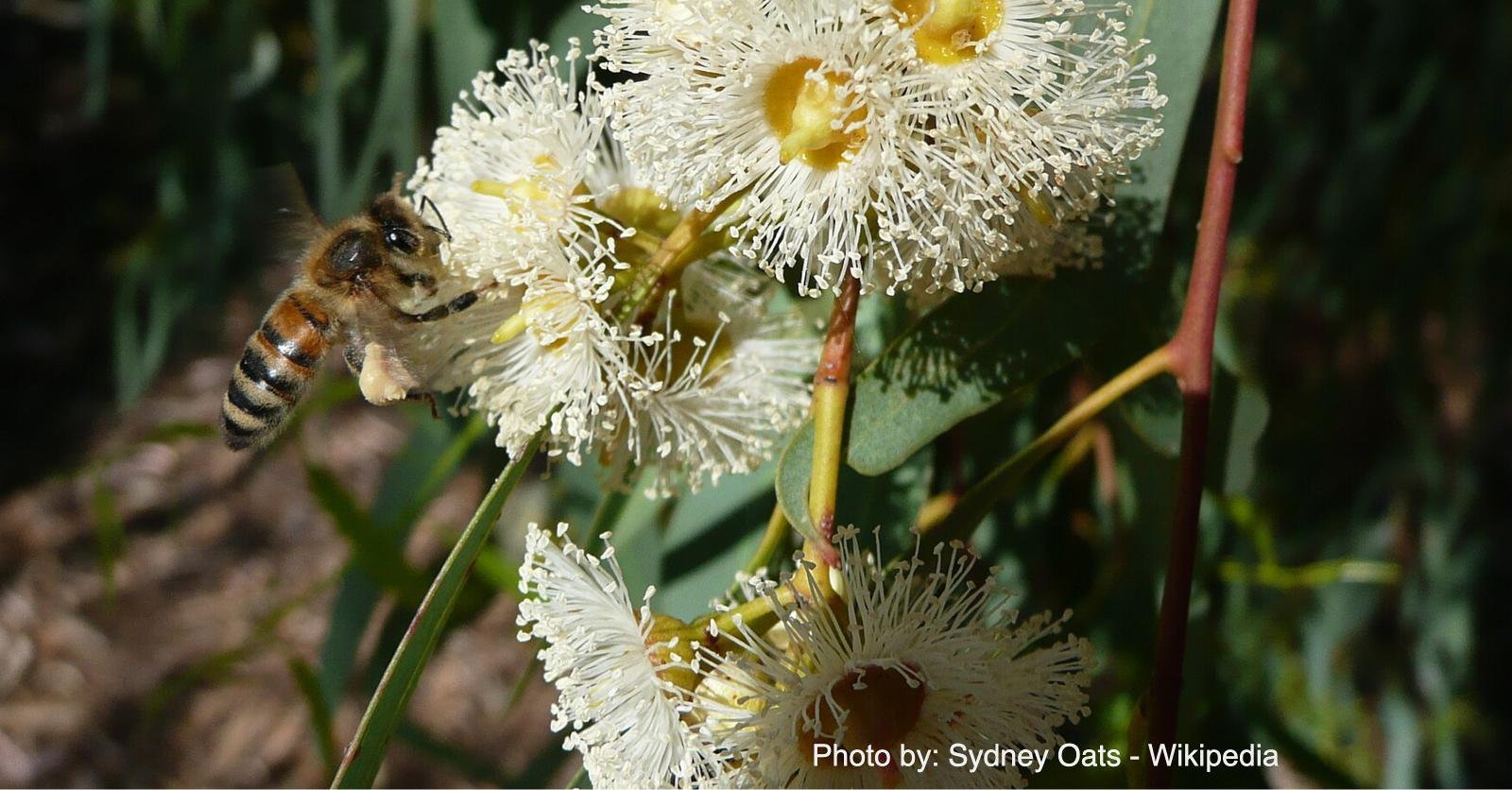
AgriFutures Australia is inviting research proposals under its 2026–27 Honey Bee & Pollination Program, offering opportunities to advance bee health, pollination services and the sustainability of Australia’s beekeeping industry. Researchers,
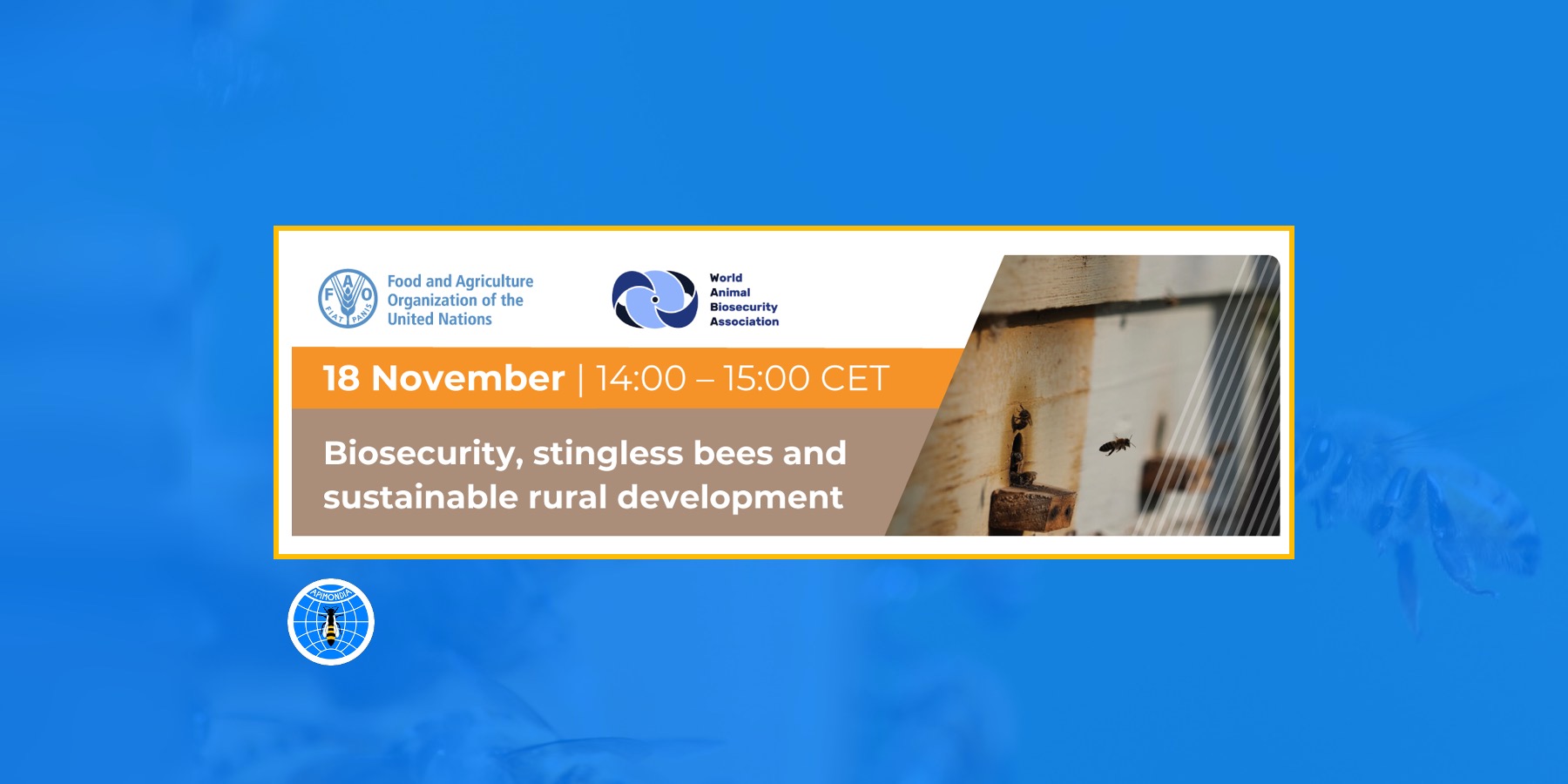
FAO and the World Animal Biosecurity Association (WABA) Scientific and Information Committee are organising a new webinar series on the concepts and application of biosecurity in animal populations. The next
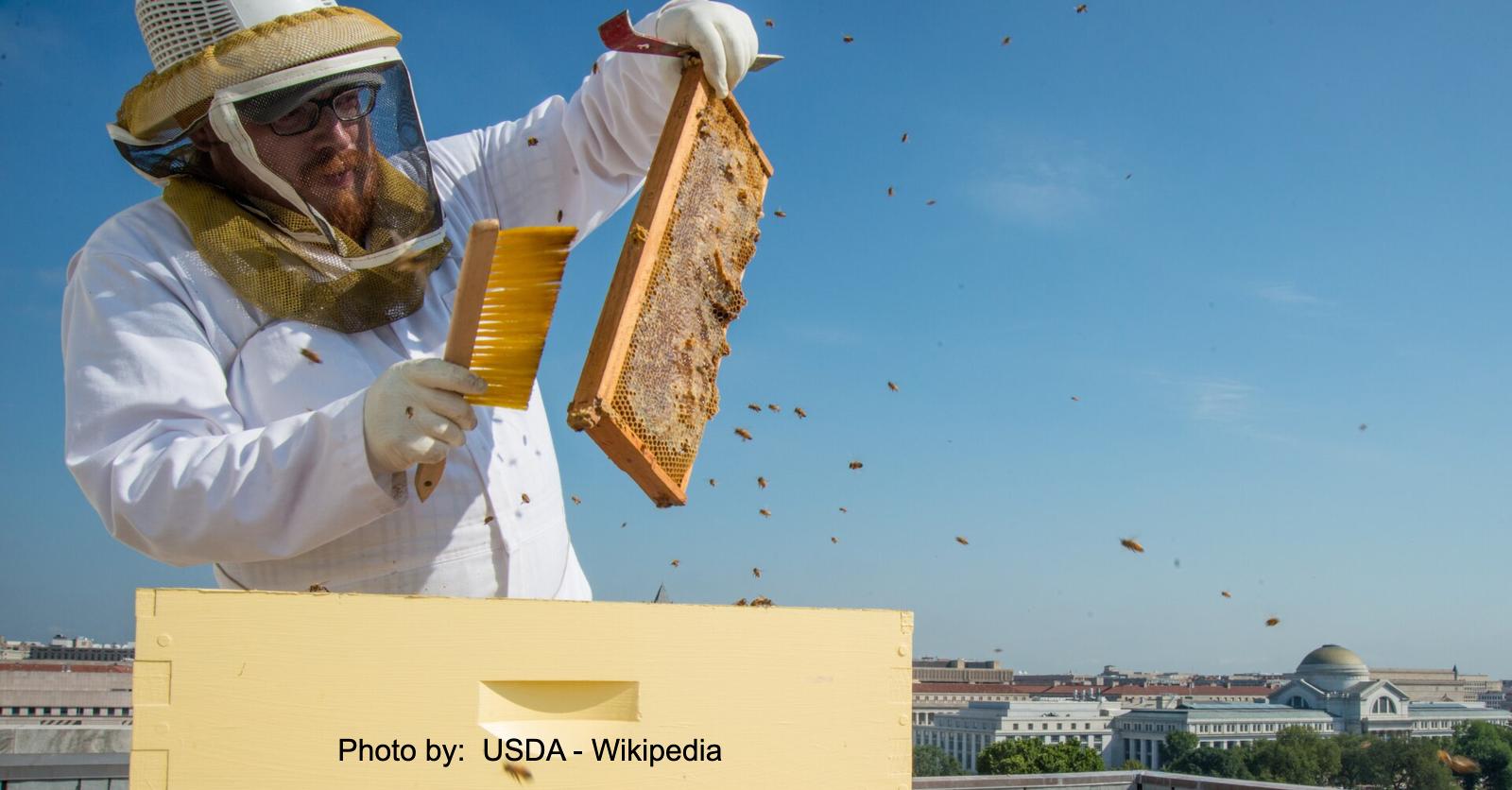
Urban beekeeping is becoming an increasingly widespread activity in many cities around the world. But what are the opportunities and risks associated with this form of beekeeping? A study conducted
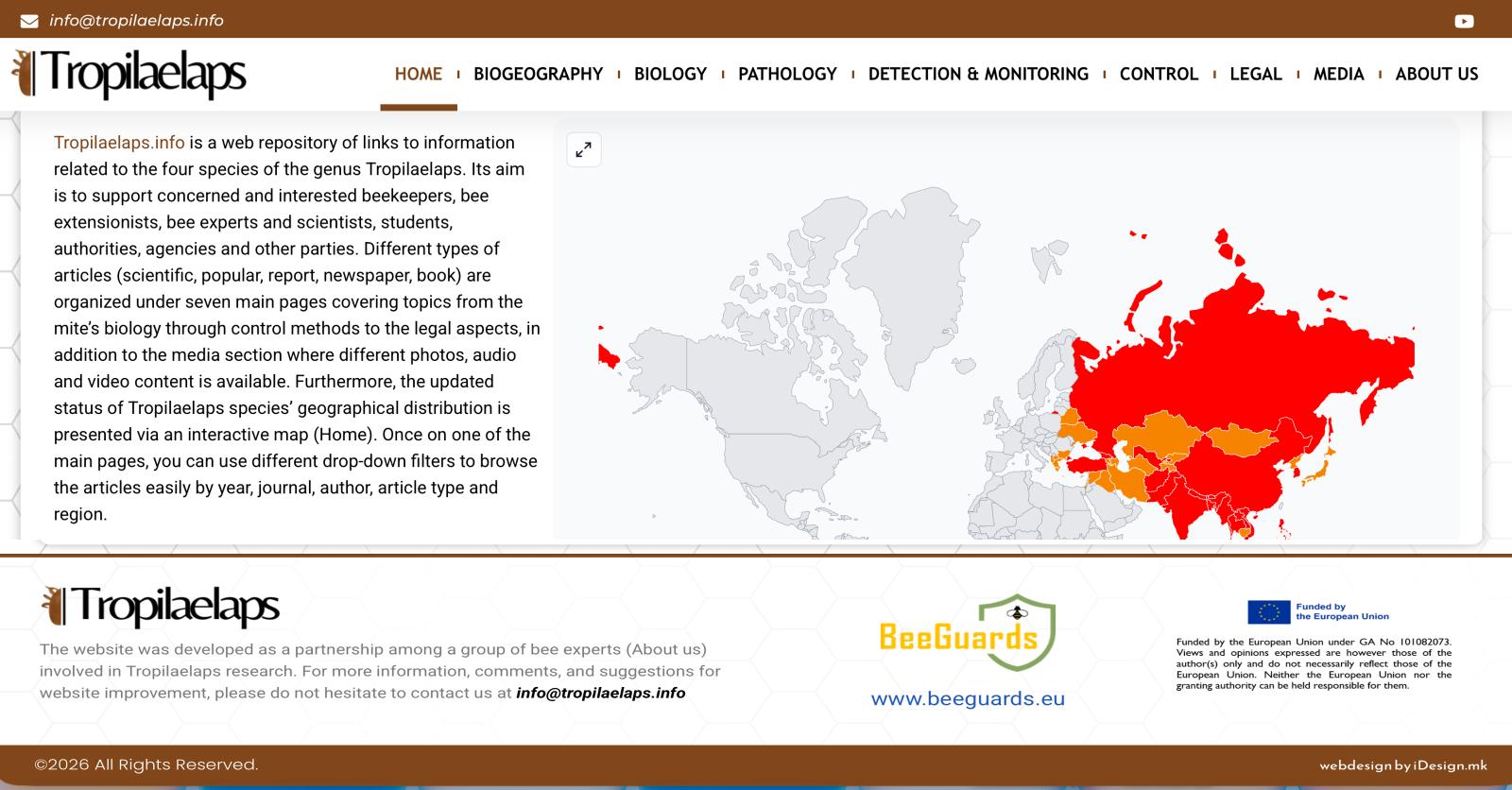
The first step in combating the threat posed by Tropilaelaps is knowledge. To this end, a group of bee experts has developed a dedicated website on this mite to share

Last week, on 5 and 6 November, FAO Headquarters in Rome hosted the Global Pollinator Conference. Two days of discussion on how to protect pollinators and how to shape the

The island of Comino, in Malta, will become the official conservation site for the Maltese honey bee, Apis mellifera ruttneri. The Ministry of Agriculture has designated this small island, located
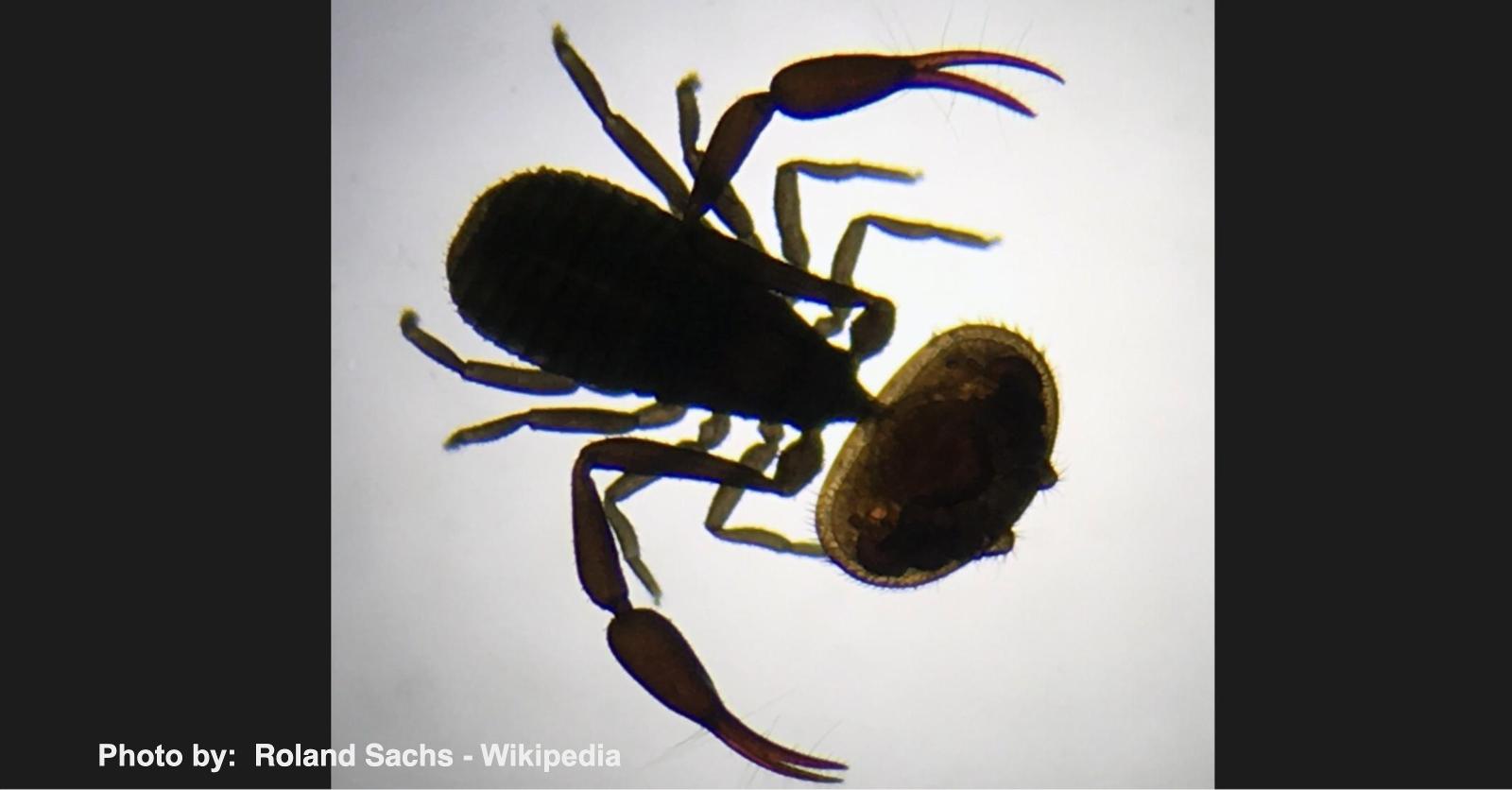
Pseudoscorpions can sometimes hunt and feed on mites, including Varroa. But could they be used to control Varroa and protect beehives? Here, we discuss some considerations regarding the potential use
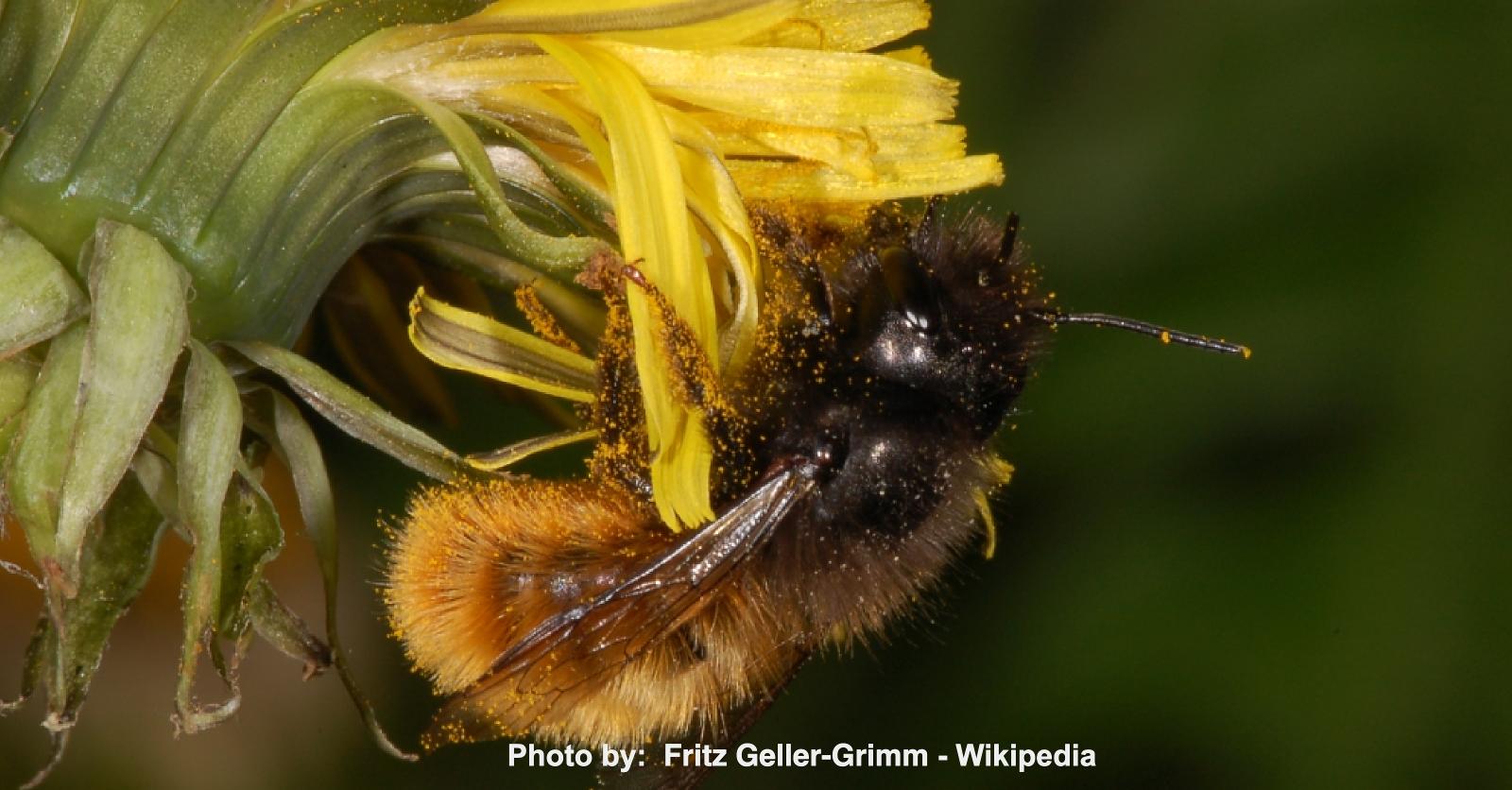
On October 29th, Apimondia – represented by Dr. Fani Hatjina, Chair of Bee Health Commission – partecipated at a demo workshop for stakeholders organised by the PollinERA project.
PollinEra
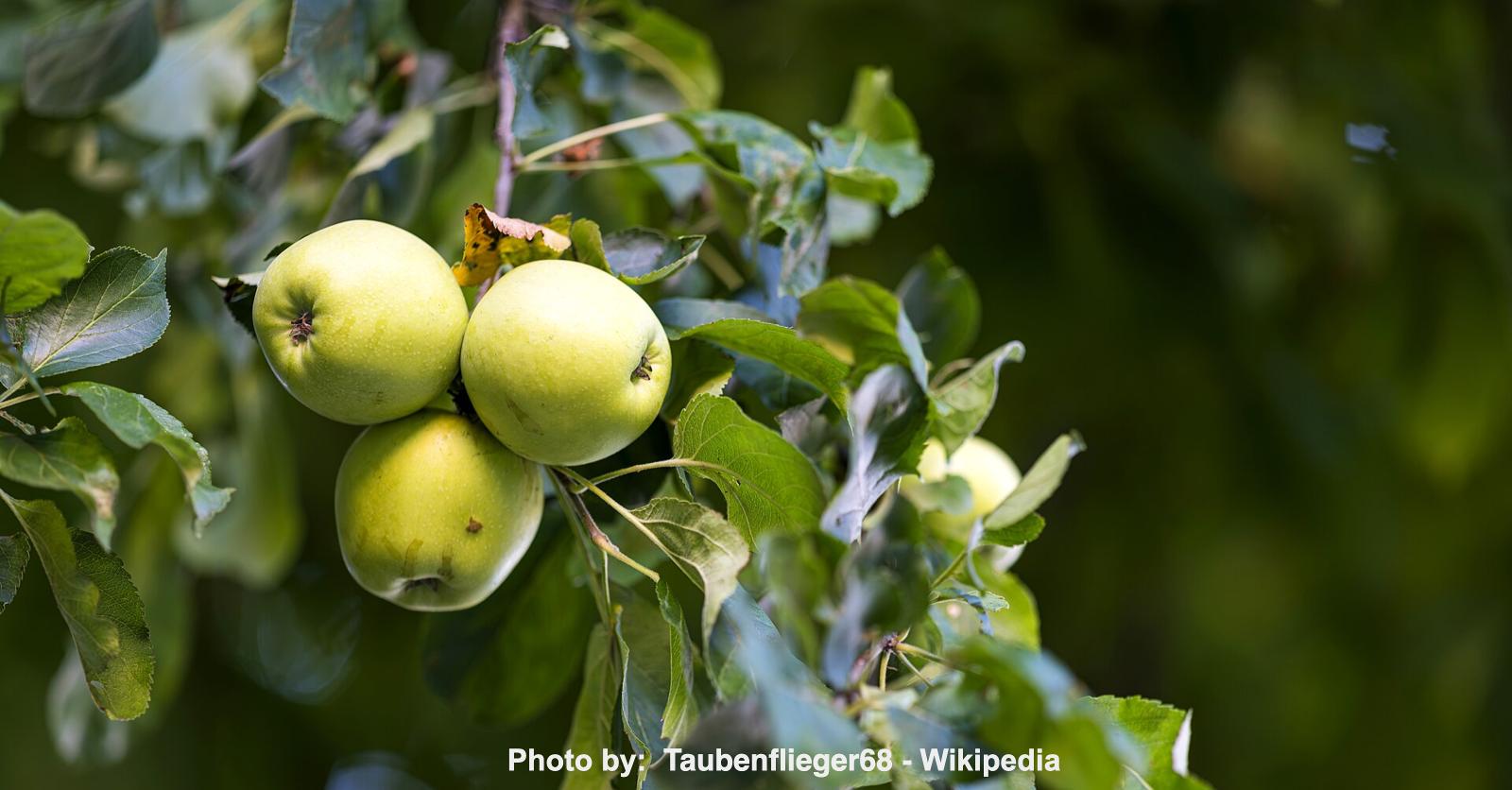
Pollination is a crucial ecosystem service for apple production, with 90% of the impact on yields and producers’ revenues. But how much is it worth economically? A new study published