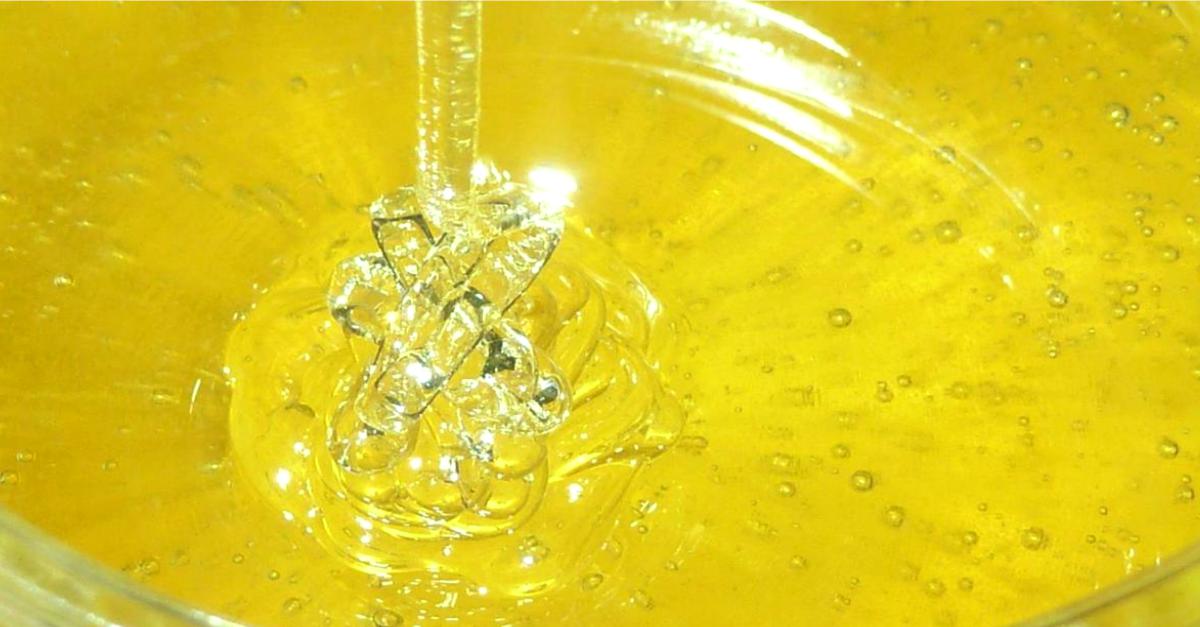
Kazakhstan, Doubled Honey Export
According to the Ministry of Agriculture, exports reached 1,477 tons, up from 603 tons in 2024, more than doubling in one year. The main destination was Uzbekistan, which received about
According to the Ministry of Agriculture, exports reached 1,477 tons, up from 603 tons in 2024, more than doubling in one year. The main destination was Uzbekistan, which received about

Türkiye and Ukraine brought together public institutions, researchers, producers and companies to review studies on apiculture policies, value chains and education systems in both countries. Participants validated findings and discussed
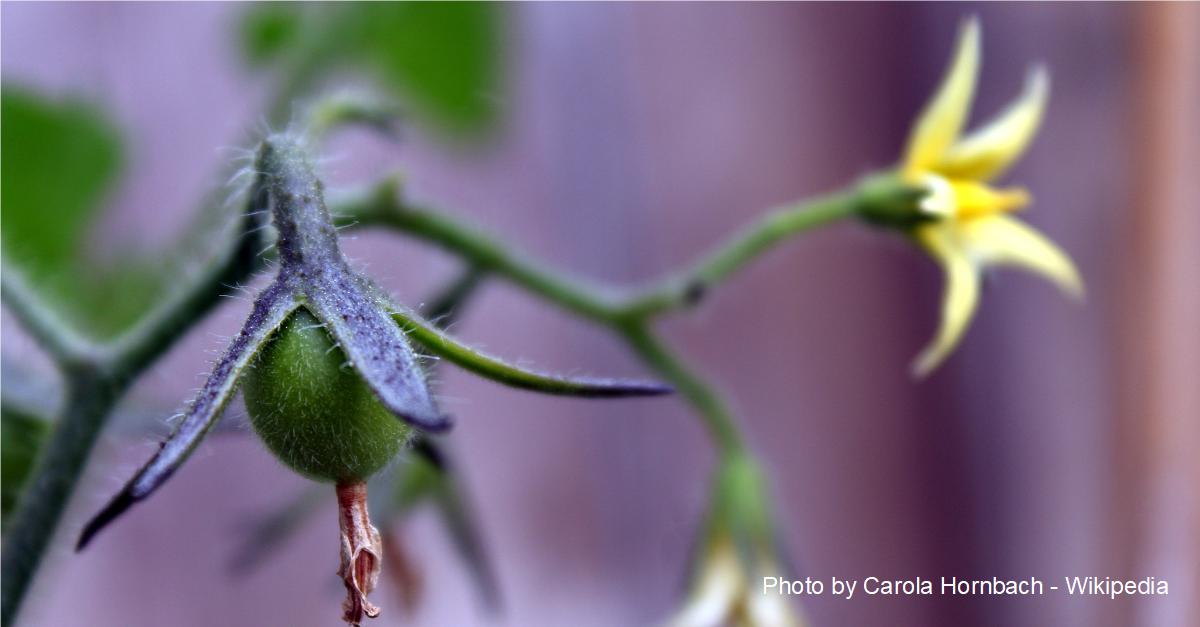
A new study conducted in Brazil compared the pollination services provided by stingless bees (Melipona quadrifasciata) and wild bees in open fields of organic tomatoes. Researchers evaluated bee communities and
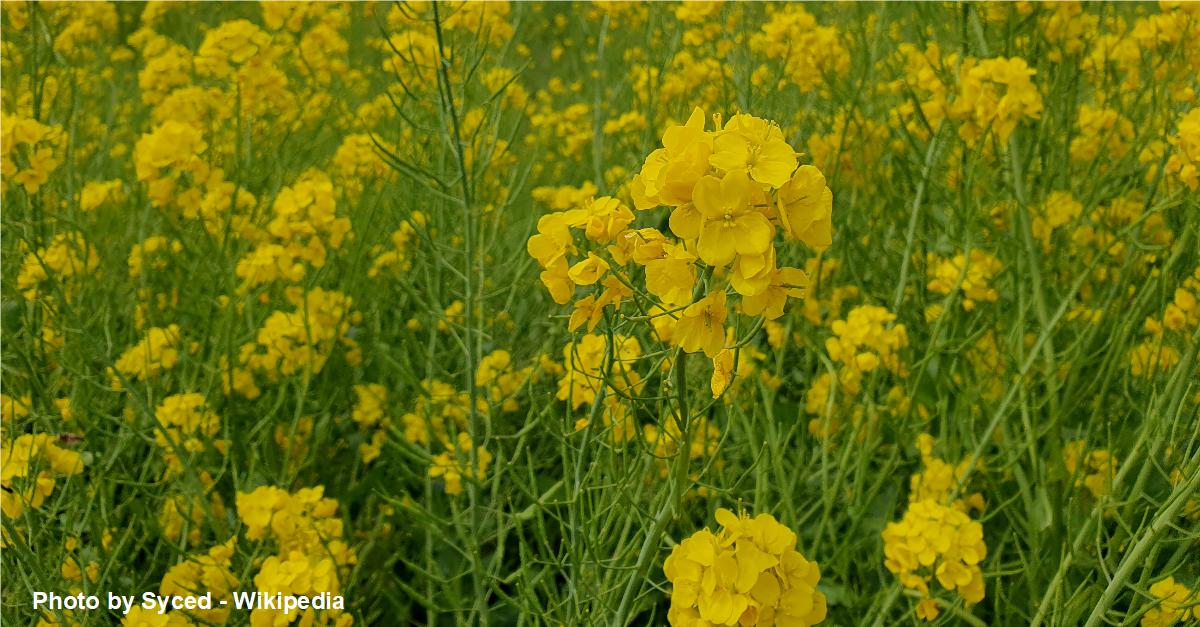
In the Northern Hemisphere, canola (Brassica napus) is blooming now. And from the Southern Hemisphere, a new study just published in the Journal of Pollination Ecology, highlights the role of
APIMONDIA express serious concern regarding the European Commission’s proposal for a food and feed safety Omnibus. The proposal significantly weakens EU pesticide legislation and undermines the protection of human health,
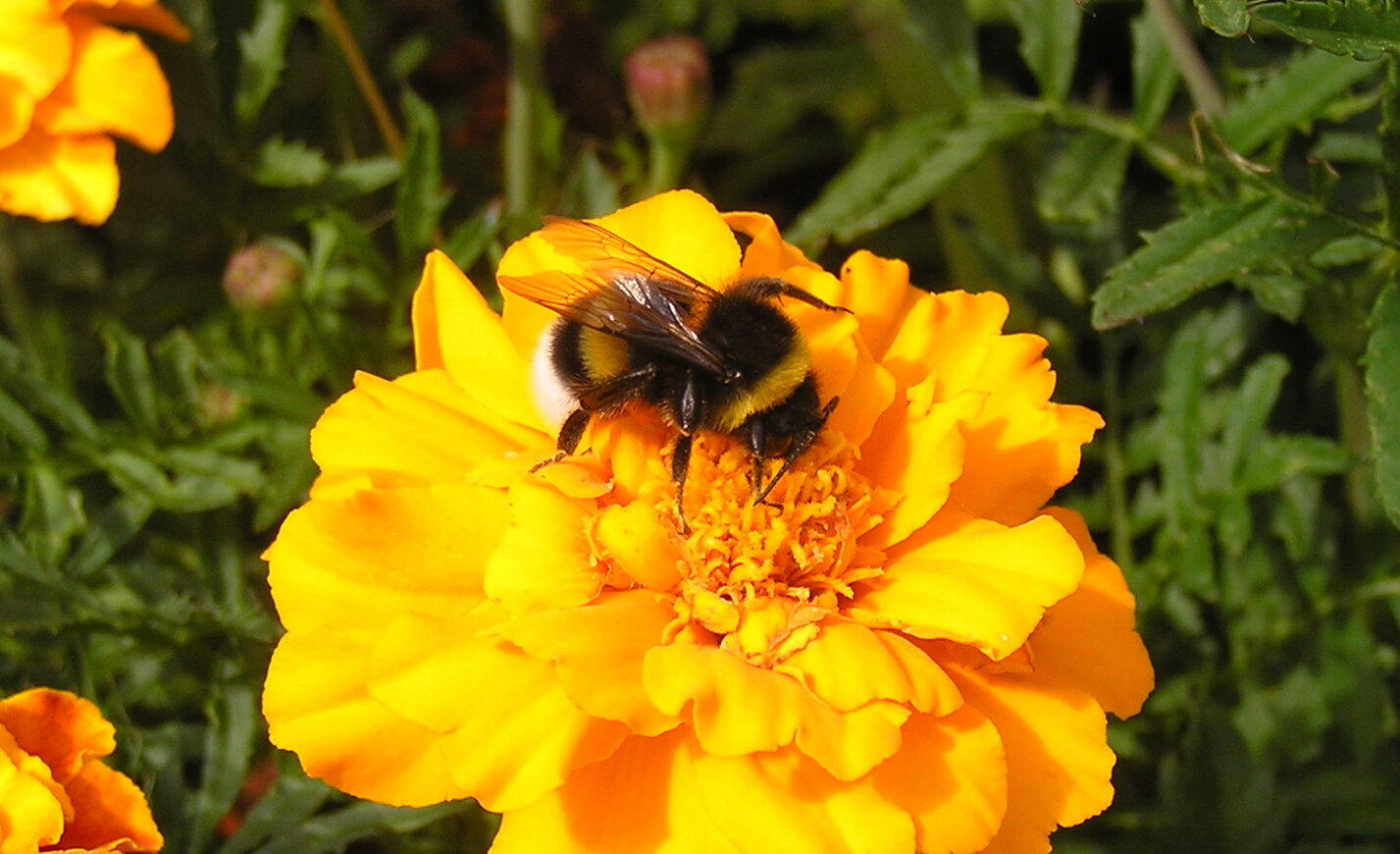
Pollinators are vital for food production and biodiversity, yet wild populations are declining globally. Apimondia highlights that environmental pressures—not managed honey bees—are the main drivers, and calls for a balanced,
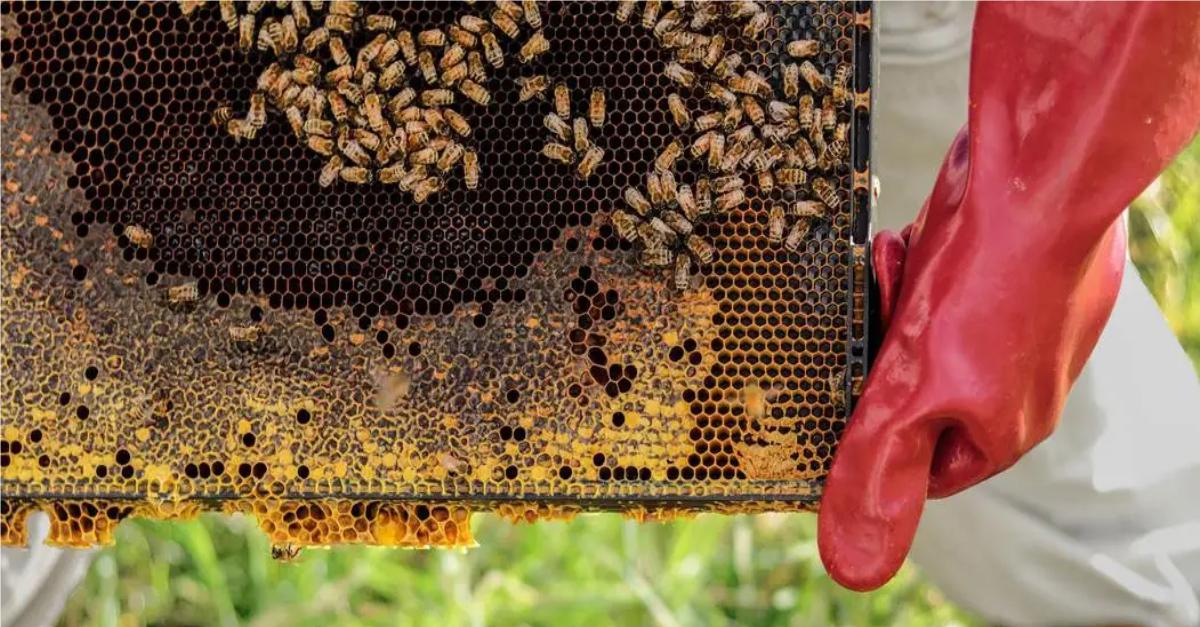
INSIGNIA-EU involved 10 European countries in a citizen science program to monitor pesticides, microplastics, heavy metals, and air pollutants.
The latest publication, in Environmental Technology & Innovation, focuses on
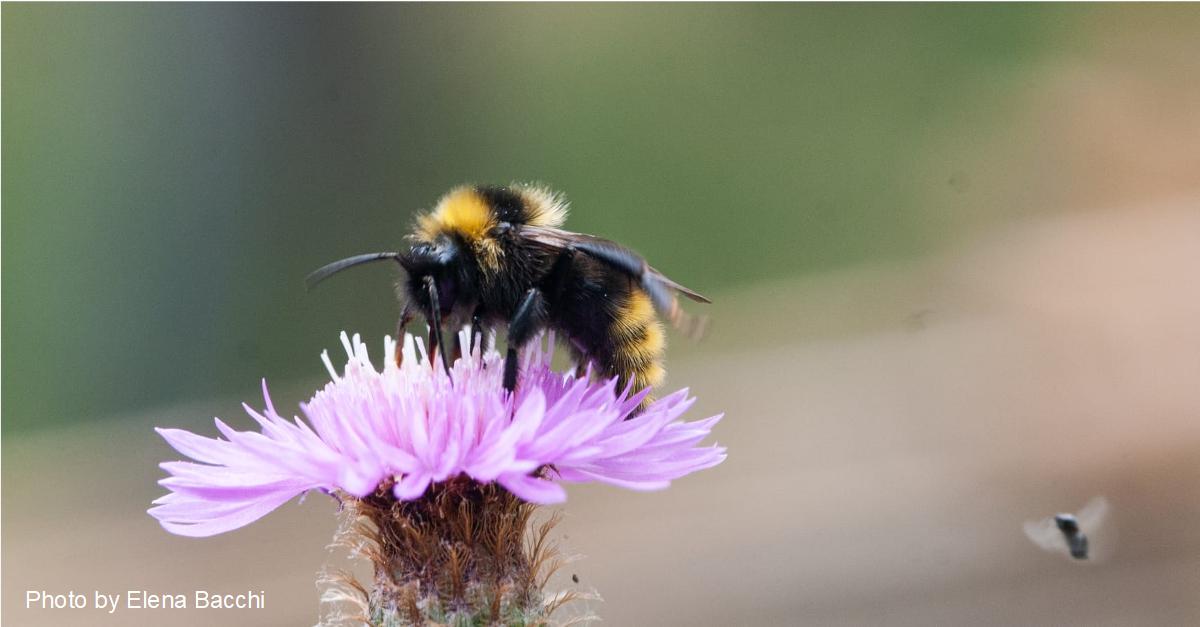
A recent study, presented at the 49th Apimondia Congress in Copenhagen, examined the competition among managed and wild bees in three Italian national parks comparing pollen collection.
Pollen
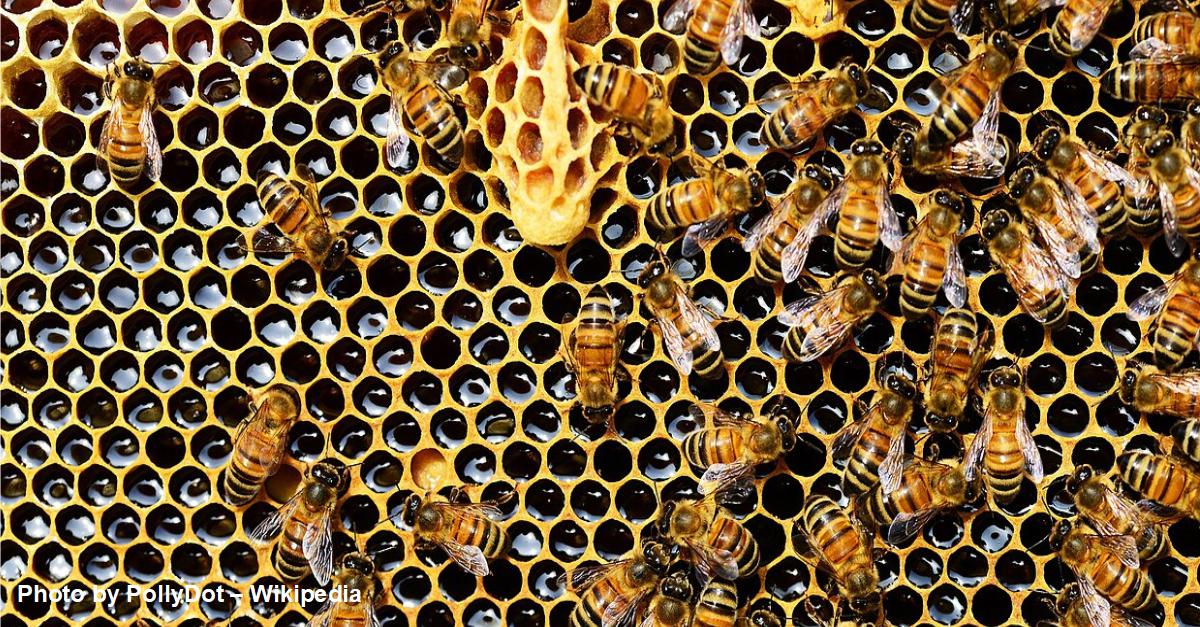
A study just published in the magazine Proceedings of the National Academy of Sciences shows that information encoding in the waggle dance is modulated by feedback from followers. If the
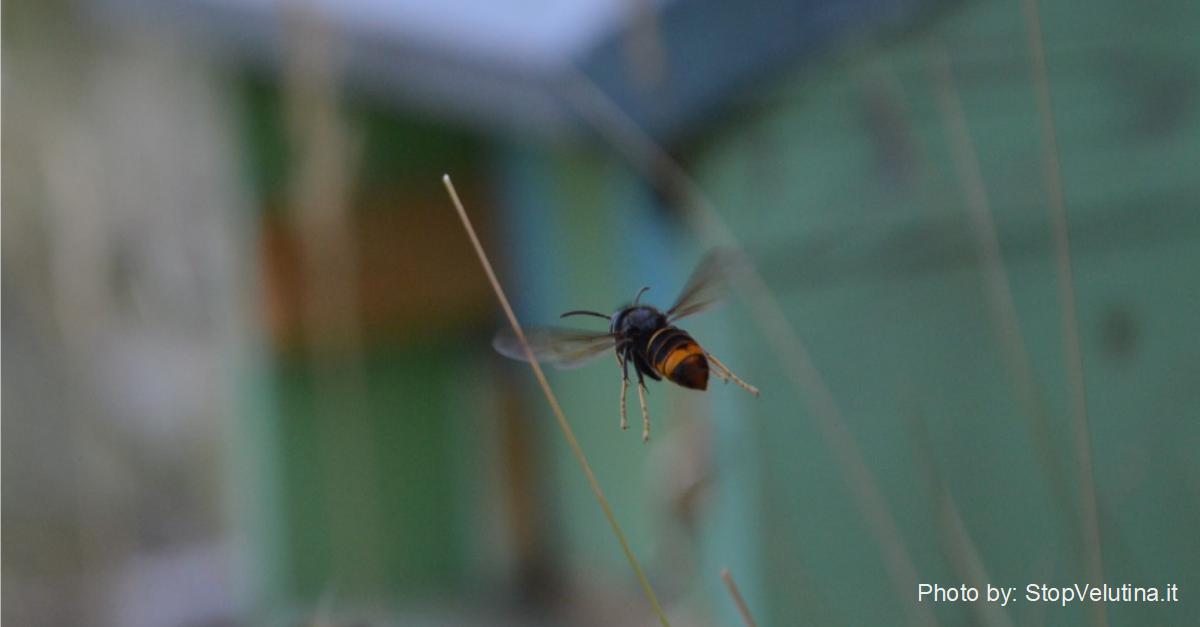
Vespa velutina does not feed only on honey bees that accounted for about 38% of the prey, while 30% were flies and 20% were social wasps and Hymenoptera, Coleoptera, Lepidoptera,