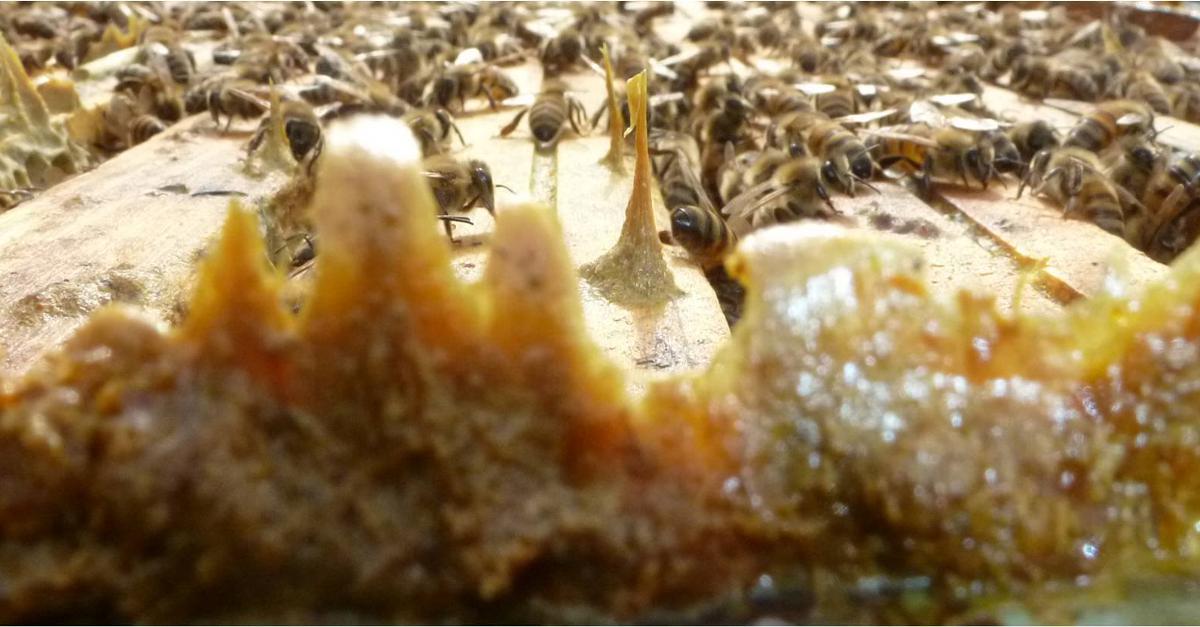
Propolis: Research, Uses, and Future Challenges for Apitherapy
Propolis has been used not only externally but also internally to treat a great variety of diseases due to its abundance of constituents. Propolis has been indicated for flu and
Propolis has been used not only externally but also internally to treat a great variety of diseases due to its abundance of constituents. Propolis has been indicated for flu and
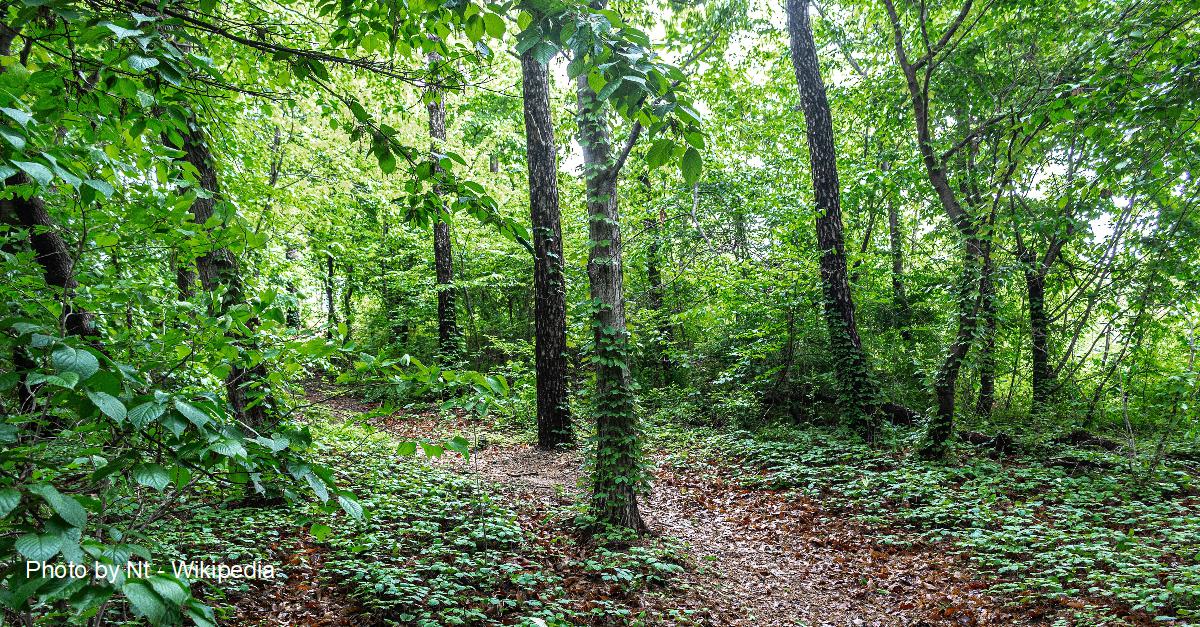
Researchers investigated how forest restoration conditions influence wild bee diversity in China.
The study analyzed 8,341 bee individuals representing 79 species of wild bees and assessed the effects of tree

Apimondia attended Apimell, the international trade fair dedicated to beekeeping, hive products, and equipment, held in Piacenza from 6 to 8 March 2026. The event brought together 130 exhibitors and

European beekeepers gathered at the Apimondia Congress 2025 in Copenhagen to discuss the key challenges and future perspectives of beekeeping in Europe. Roundtables highlighted issues such as pests and diseases,
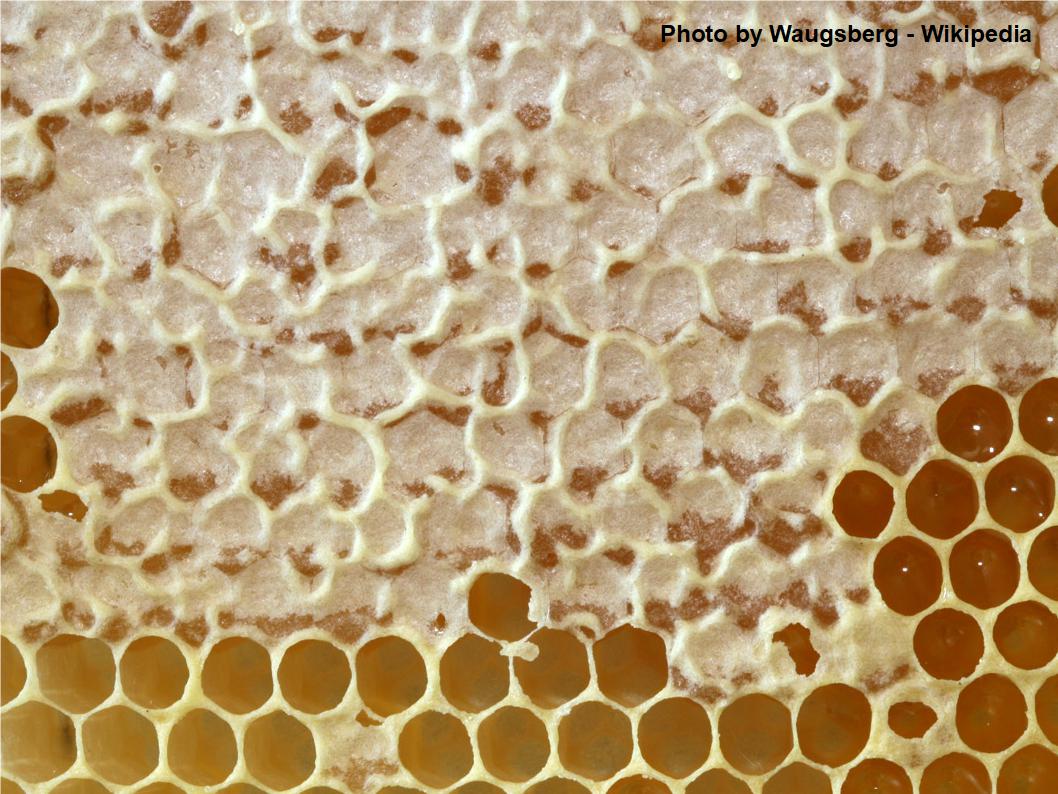
An Italian study, conducted by researchers from CREA and published in PLoS One, has shown that it is possible to detect the presence of at least eight pathogens by searching
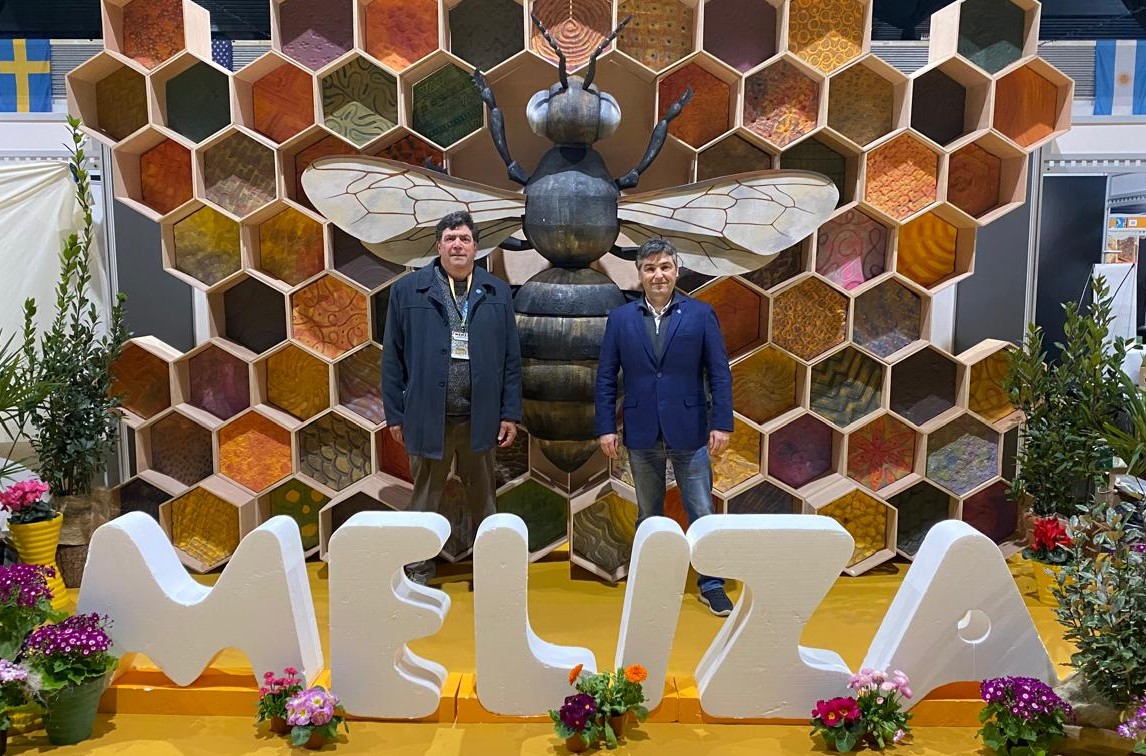
APIMONDIA EC members participated in the 7th MELIZA Beekeeping Fair in Zamora, Spain — a major event bringing together beekeepers, industry professionals, and the public, with over 170 stands and
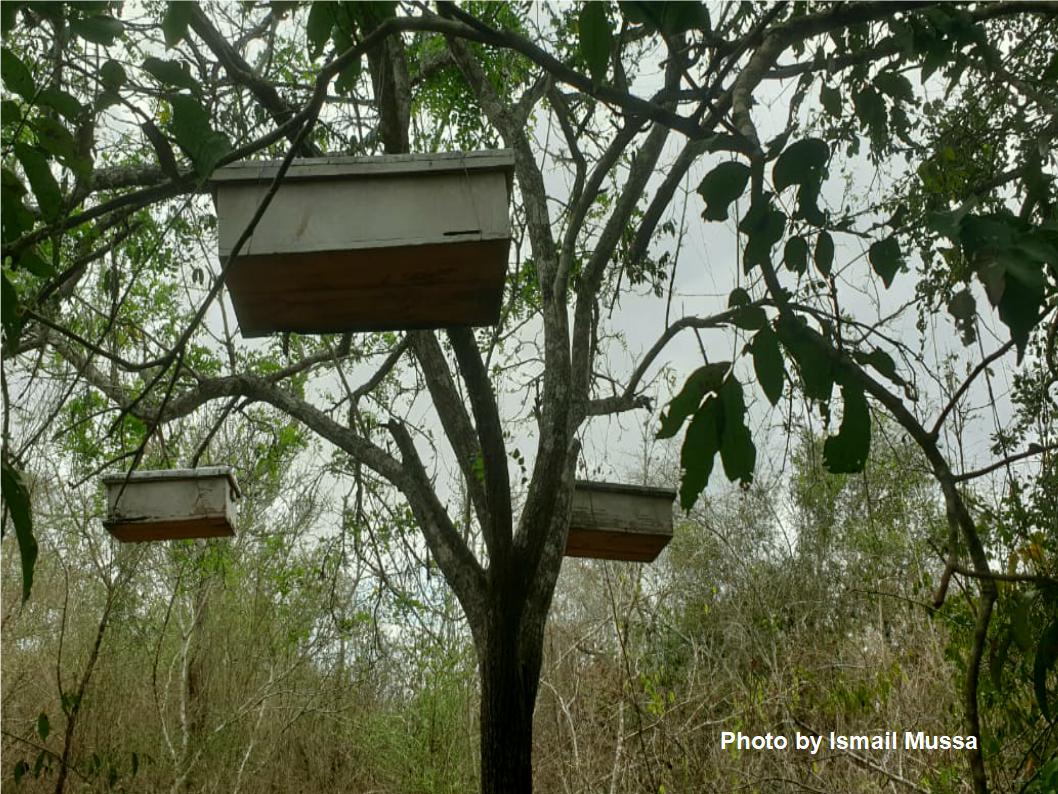
With 9.2 million honeybee colonies, beekeeping in Tanzania plays a crucial role, that makes the country the second-largest honey producer in Africa and tenth globally, with around 31.000 tonnes of

The 25th Brazilian Congress of Apiculture and the 11th Brazilian Congress of Meliponiculture, known as CONBRAPI 2026, will take place from May 13th to 16th in Florianópolis, Brazil.
The event
Dr. Fani Hatjina participated in a joint EU workshop organized by the VALOR project, together with the Butterfly, PollinERA and WildPosh projects.
The workshop focused on developing EU-level scenario narratives
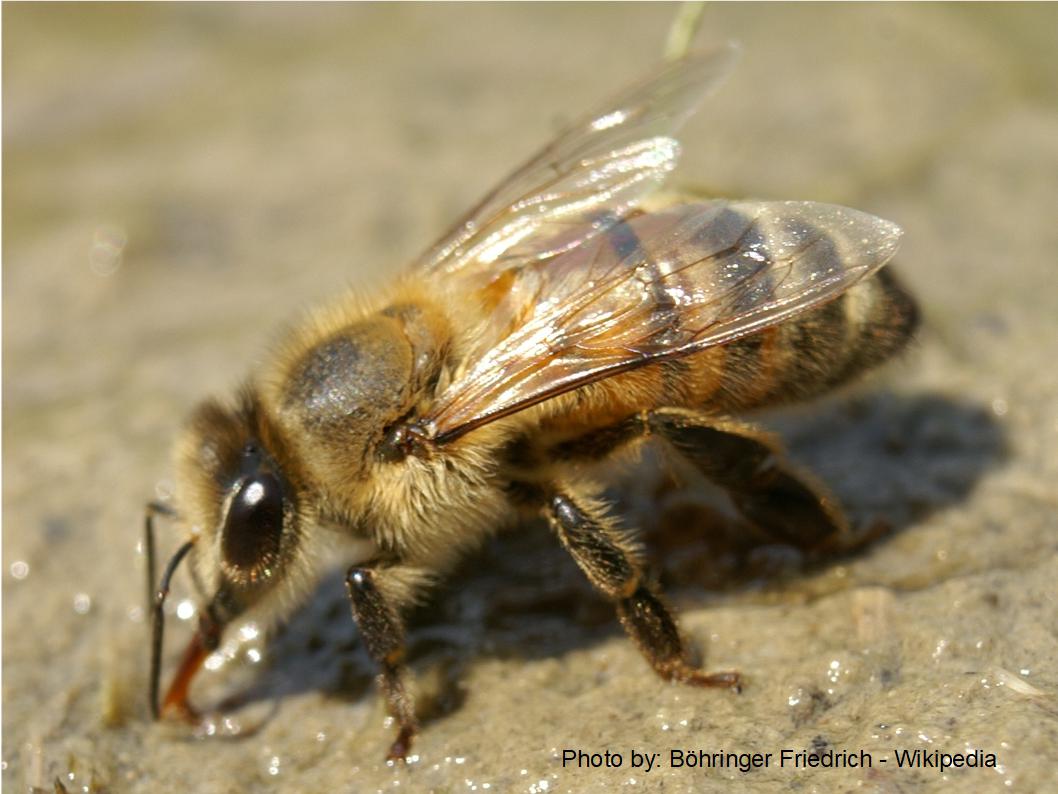
A recent U.S. study has pointed to another possible difference: the microbiome composition. Research conducted at the Welder Wildlife Refuge in South Texas compared bees unmanaged for at least 30