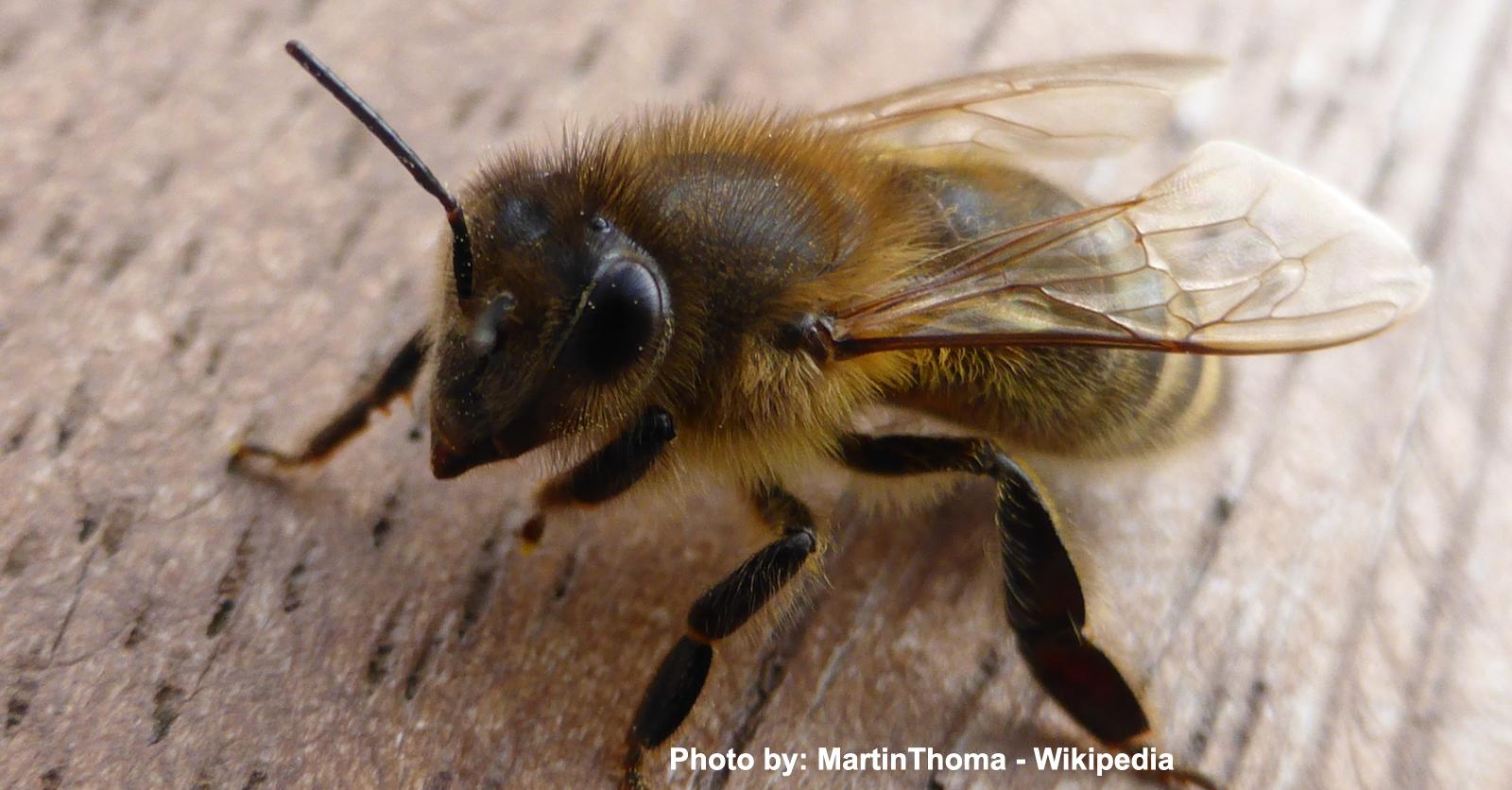
Glyphosate Alters Genes’ Expression in Honey Bees
A laboratory study conducted in Brazil, and published in the Journal of Apicultural Research, has analyzed the effect of glyphosate on genes expression in Africanizated honey bees.
Researchers feed

A laboratory study conducted in Brazil, and published in the Journal of Apicultural Research, has analyzed the effect of glyphosate on genes expression in Africanizated honey bees.
Researchers feed
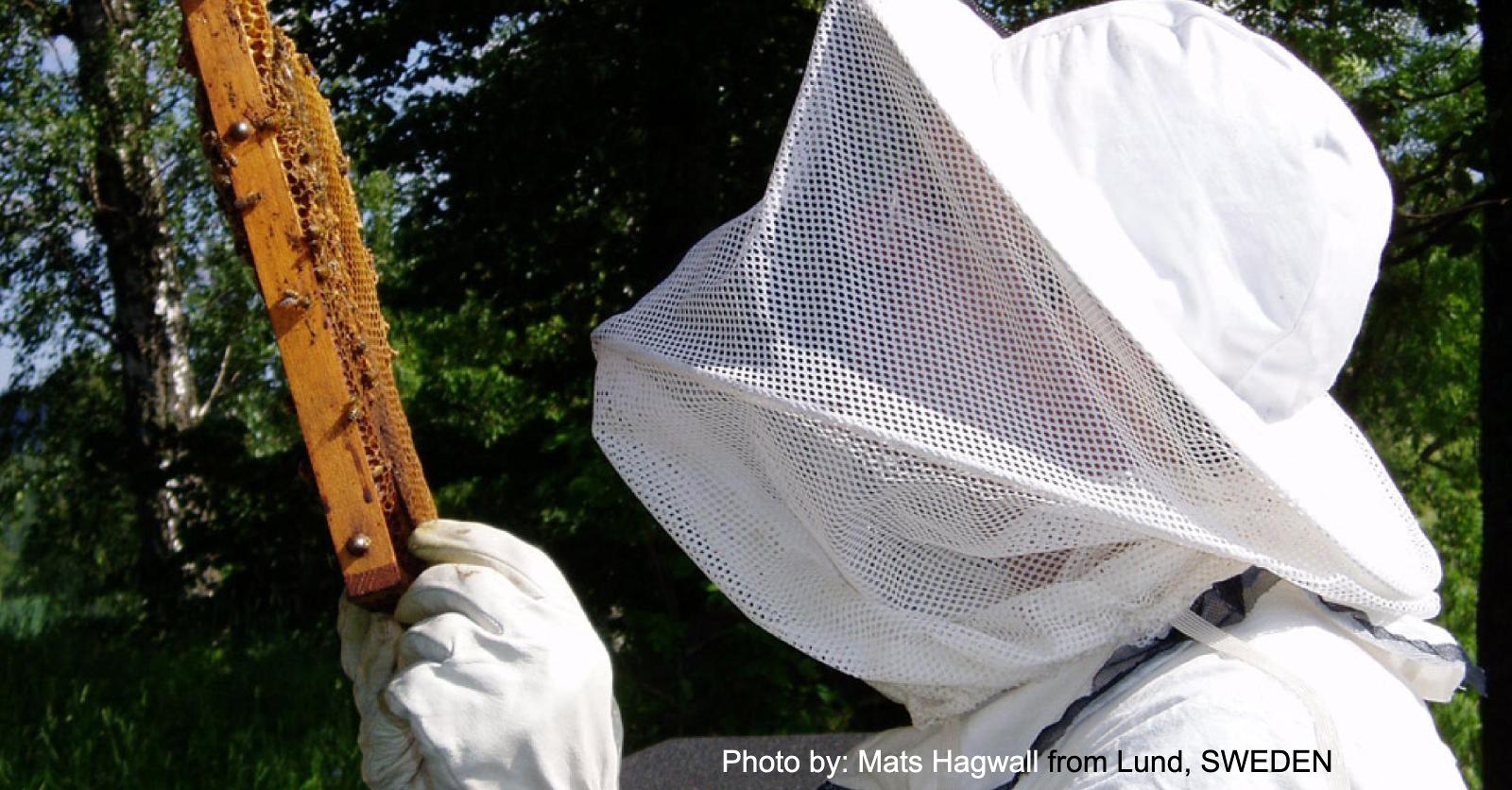
A recent survey carried out in US and published in Journal of the American Veterinary Medical Association examined the relationship between veterinarians and honey bess, highlighting the need for more
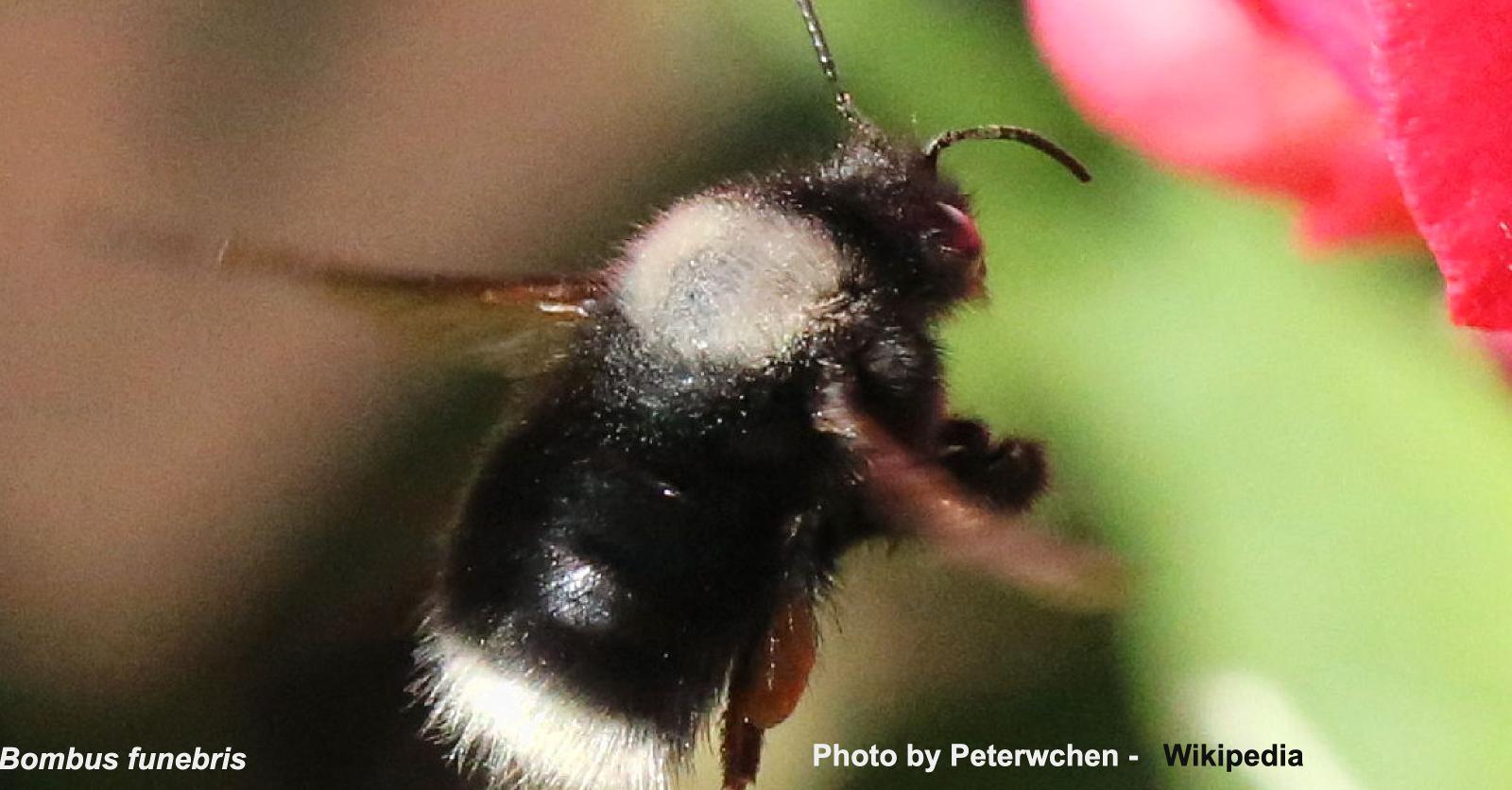
A scientific note published in Apidologie reports, for the first time, necrophagy and coprophagy in bumble bees in South America. In Ecuador, specimens of Bombus funebris have been observed foraging

From 2 to 7 Septembre will take place the Africa Bee Expo Algeria 2026, the international conference and exhibition dedicated to bees and beekeeping. The event will be held at

A recent study carried out in Türkiye and published in Science of Food, has assessed the presence of microplastics in different types of honey and has evaluated the potential of
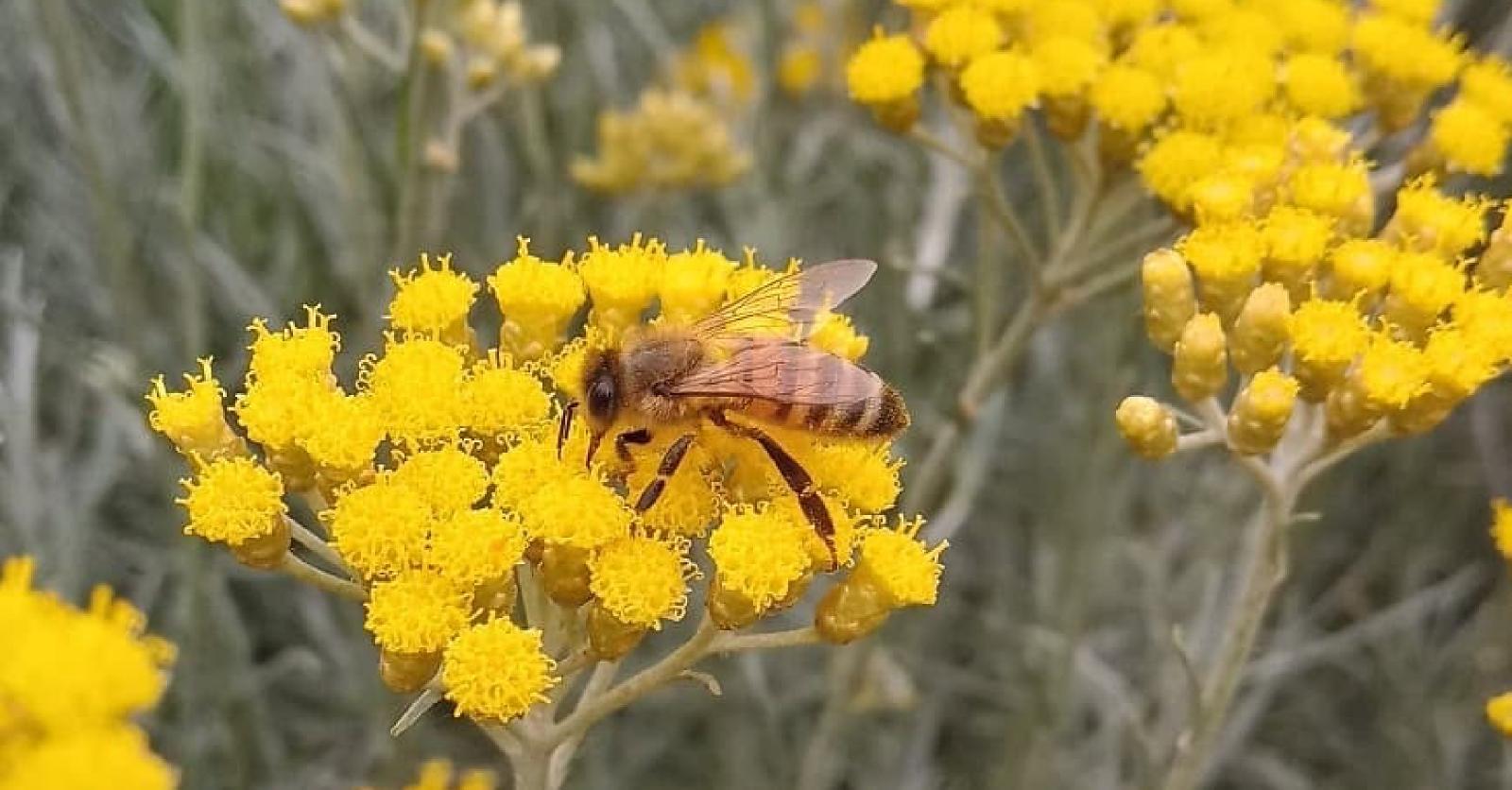
Beekeeping is already feeling the effects of climate change: nectar sources are drying up, and extreme weather events are destroying apiaries. Here we report the call of Dr. Sebastian Spiewok,

What about architecture and bee research? This time we are not talking about comb structures or the geometry of wax foundations, but about the new Honey Bee Research Centre (HBRC)
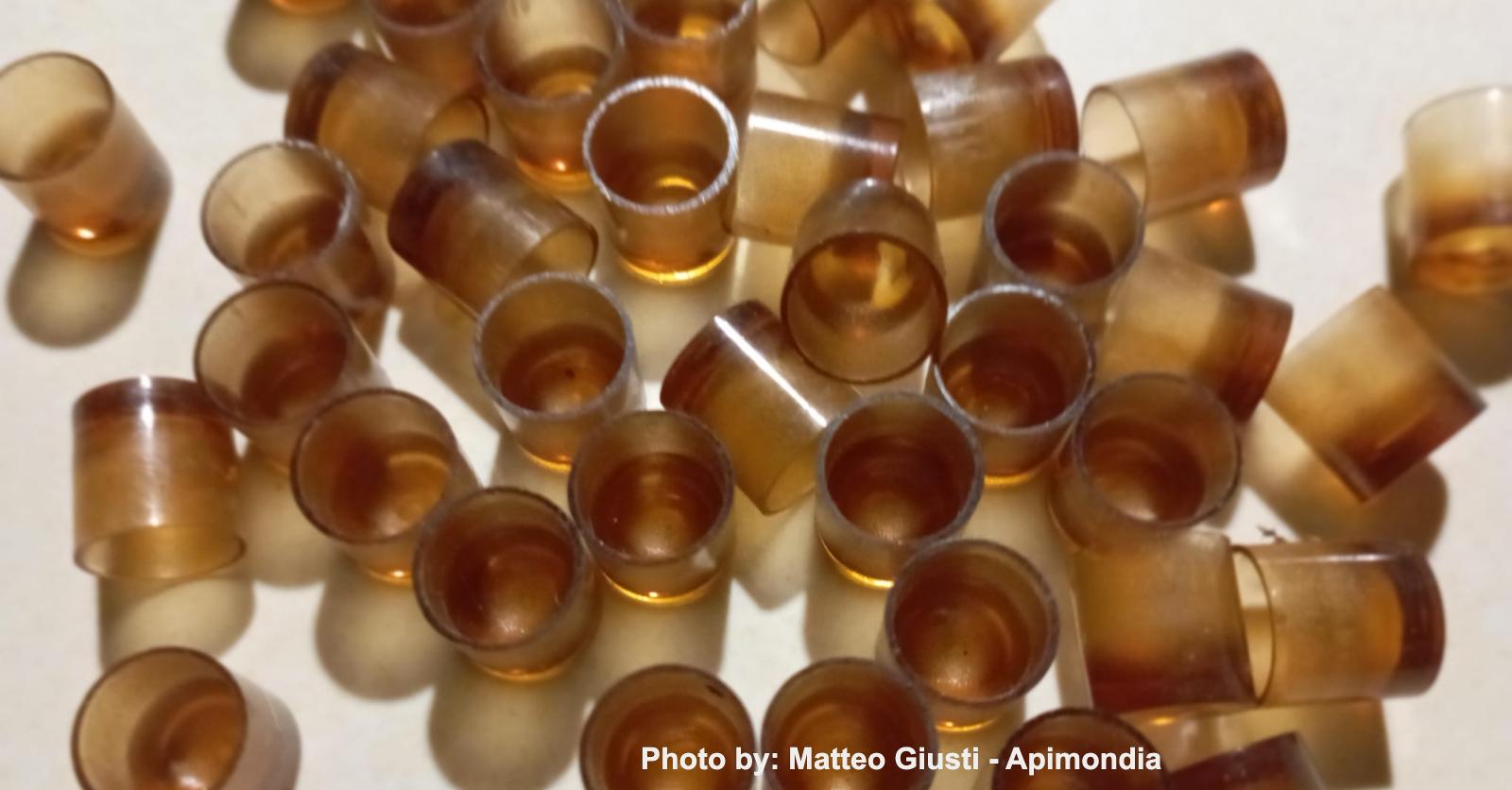
A recent study conducted in Nepal and published in Apidologie assessed the optimal size of cell cups for both rearing queen bees and producing royal jelly.Researchers compared cell cups with

A special Mass for beekeepers will take place in Rome, Italy, on Saturday, 12 December 2026, in the morning. The Mass will bring together beekeepers and friends of beekeeping for
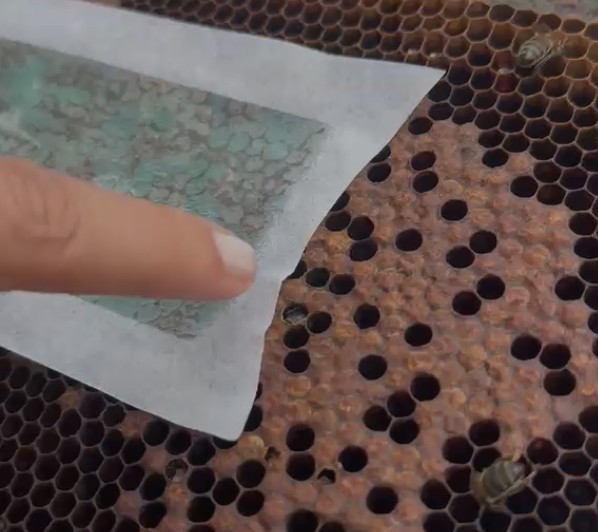
The reported detection of Tropilaelaps mercedesae in northeastern Türkiye raises serious concerns about its potential spread into Eastern Europe. Apimondia is calling for strengthened surveillance, early detection and rapid response,