Autor: Tanja Arih Korošec coordinador del grupo de trabajo Apimondia y api-turismo
En los últimos años, el turismo mundial se ha orientado hacia experiencias que ofrecen autenticidad, sostenibilidad, bienestar y conexión significativa con la naturaleza y las comunidades locales. En este contexto, Apiturismo y ApiBienestar se perfilan como conceptos innovadores que responden perfectamente a las expectativas de los viajeros modernos.
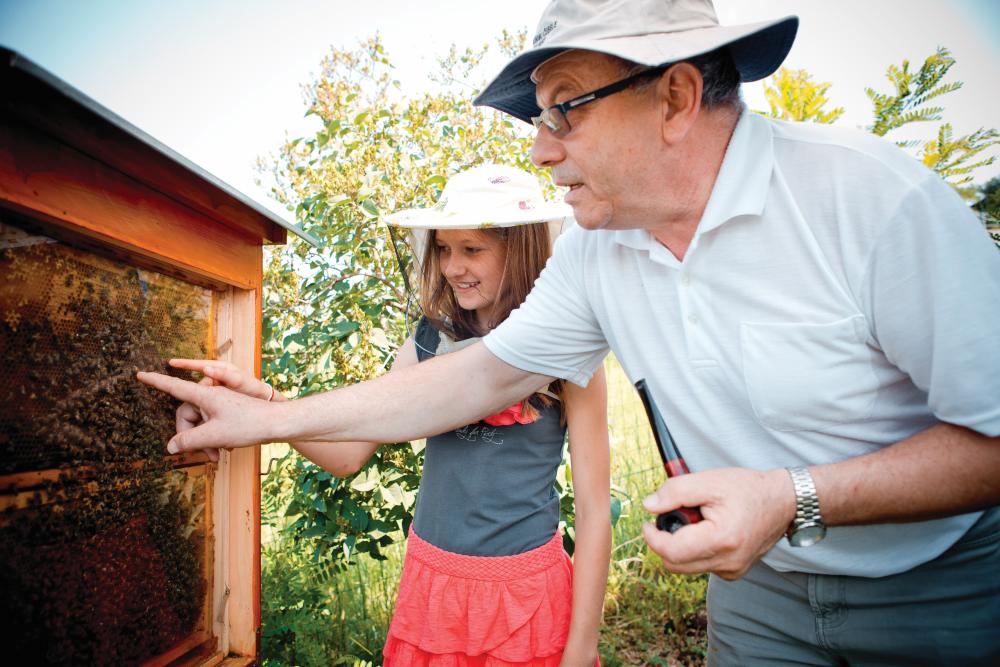
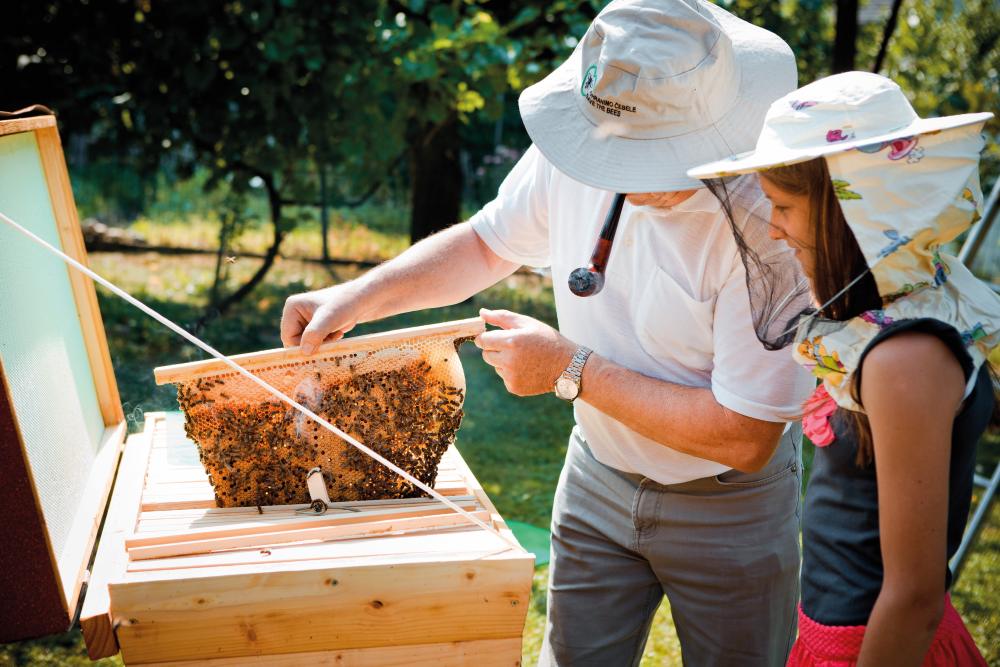
El apiturismo conecta a las personas, las abejas y la cultura a través de experiencias arraigadas en patrimonio apícola, protección de la biodiversidad y tradiciones rurales. Los visitantes pueden descubrir el fascinante mundo de las abejas conociendo a apicultores locales, visitando colmenares, degustando miel y otros productos apícolas y aprendiendo sobre el papel esencial que desempeñan los polinizadores en nuestros ecosistemas.
Eslovenia ha sido pionera en el desarrollo del apiturismo. Con su larga tradición apícola y la famosa Abeja carniola, En Eslovenia, el país ha construido con éxito un modelo que combina turismo, educación, cultura y sostenibilidad. En Eslovenia, la apicultura se describe a menudo como “una forma de vida”.” y esta filosofía constituye la base de las experiencias de Apiturismo.
Junto al apiturismo, ApiBienestar introduce una nueva dimensión en el turismo de bienestar. Se basa en el entorno curativo de las abejas e incluye experiencias como la relajación en colmenares, el masaje con miel, la apiterapia, la meditación con el sonido de las abejas y otras prácticas de bienestar basadas en la naturaleza. Estas experiencias ayudan a reducir el estrés, mejorar la salud mental y reconectar a las personas con la naturaleza.
El apiturismo y ApiWellbeing también aportan importantes beneficios a comunidades rurales. Crean oportunidades de ingresos adicionales para los apicultores, fomentan el espíritu empresarial de jóvenes y mujeres, apoyan la producción local de alimentos y contribuyen a preservar los conocimientos tradicionales y el patrimonio cultural.
Conectando protección de la biodiversidad, turismo y bienestar humano, Apitourism y ApiWellbeing representan una dirección prometedora para el futuro del turismo, que beneficia tanto a las personas como al planeta y pone de relieve la extraordinaria importancia de las abejas en nuestras vidas.