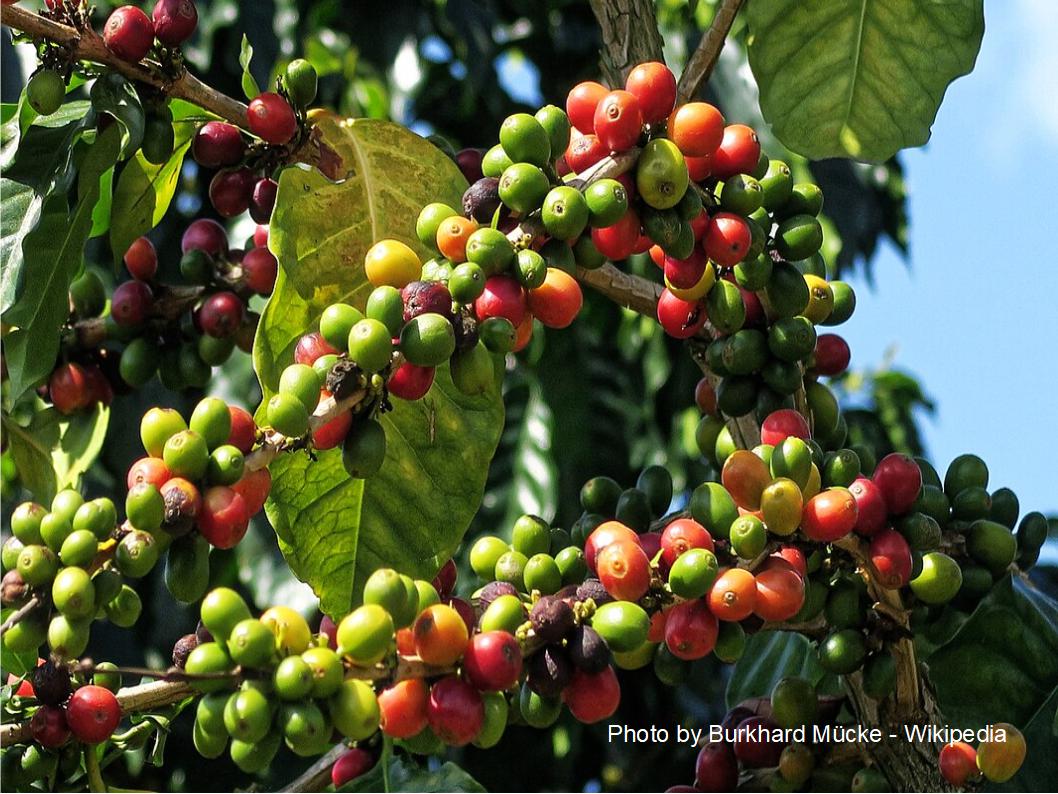
Do you know what is the relationship between coffee and bees? It’s the pollination. Recent researches highlight the growing importance of pollinators and technology in improving coffee production worldwide. A study in Ethiopia (Jilo et al., 2025) on Coffea arabica shows that pollinators, especially honey bees, significantly increase fruit set and seed yield, even though the plant can self-pollinate. In experimental plots, coffee plants pollinated by honey bees produced up to 70% more seeds than those without insect pollination, confirming the economic value of integrating bee colonies into coffee farms.
Similarly, research in Brazil (Dias Ramos et al., 2026) found that supplemental pollination by stingless bees increased coffee yield by 67% in branches located near managed colonies. The study also examined the impact of pesticide exposure, detecting low residues in the flowers but no major negative effects on colony development under the tested conditions.
At the same time, scientists are turning to artificial intelligence to better understand pollinator genetics and population trends (Priyambodo et al., 2026). A global analysis of research published between 2003 and 2023 shows rapid growth in this field after 2015, suggesting that AI could play a key role in supporting sustainable coffee production in the future.