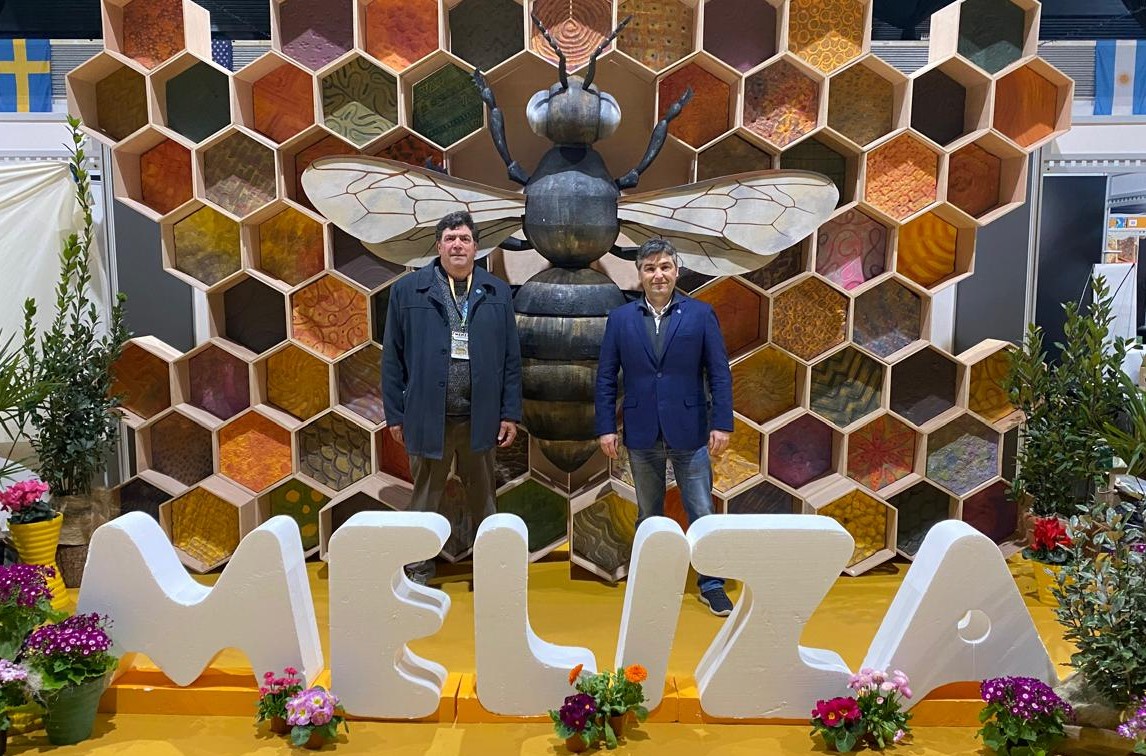
What about Tanzanian beekeeping? Protagonist at the ApiExpo at the 49th Congress of Apimondia in Copenhagen, a new scientific paper shows the status of the sector (Mussa et. al., 2026).
With 9.2 million honeybee colonies, beekeeping in Tanzania plays a crucial role, that makes the country the second-largest honey producer in Africa and tenth globally, with around 31.000 tonnes of honey and 1.800 tonnes of beeswax annually, contributing about 1 % to GDP.
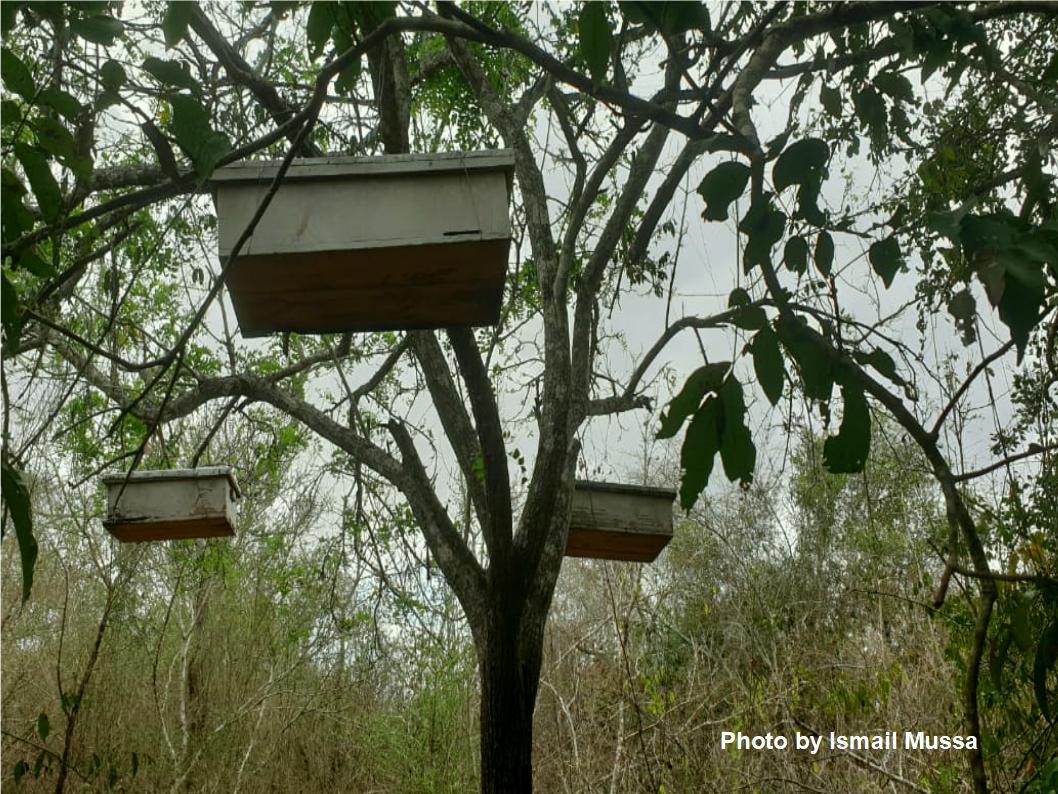
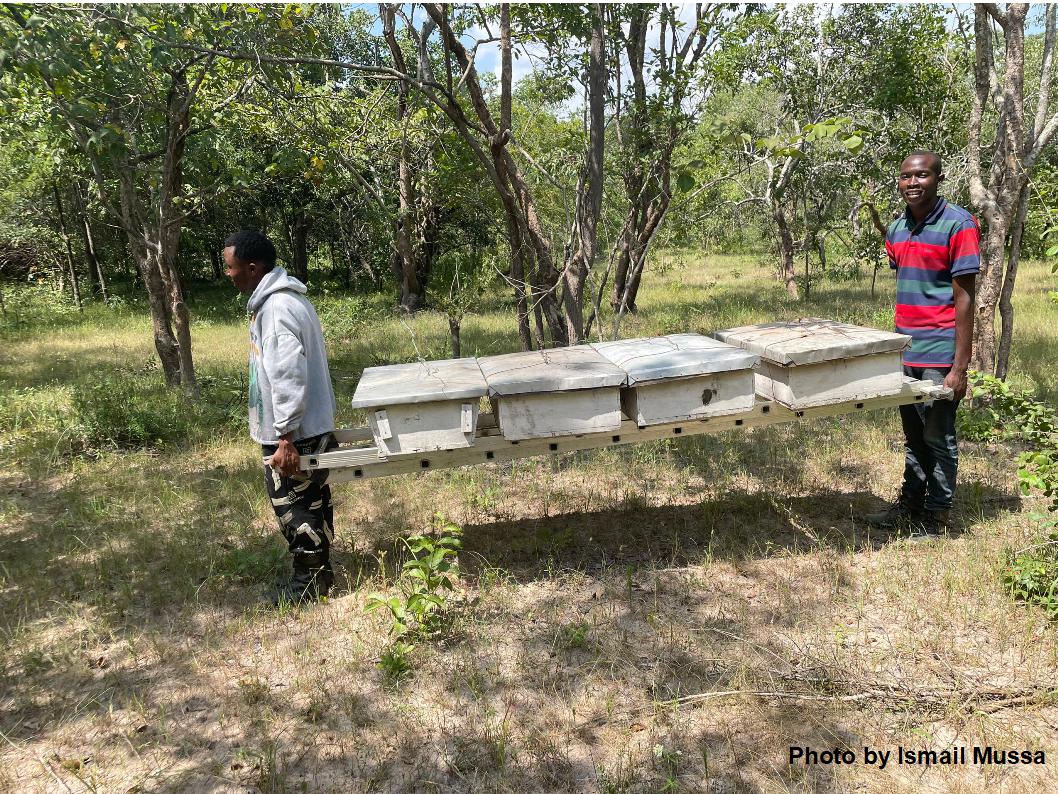
Despite its promise for rural development, food security, and biodiversity conservation, the beekeeping industry faces persistent constraints: heavy reliance on traditional hives and methods, limited technical know-how, poor integration of modern technologies, policy gaps, weak governance, and environmental pressures such as deforestation, habitat loss, pests, and pesticide exposure.
Looking ahead, researchers call for strengthened policy frameworks, scientific research, technology adaptation suited to local bee ecology, capacity building, and better market access. These interventions could unlock unused production potential, improve bee health, broaden the range of bee products, and position beekeeping as a cornerstone of sustainable rural growth.
Read the scientific paper full text here.