Digital measurements of hypopharyngeal glands’ size of honey bees is a robust method to be used in pesticide risk assessment.
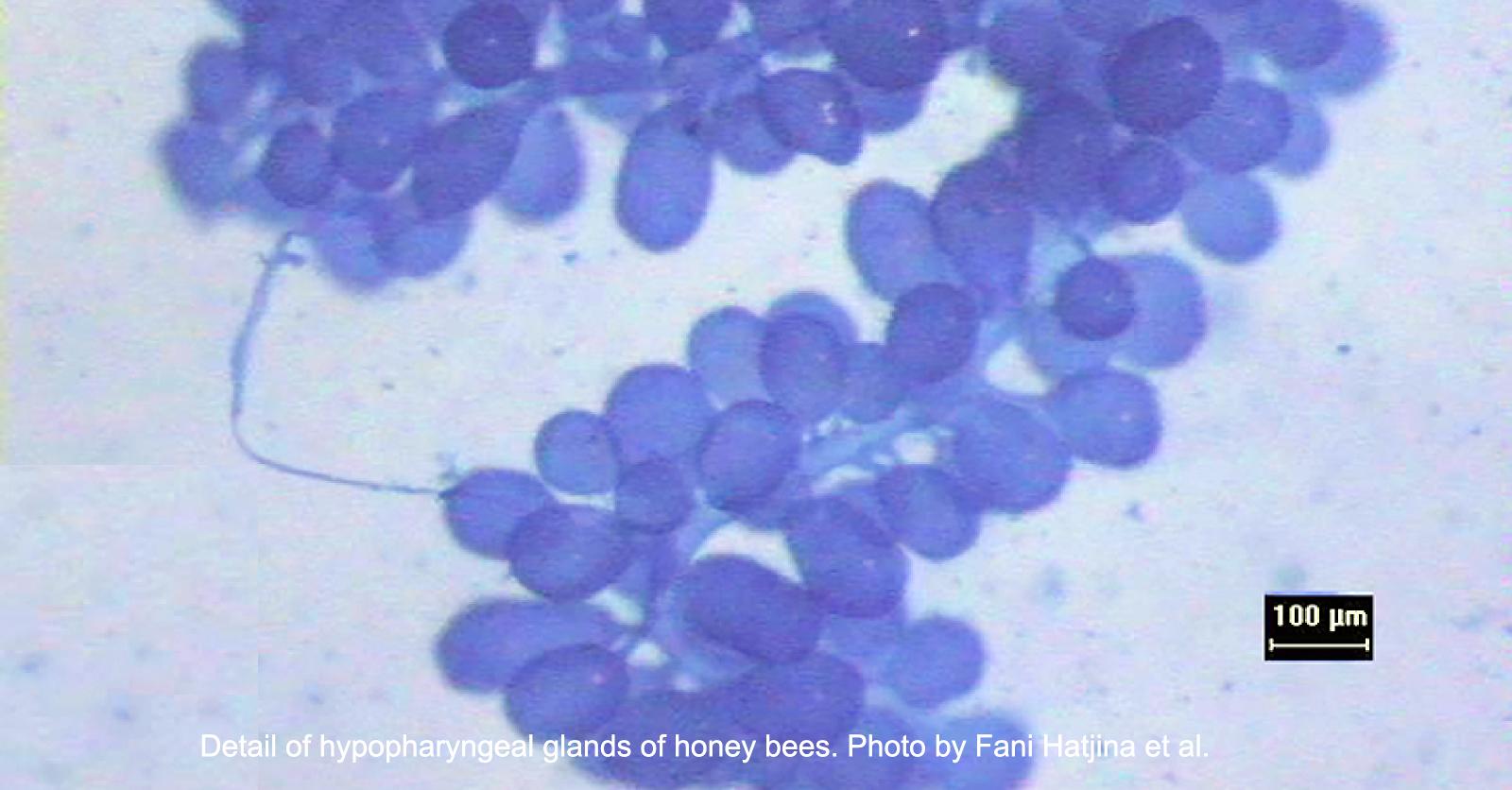
A new study published in the Journal of Apicultural Research confirms once more that even low levels of the imidacloprid can affect the development of hypopharyngeal glands (HPGs) in honey bees, both in laboratory and in field experiments. These glands – that produce royal jelly – are a robust indicator of developmental/physiological failure due to pesticide exposure.
In addition the researchers tested a digital method for measuring the size of hypopharyngeal glands, confirming the method’s accuracy in laboratory and in field tests. These results show that the measurement of HPG’s size in the laboratory can be used as a proxy for field studies. The authors propose this methodology to be used in future pesticide risk assessment works.
Go to the full text here.