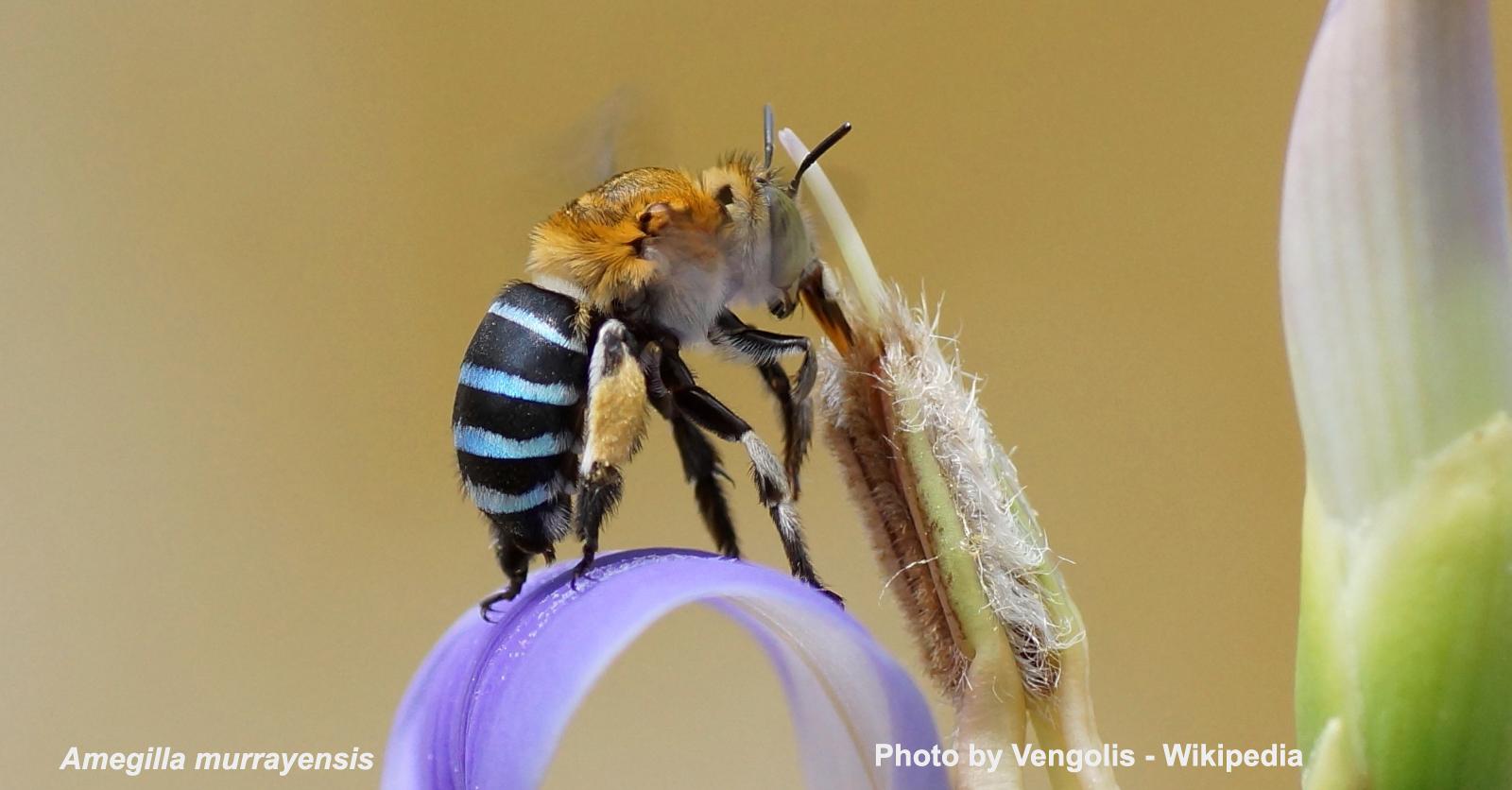
Amegilla, Small Eyes but Great Vision
A new study published in PNAS has compared the vision of four bees’ species with honey bees. The research focused on the retinal physiology of Bombus terrestris, Anthophora quadrimaculata, Anthidium
A new study published in PNAS has compared the vision of four bees’ species with honey bees. The research focused on the retinal physiology of Bombus terrestris, Anthophora quadrimaculata, Anthidium
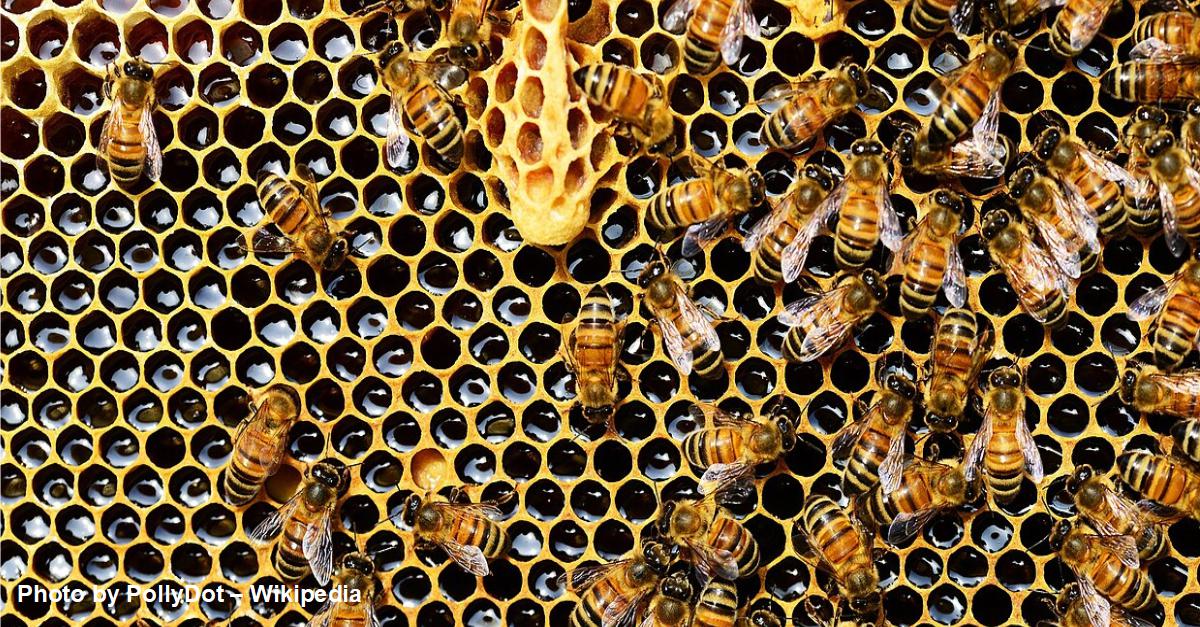
The Hungarian National Beekeepers’ Association OMME has sent a letter to Bóna Szabolcs, Minister of Agriculture and Food Economy, drawing attention to the exceptional situation caused by the extreme weather
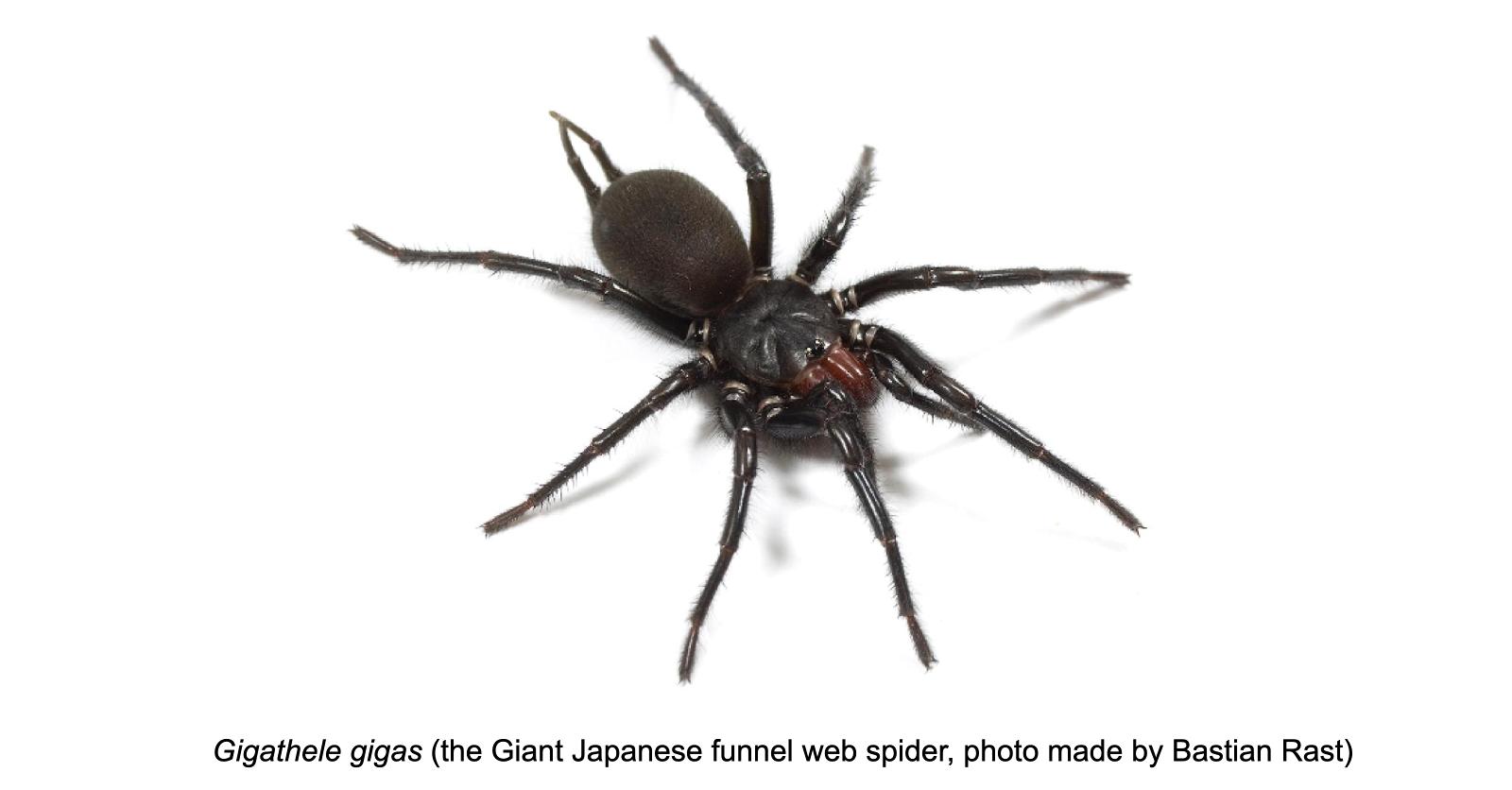
A new research program supported by Queensland Government, Australia, is focused to examine the efficacy of spider venom against varroa mite. We have interviewed Volker Herzig, from the University of
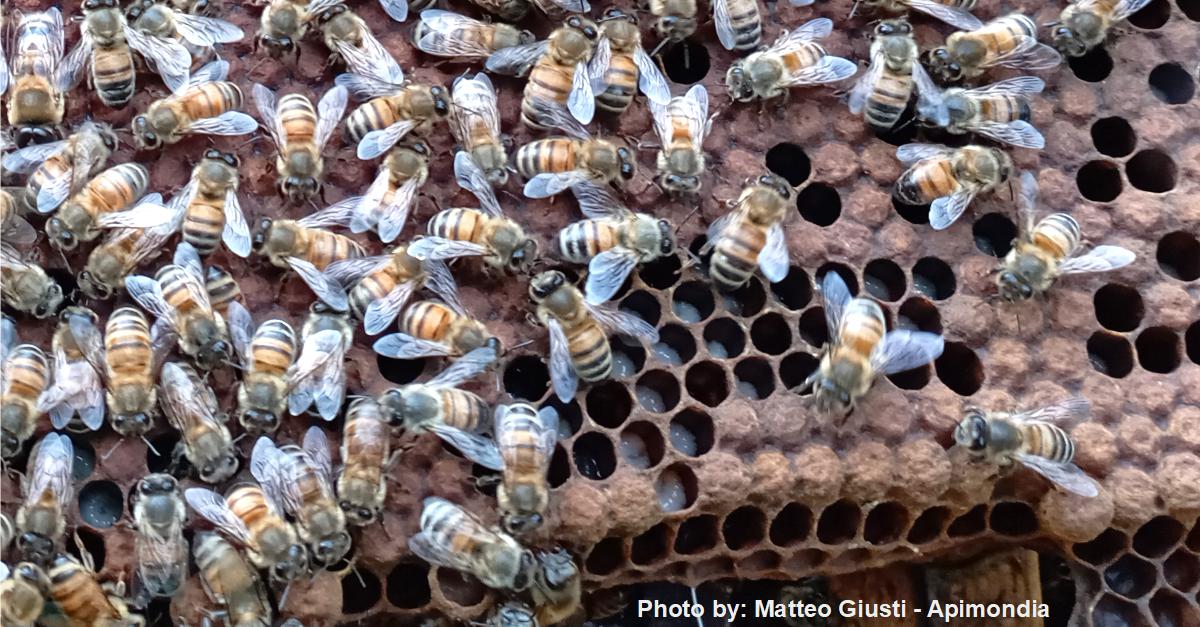
A recent study published in Apidologie examined the effects of an infusion prepared from the aerial parts of wormwood (Artemisia absinthium) and the buds of Scots pine (Pinus sylvestris) on
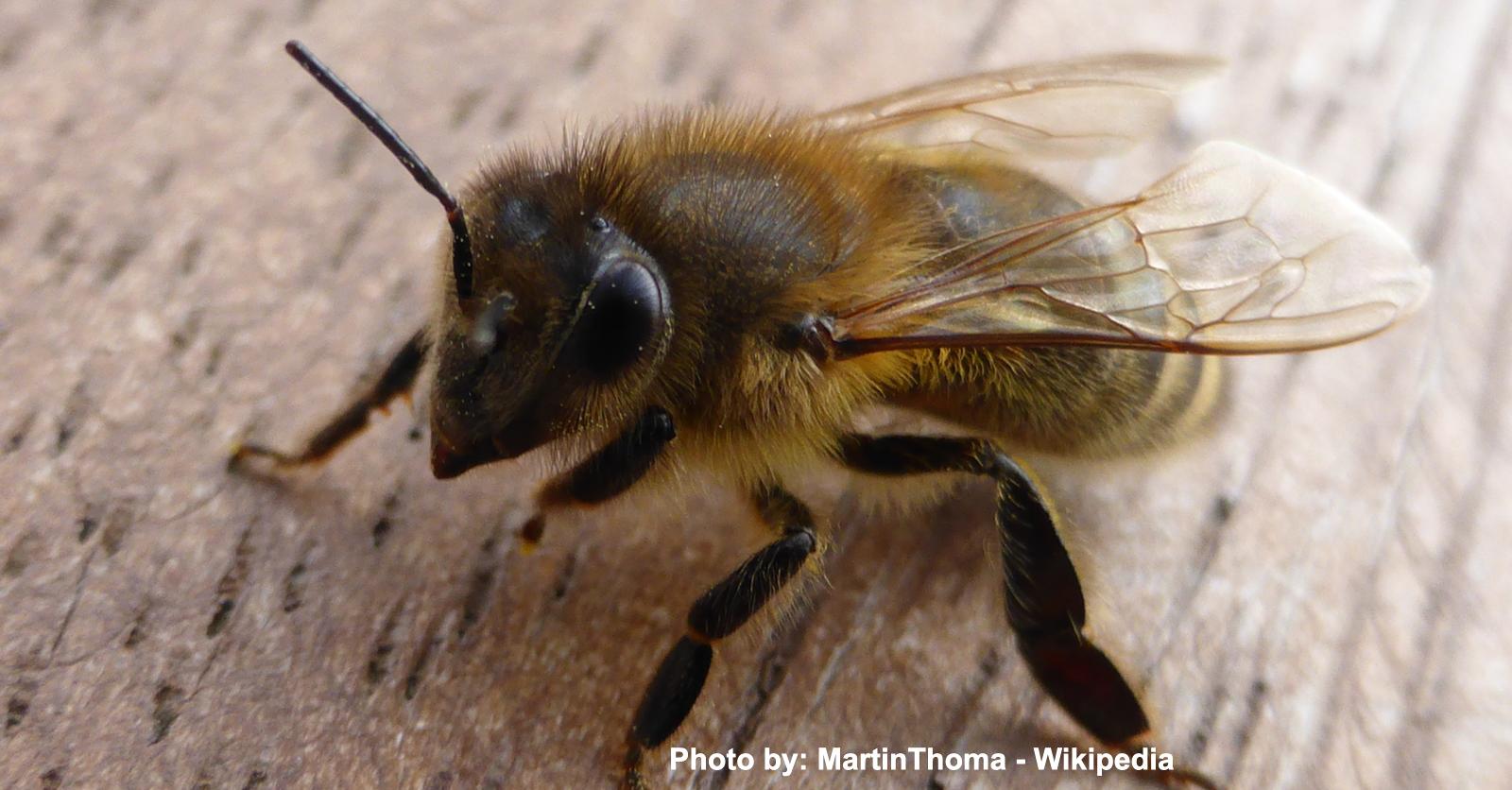
A laboratory study conducted in Brazil, and published in the Journal of Apicultural Research, has analyzed the effect of glyphosate on genes expression in Africanizated honey bees.
Researchers feed
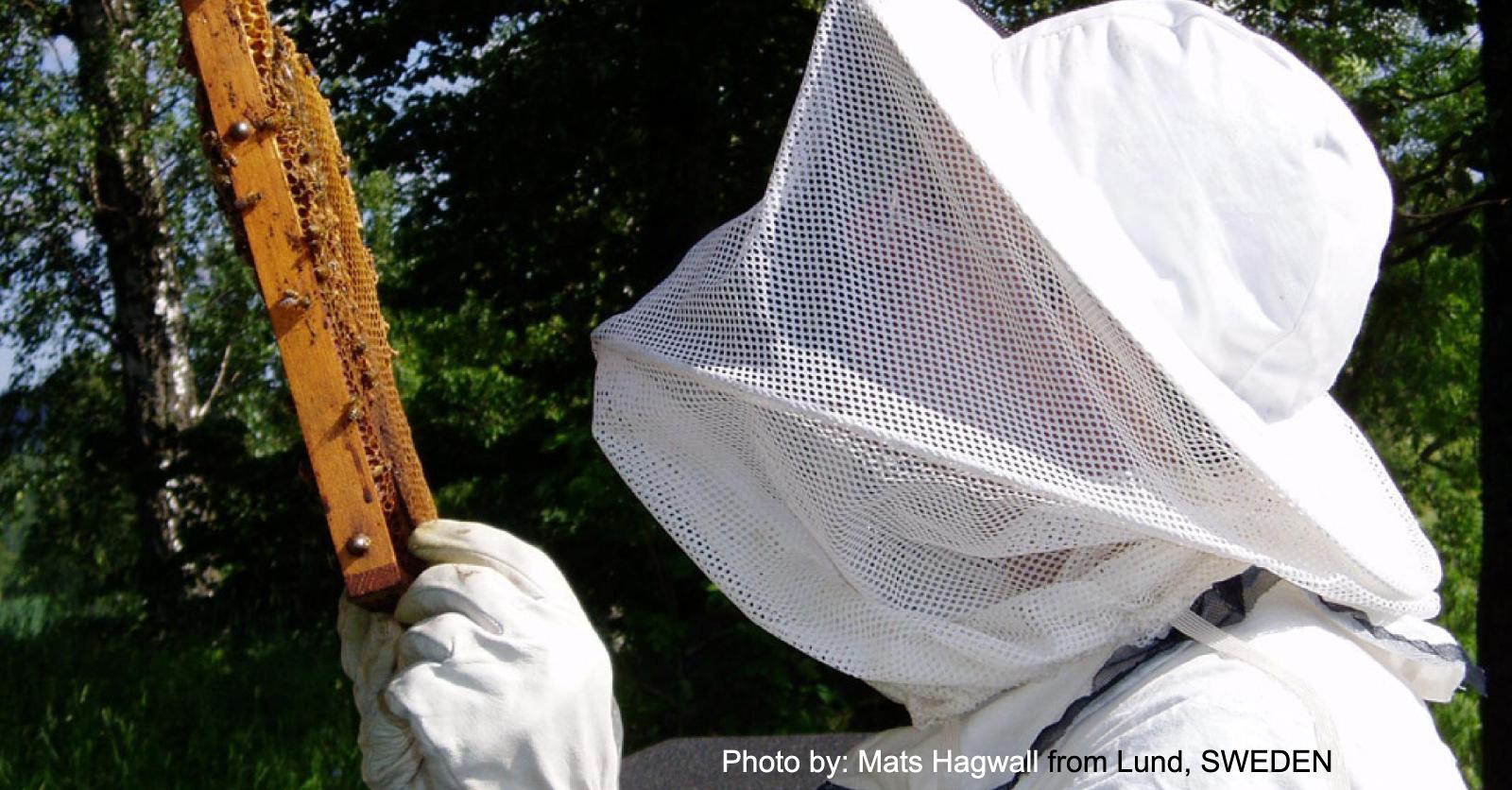
A recent survey carried out in US and published in Journal of the American Veterinary Medical Association examined the relationship between veterinarians and honey bess, highlighting the need for more
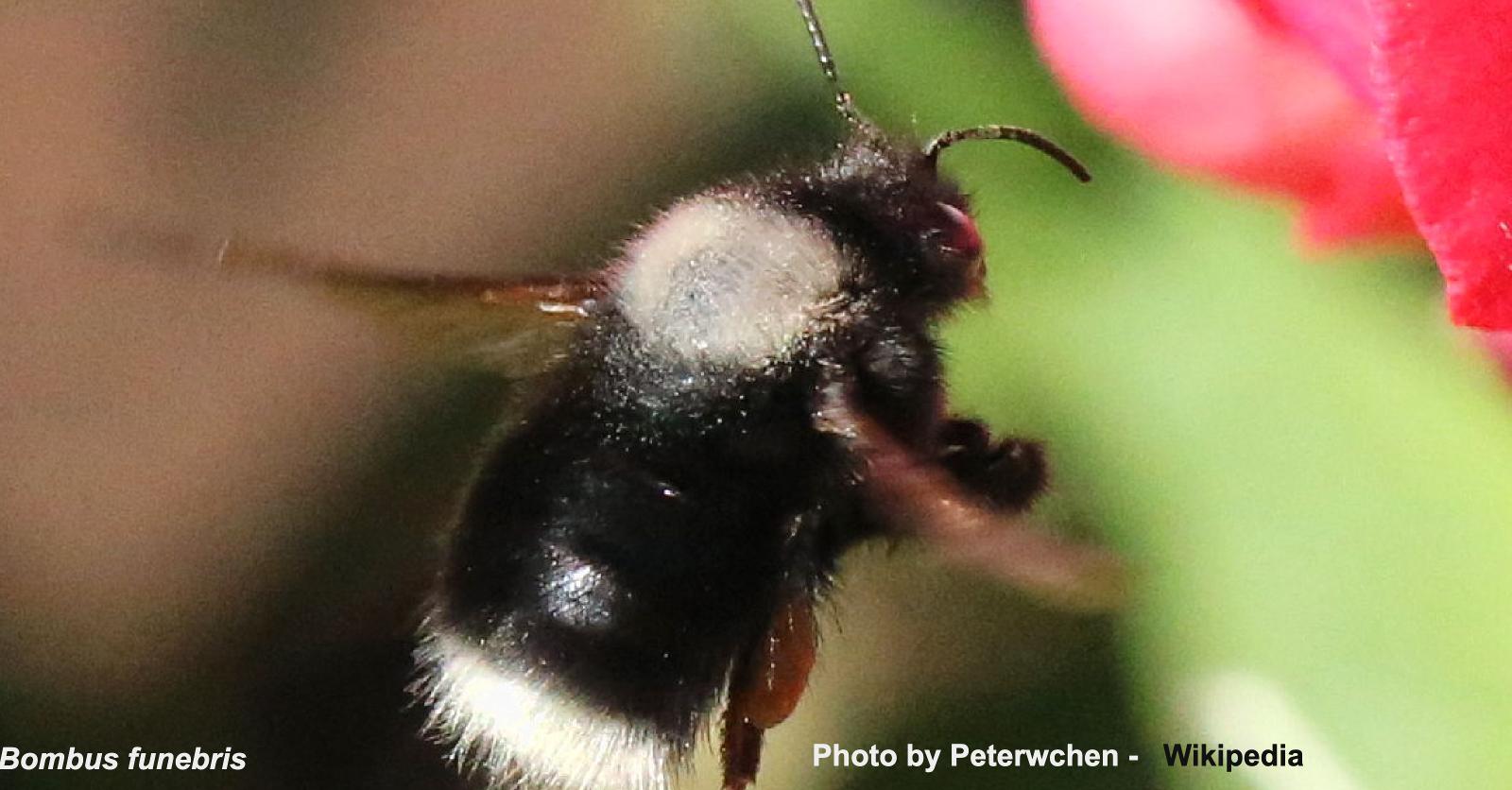
A scientific note published in Apidologie reports, for the first time, necrophagy and coprophagy in bumble bees in South America. In Ecuador, specimens of Bombus funebris have been observed foraging

From 2 to 7 Septembre will take place the Africa Bee Expo Algeria 2026, the international conference and exhibition dedicated to bees and beekeeping. The event will be held at
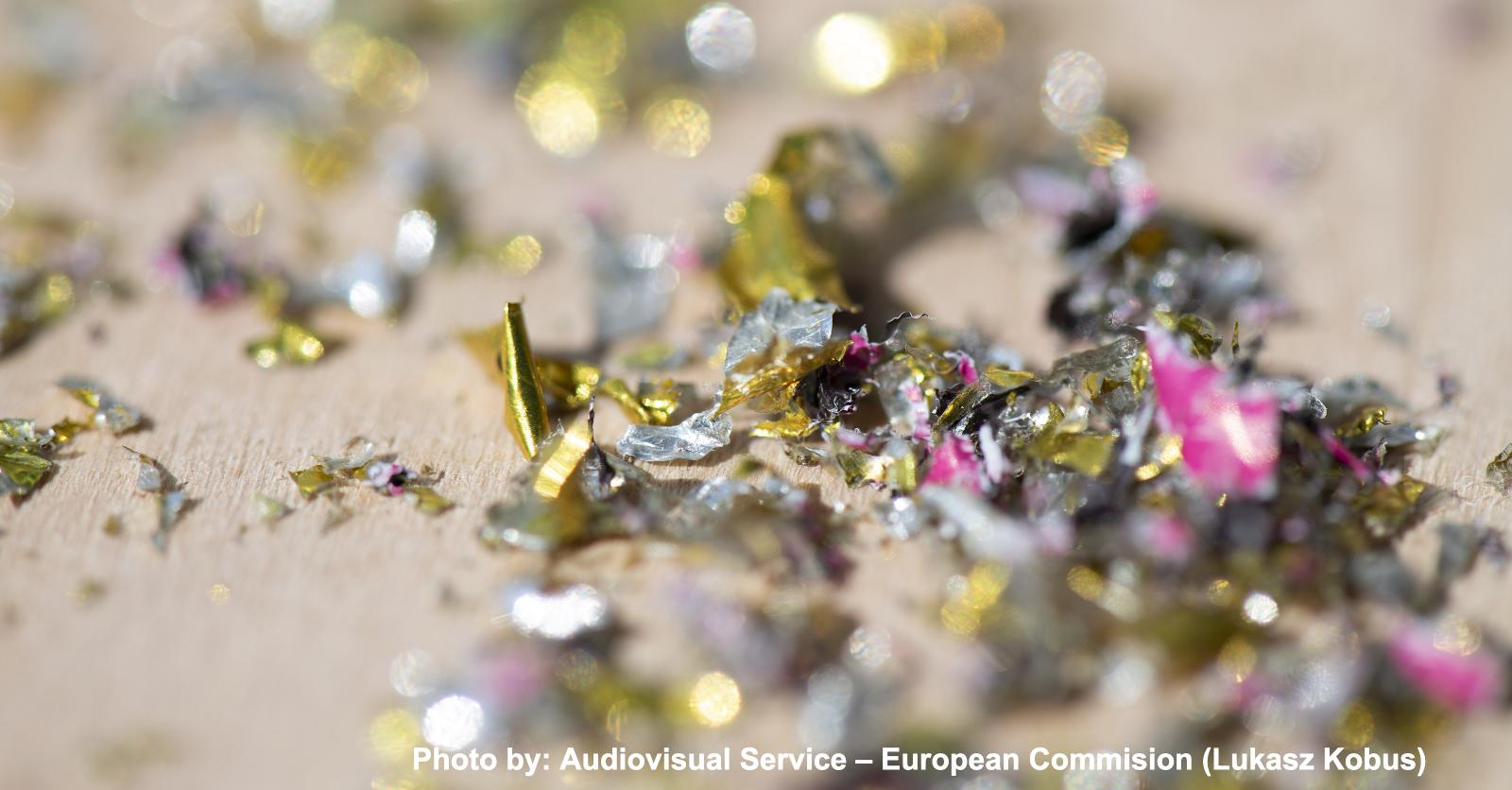
A recent study carried out in Türkiye and published in Science of Food, has assessed the presence of microplastics in different types of honey and has evaluated the potential of
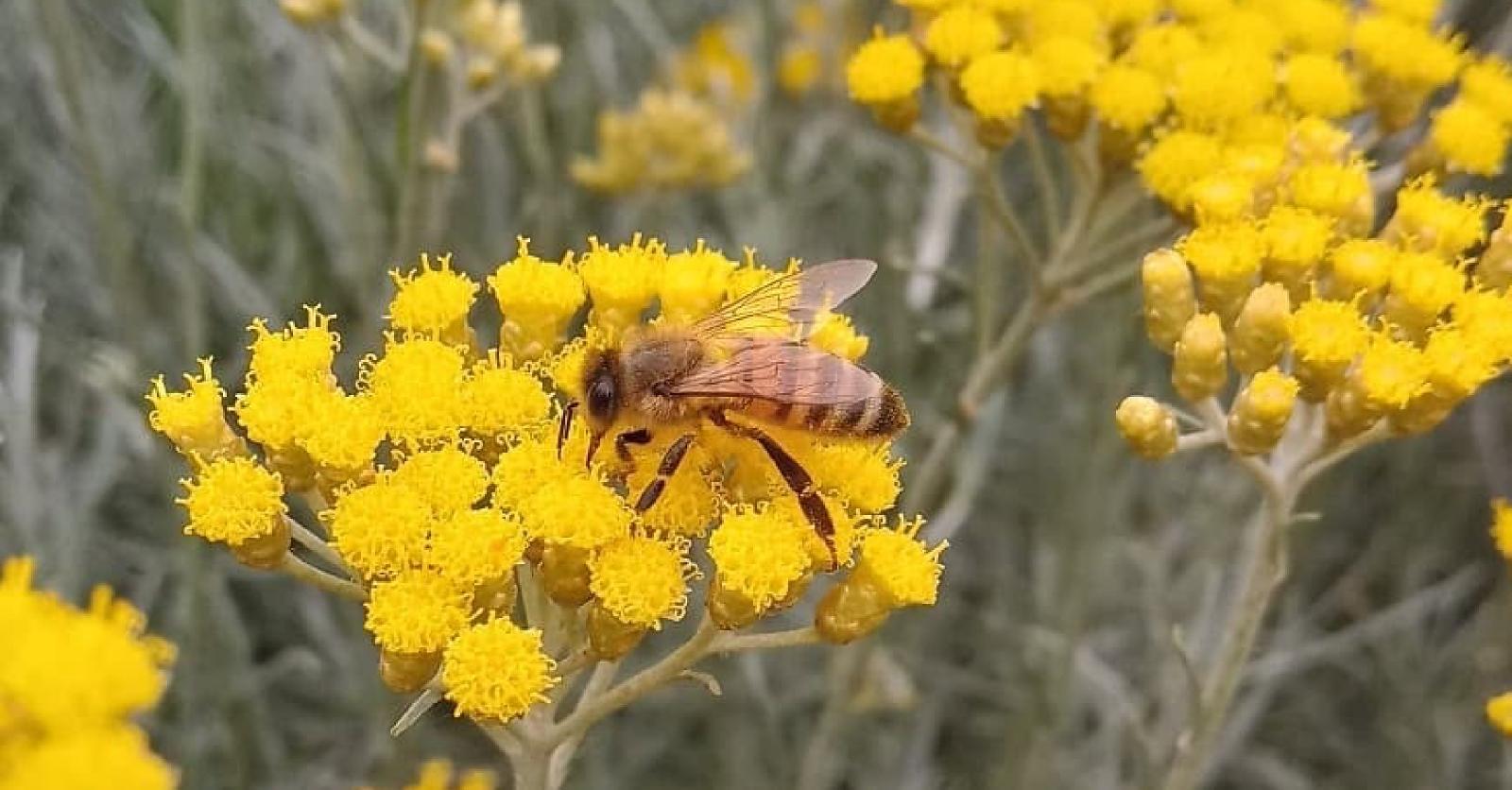
Beekeeping is already feeling the effects of climate change: nectar sources are drying up, and extreme weather events are destroying apiaries. Here we report the call of Dr. Sebastian Spiewok,