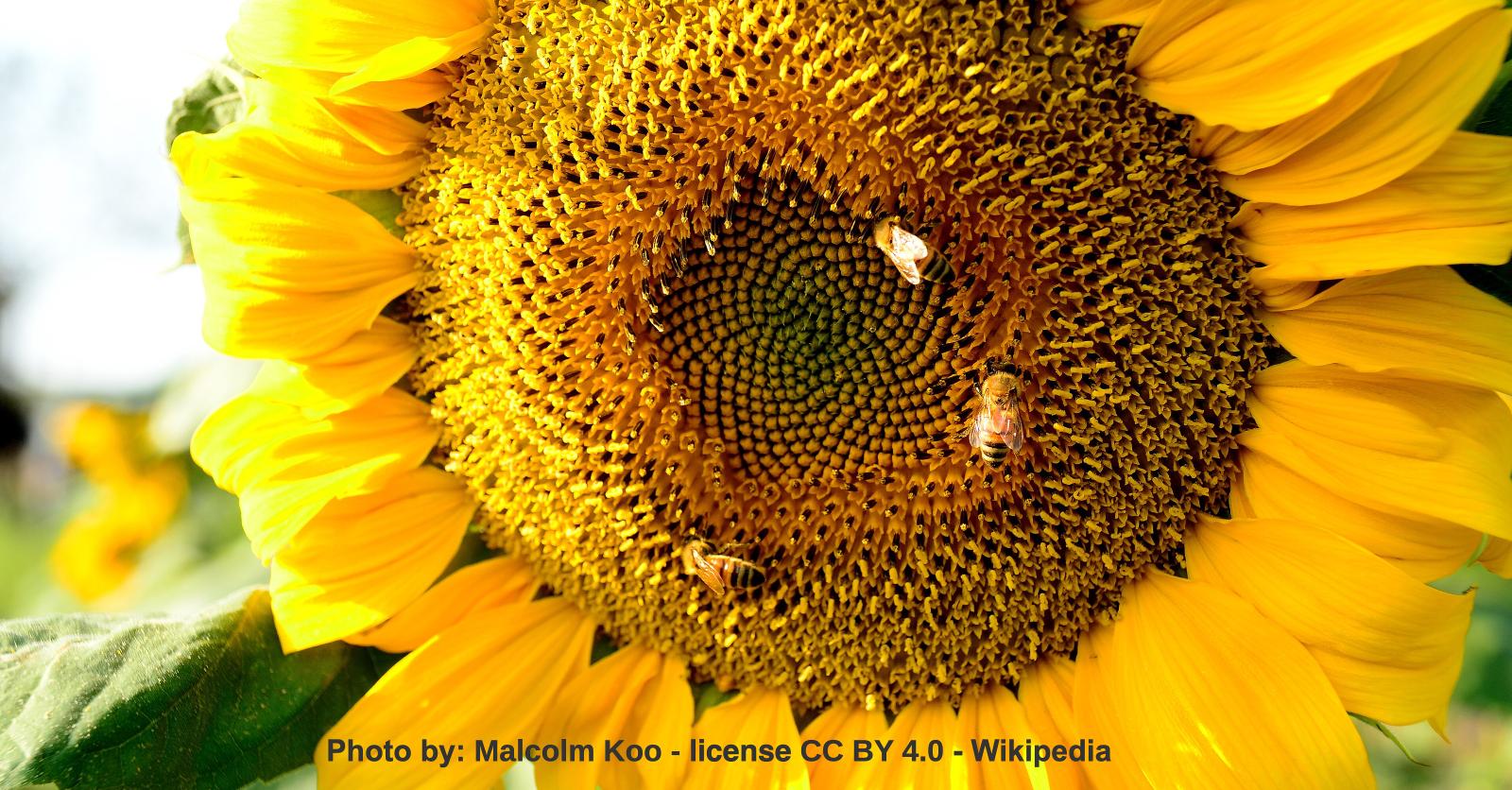
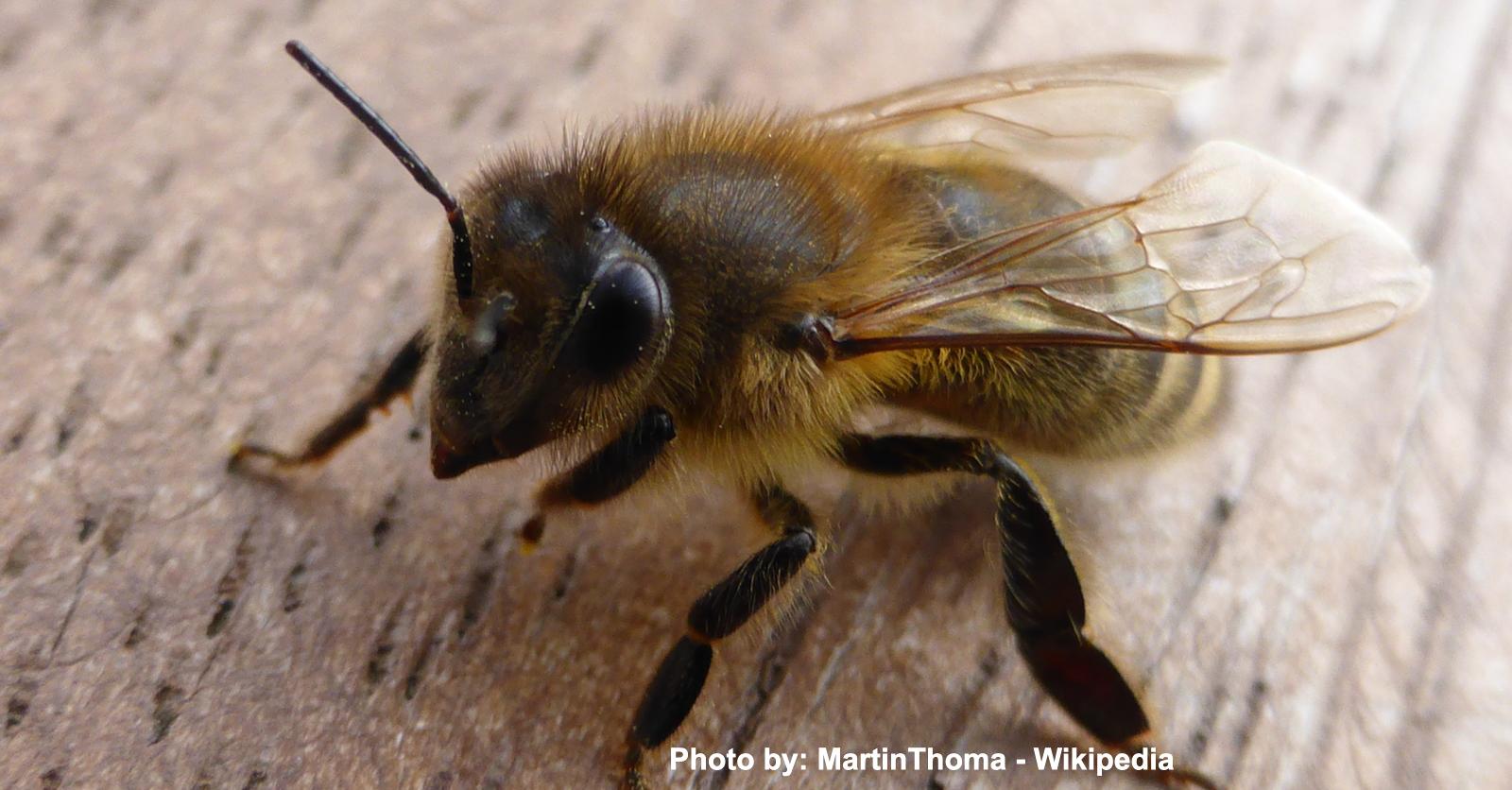
Honey bees can detect specific substances in their food sources. For example, they can detect the presence of pesticides and avoid consuming it. But can they also detect pathogens?
A study recently published in the journal Biology Letters shows that honey bees can detect viruses in their food, but they often choose contaminated food instead.
In cage trials in which honey bees could choose between pure sugar syrup and syrup contaminated with viruses such as DWV, Black Queen Cell Virus or Chronic Bee Paralysis Virus, the bees preferred the pure syrup during the summer. However, in autumn, they chose the virus-contaminated syrup significantly more often. In field trials the consumption of contaminated syrup was higher during every seasons.
The reasons for this seasonal shift in behaviour are not yet clear, but the findings could be important for understanding colony health and the epidemiology of viral diseases.
Go to the full text here.