On October 29th, Apimondia – represented by Dr. Fani Hatjina, Chair of Bee Health Commission – participated at a demo workshop for stakeholders organised by the PollinERA project.
PollinEra is an Horizon project (https://pollinera-horizon.eu/) aiming to reverse pollinator population declines and reduce the harmful impacts of pesticides and to move pesticide risk assessment beyond testing single substances on honey bees, towards an ecologically consistent evaluation across insects pollinator.
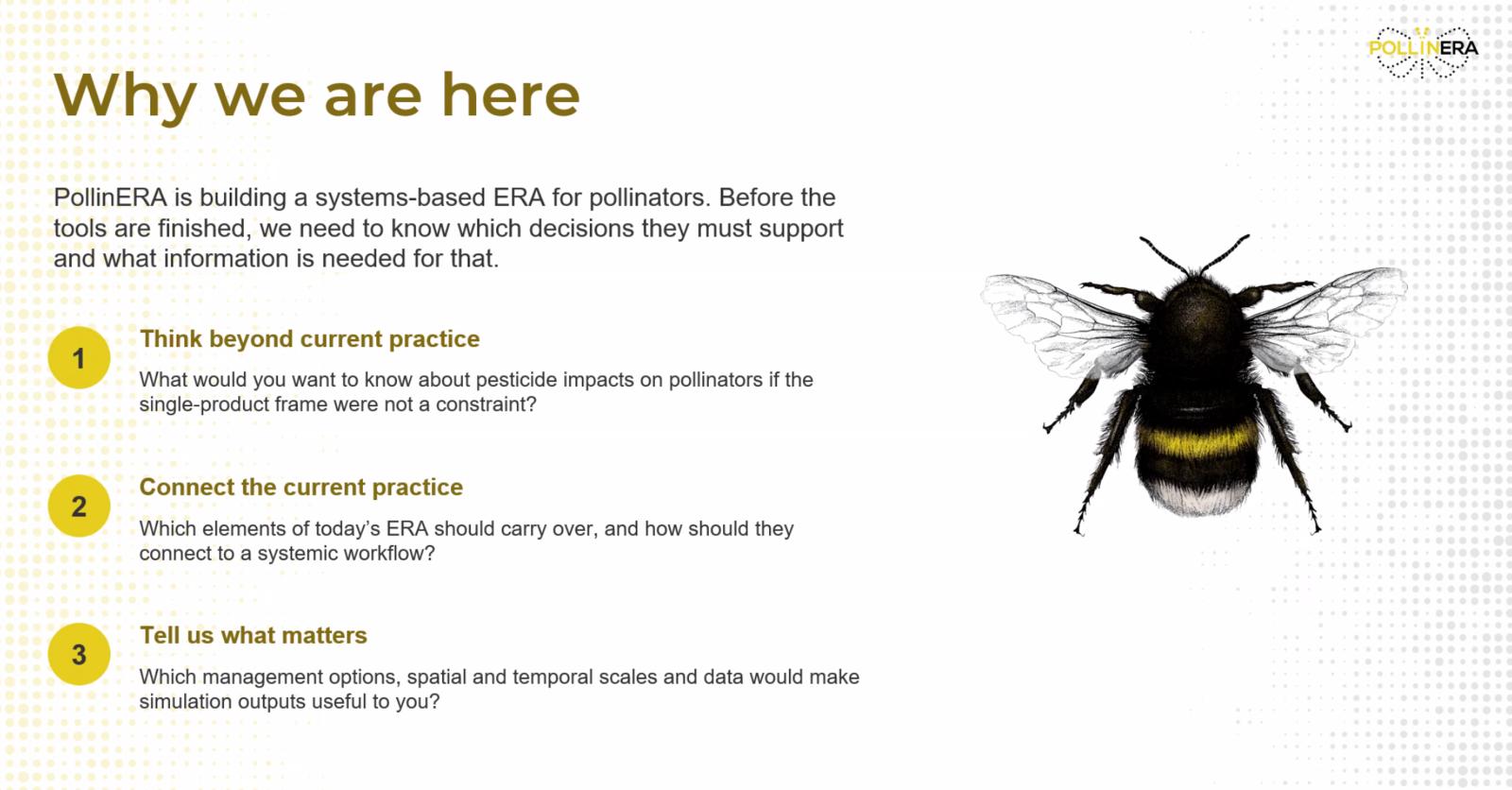
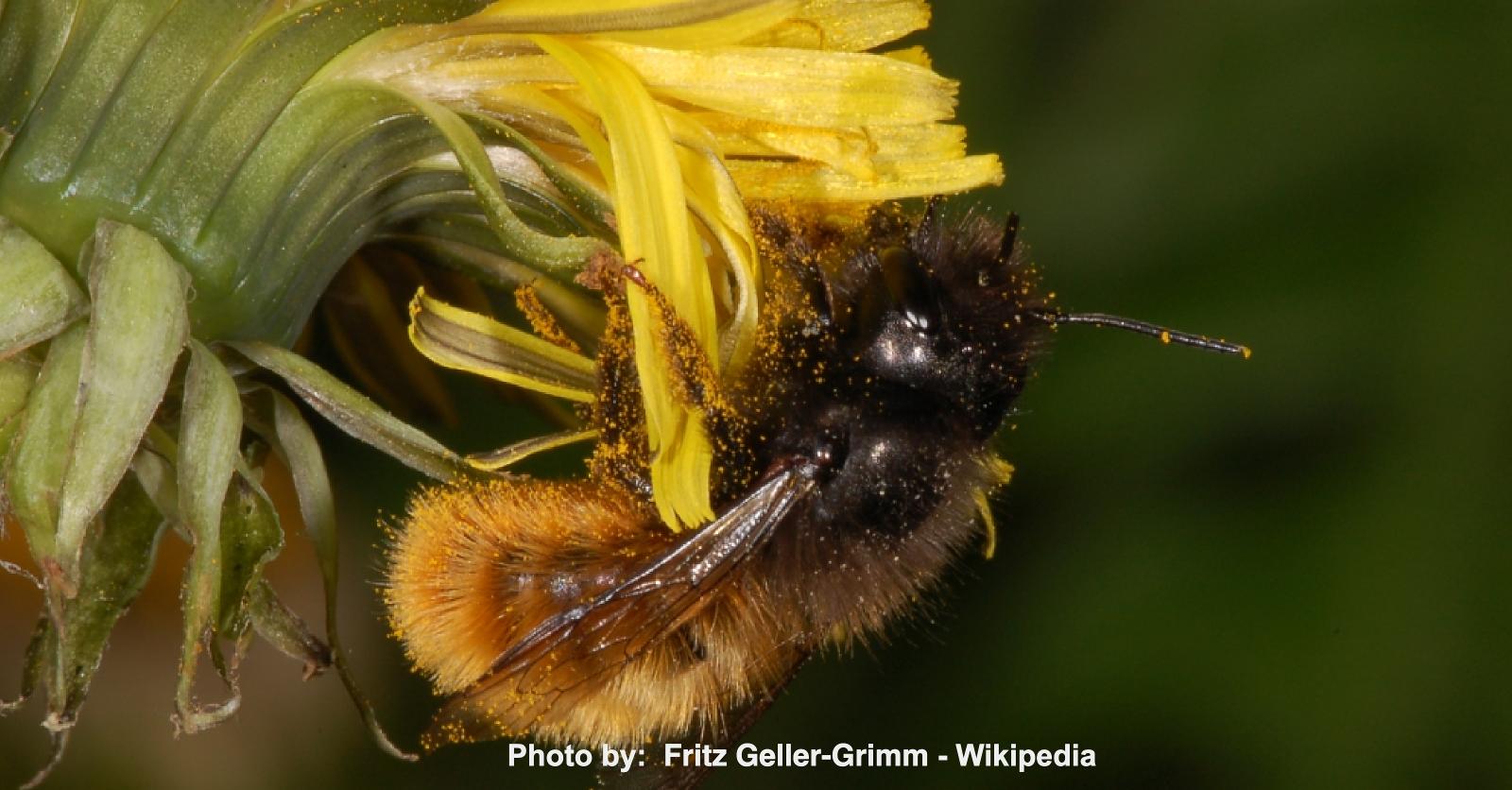
During the workshop, Prof. Christopher John Topping, PollinEra coordinator, outlined the PollinERA One-system approach: how PollinERA combines pesticide exposure, species ecology and landscape context to generate population-level results that open new possibilities for risk assessment at the landscape scale. In brief, current environmental risk assessment (ERA) is organised around a single plant protection product (PPP) and a specified use, while systems ERA asks how the toxic load from the whole PPP-use pattern affects populations under realistic conditions and multiple stressors. The participants of the workshop had the chance to explore the first results from the PollinERA One-system prototype: population heat maps for the red mason bee (Osmia bicornis) and the key factors shaping them. At the end, the participants gave their inputs on which analyses, scenarios and outputs would be considered to be most useful or needed in regulatory practice.