As populações de abelhas selvagens na União Europeia foram oficialmente classificadas como ameaçadas de extinção em outubro passado, entrando no Lista Vermelha da União Internacional para a Conservação da Natureza. A decisão marca um ponto de viragem na forma como os cientistas e os decisores políticos encaram a abelha melífera ocidental, Apis mellifera, O nome da colmeia é um dos mais conhecidos, há muito associado principalmente às colmeias geridas.
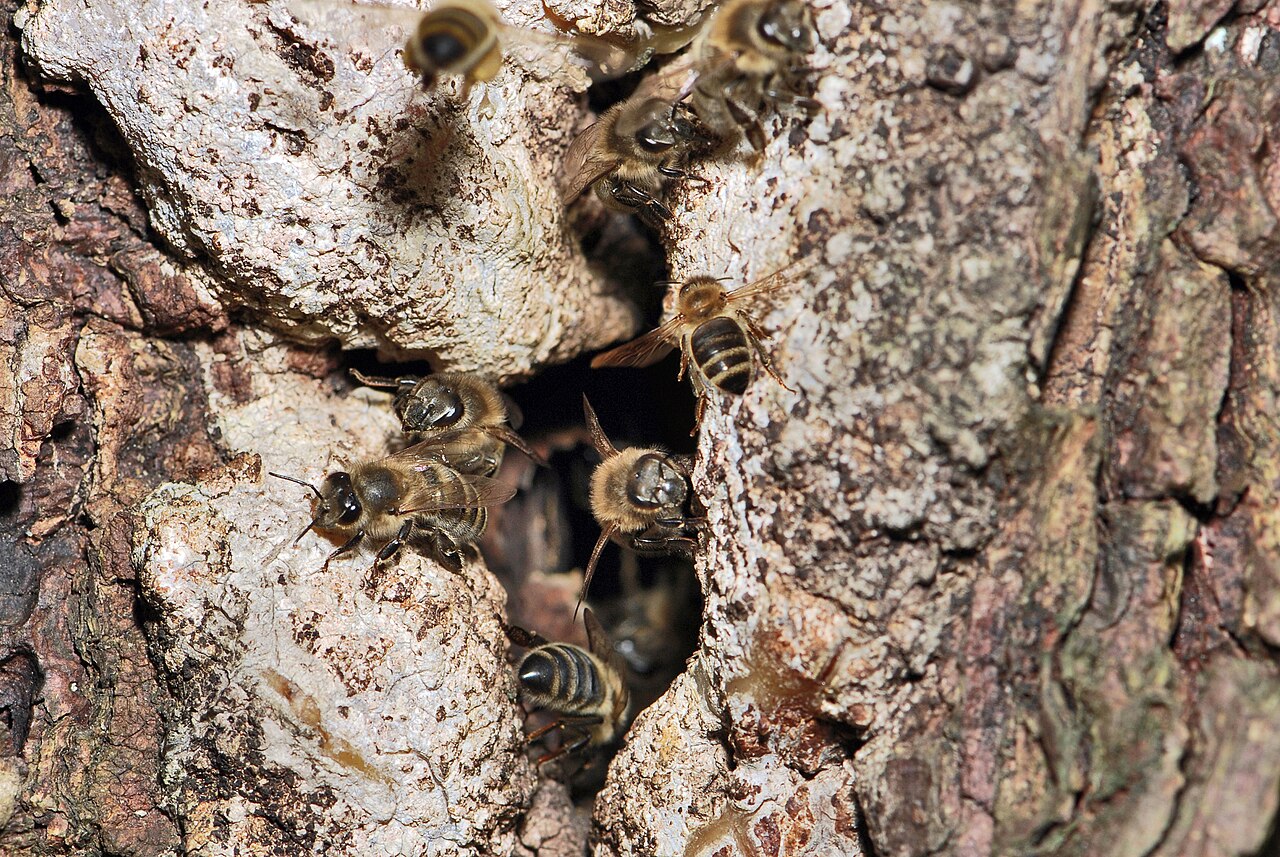
Durante décadas, a atenção centrou-se nas colónias domesticadas tratadas pelos apicultores, especialmente após as grandes perdas registadas no início da década de 2000. As populações selvagens - colónias que vivem e se reproduzem sem intervenção humana - continuaram a ser largamente ignoradas. Em 2020, a Observação de abelhas A iniciativa “Wild”, em colaboração com a IUCN, adoptou uma definição ecológica de "selvagem", identificando colónias auto-sustentáveis e independentes da gestão humana.
Novos dados mostram que a Europa tem a densidade mais baixa do mundo de colónias de abelhas selvagens, com números em declínio devido à perda de habitat, doenças, parasitas e hibridação. O estatuto de ameaçado reconhece as abelhas melíferas selvagens como fauna autóctone e apela a uma maior proteção do habitat, ao controlo das doenças e à investigação para salvaguardar um recurso genético crucial para a resiliência futura dos ecossistemas e da agricultura.
Ler o artigo completo aqui.