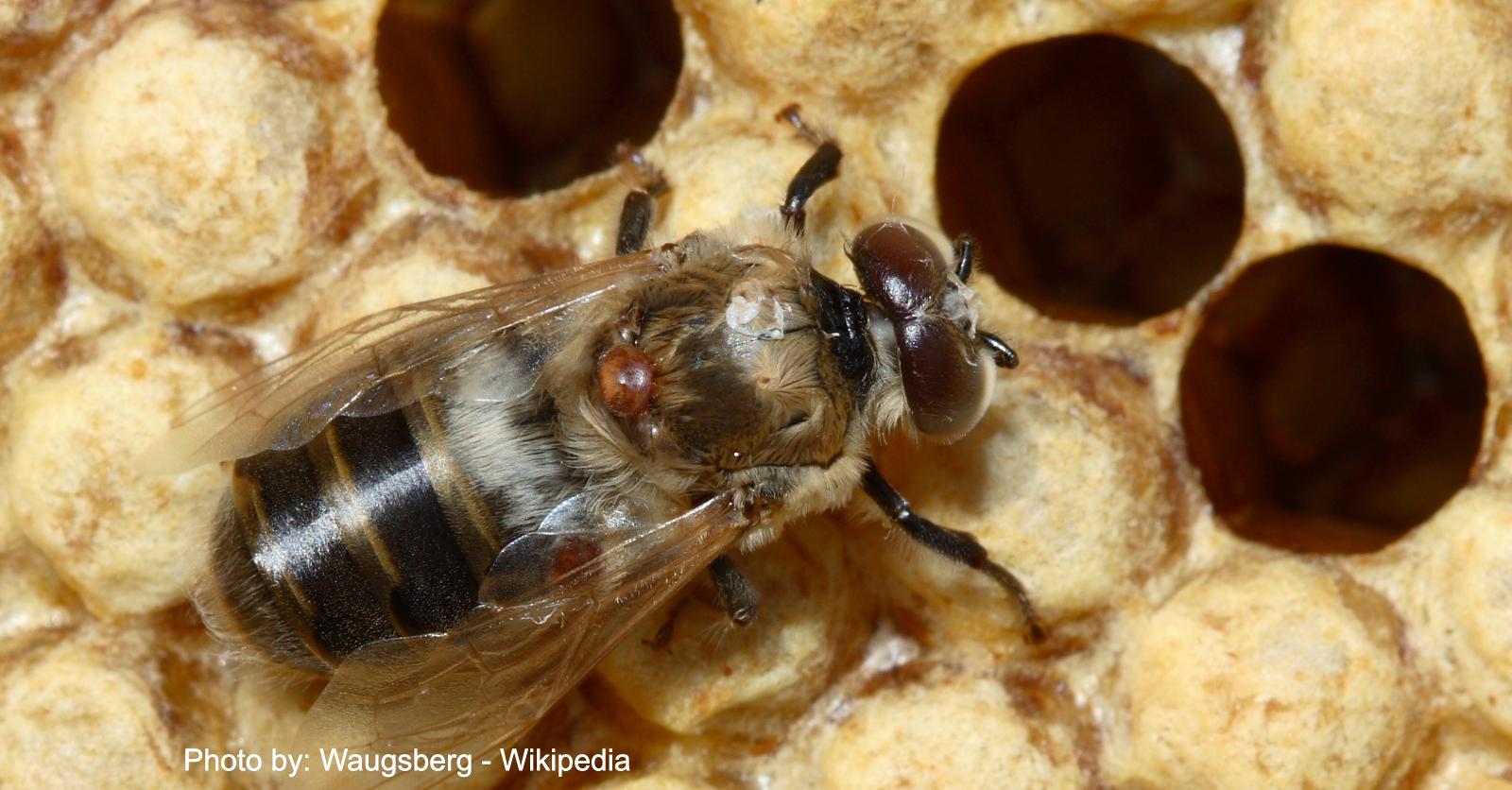
Одиннадцать лет спустя после первого общенационального мониторинга здоровья медоносных пчел уругвайские исследователи провели новое обследование по всей стране и опубликовали результаты в Журнале пчеловодческих исследований.
В ходе последнего мониторинга исследователи отметили переход от синтетических акарицидов к органическим для борьбы с варроатозом, а также изменения в распространенности некоторых патогенов пчел. Лотмария пассим продемонстрировал наибольшую распространенность (60%), за ним следовали DWV (31%), SBV (27%), CBPV (25%), BQCV (22%) и ABPV (6%). Nosema ceranae инфекция показала более низкие уровни по сравнению с теми, о которых сообщалось в европейских странах.
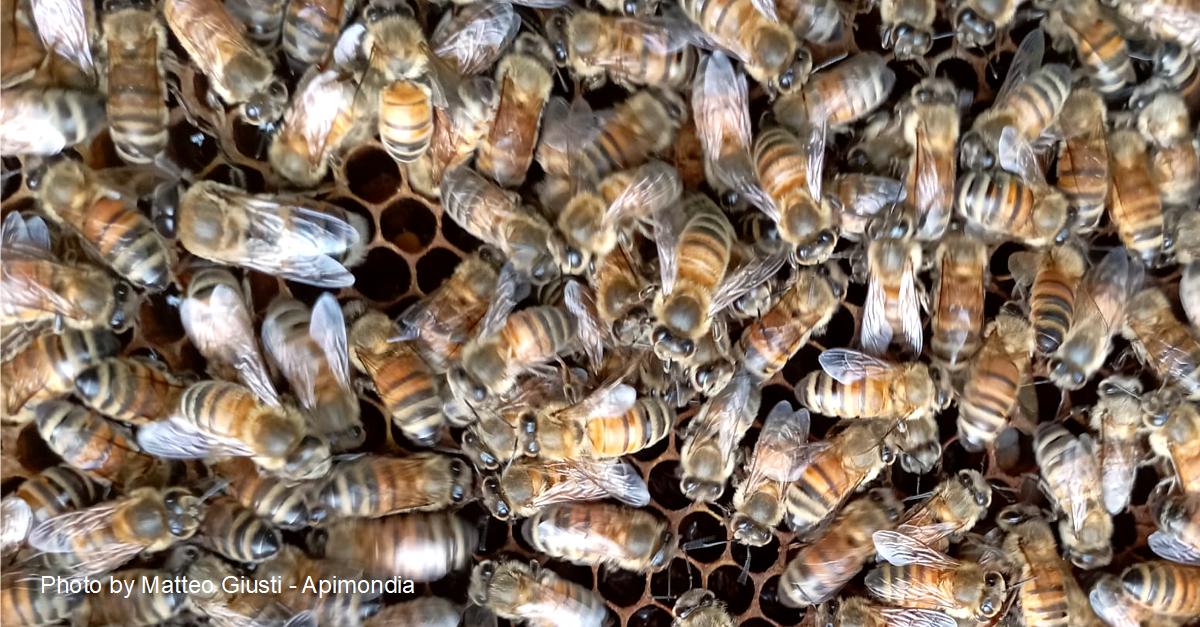
Что касается биоразнообразия пчел, то, как и в 2011 году, большинство колоний составляли африканизированные пчелы (62,51 TP3T).
По мнению исследователей, программы периодического мониторинга важны для разработки более эффективных мер контроля и защиты здоровья медоносных пчел.
Перейти к научной статье здесь.