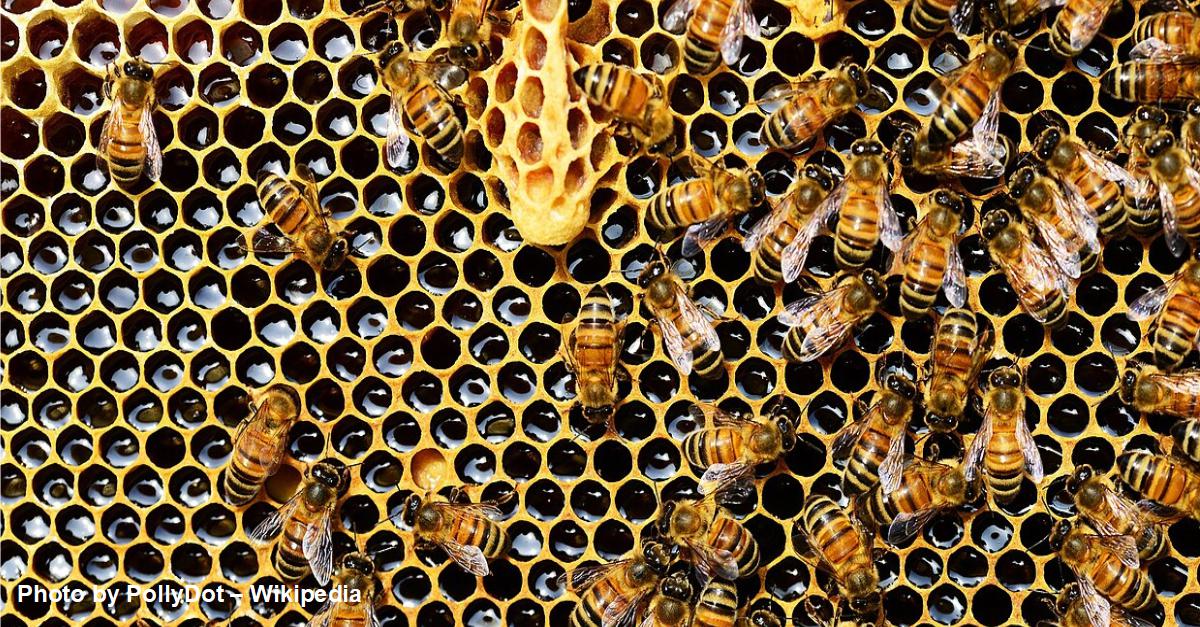
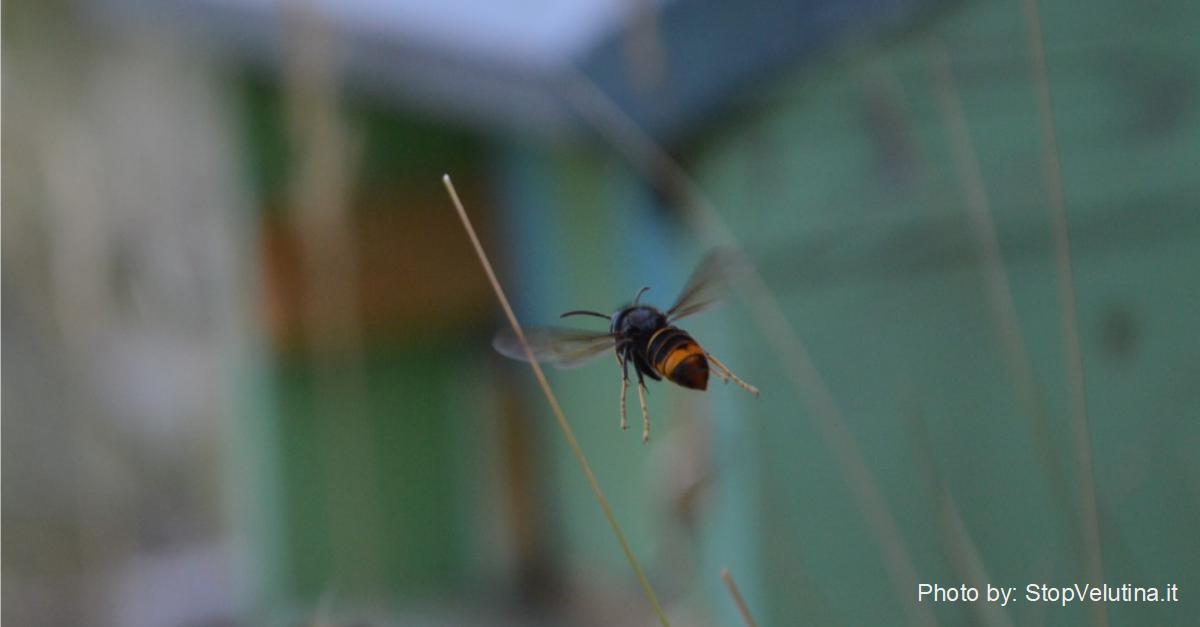
Vespa velutina does not feed only on honey bees. A French study, published in the Annales de la Société entomologique de France, analyzed the DNA of prey remains found in a nest and identified more than 159 species hunted by the hornet. Honey bees accounted for about 38% of the prey, while 30% were flies and 20% were social wasps. Researchers also found other insects as well as Hymenoptera, Coleoptera, Lepidoptera, Orthoptera.
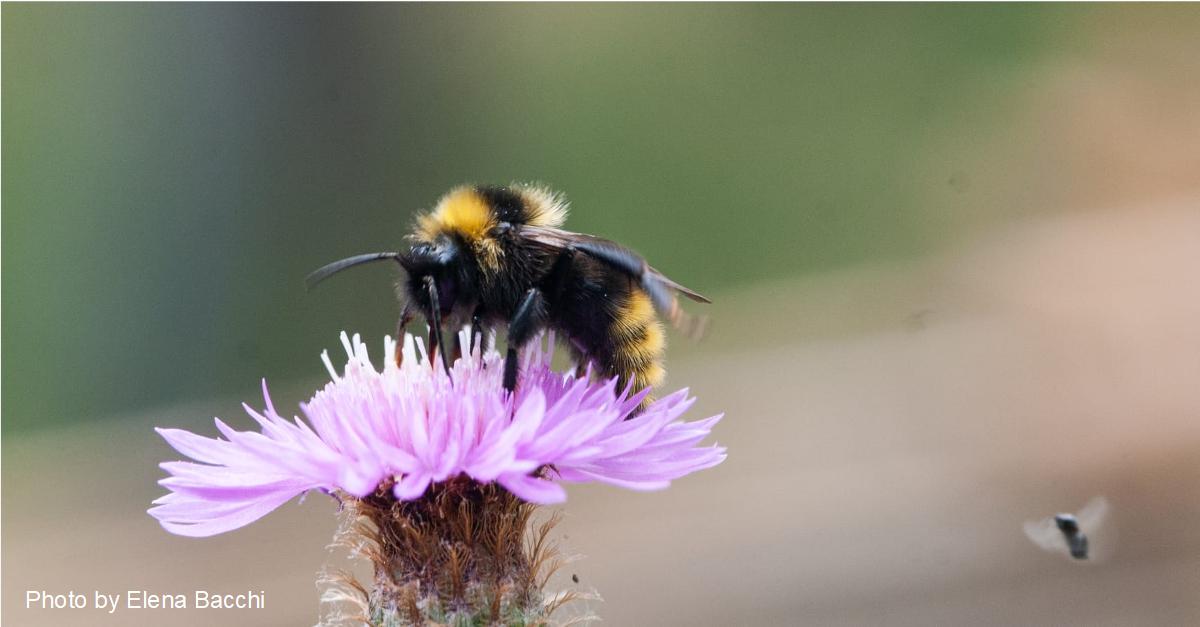
This means the problem does not concern beekeeping only, but the entire ecosystem and the agricultural productions. A recent Spanish paper, in the Journal of Environmental Management, highlights that the spread of invasive hornets could pose a risk to pollinators, and therefore to the quantity and quality of crops. The issue is being intensified by climate change, which allows subtropical hornets such as Vespa velutina to spread even into temperate regions.
For that, effective management strategies will be necessary to mitigate these risks.