
Canada, Architecture and Bee Research
What about architecture and bee research? This time we are not talking about comb structures or the geometry of wax foundations, but about the new Honey Bee Research Centre (HBRC)
What about architecture and bee research? This time we are not talking about comb structures or the geometry of wax foundations, but about the new Honey Bee Research Centre (HBRC)
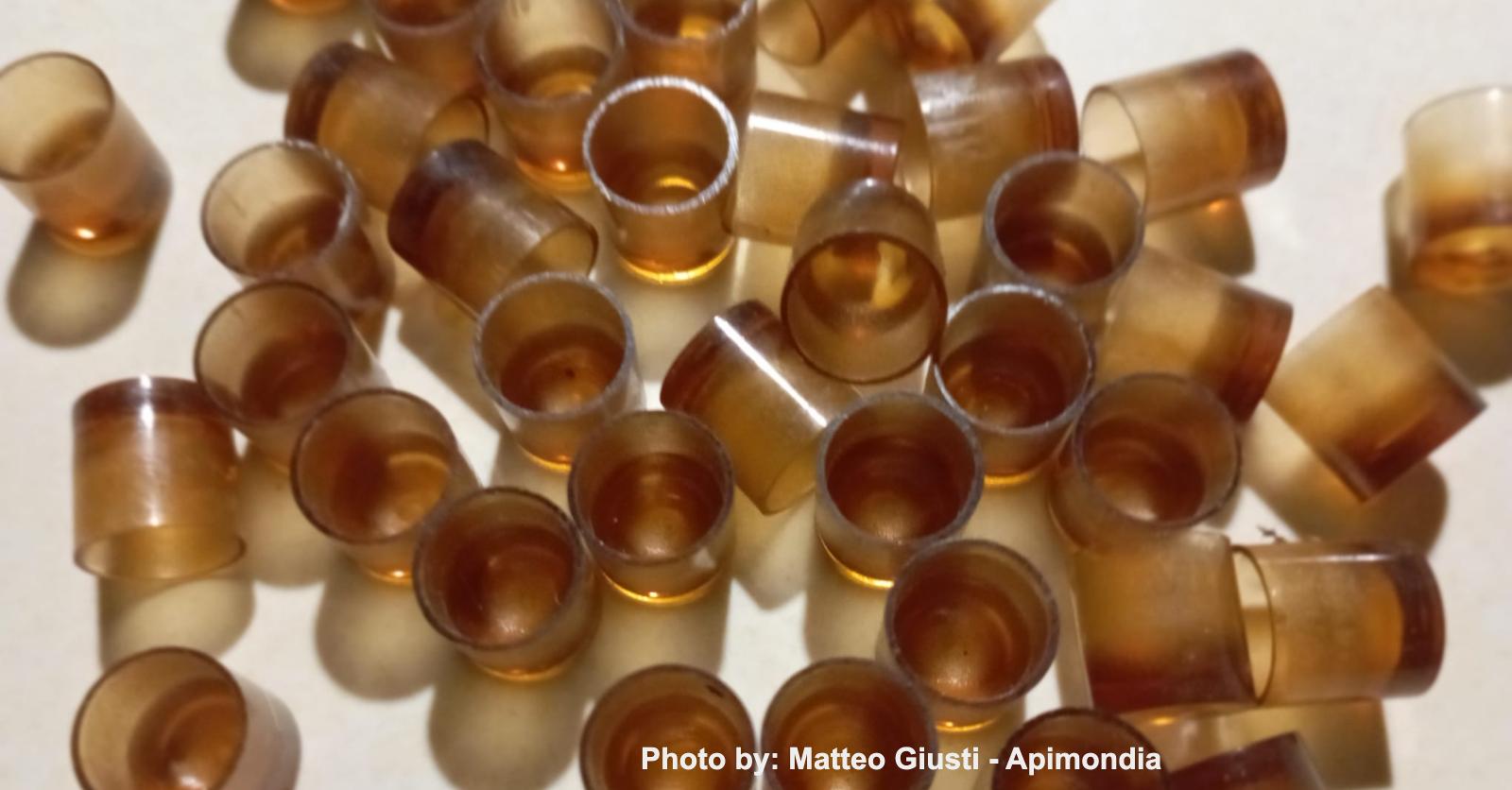
A recent study conducted in Nepal and published in Apidologie assessed the optimal size of cell cups for both rearing queen bees and producing royal jelly.Researchers compared cell cups with

A special Mass for beekeepers will take place in Rome, Italy, on Saturday, 12 December 2026, in the morning. The Mass will bring together beekeepers and friends of beekeeping for
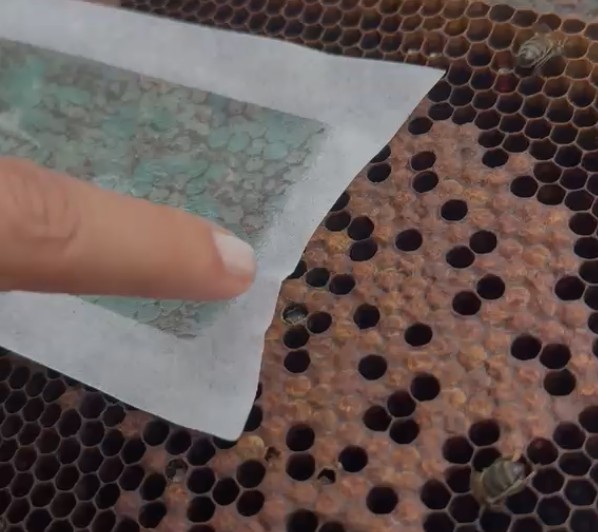
The reported detection of Tropilaelaps mercedesae in northeastern Türkiye raises serious concerns about its potential spread into Eastern Europe. Apimondia is calling for strengthened surveillance, early detection and rapid response,
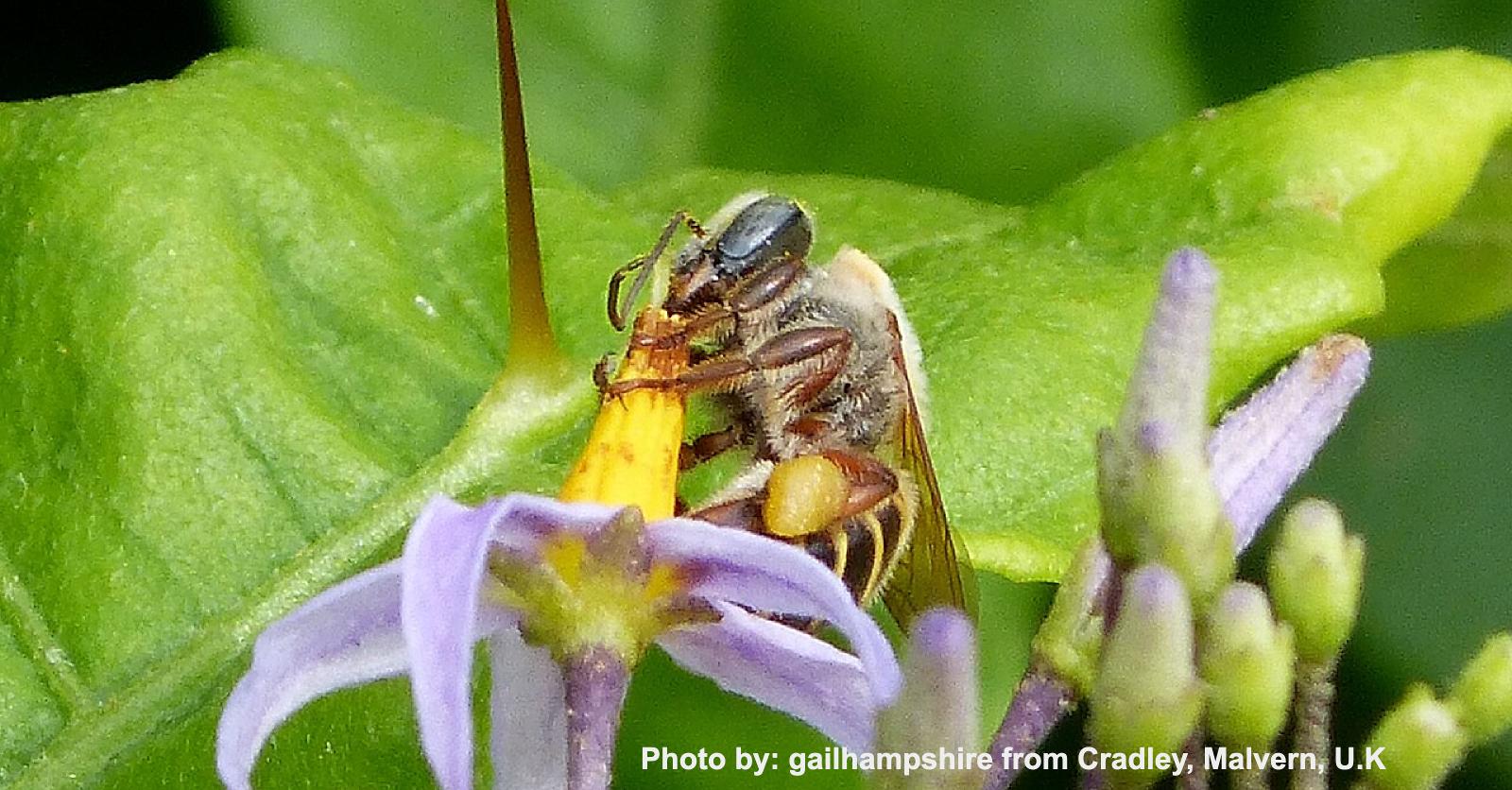
The Mexican Supreme Court is considering whether melipona bees should be recognized as subjects of rights and whether Indigenous communities should be recognized as their guardians.
The legal proceedings
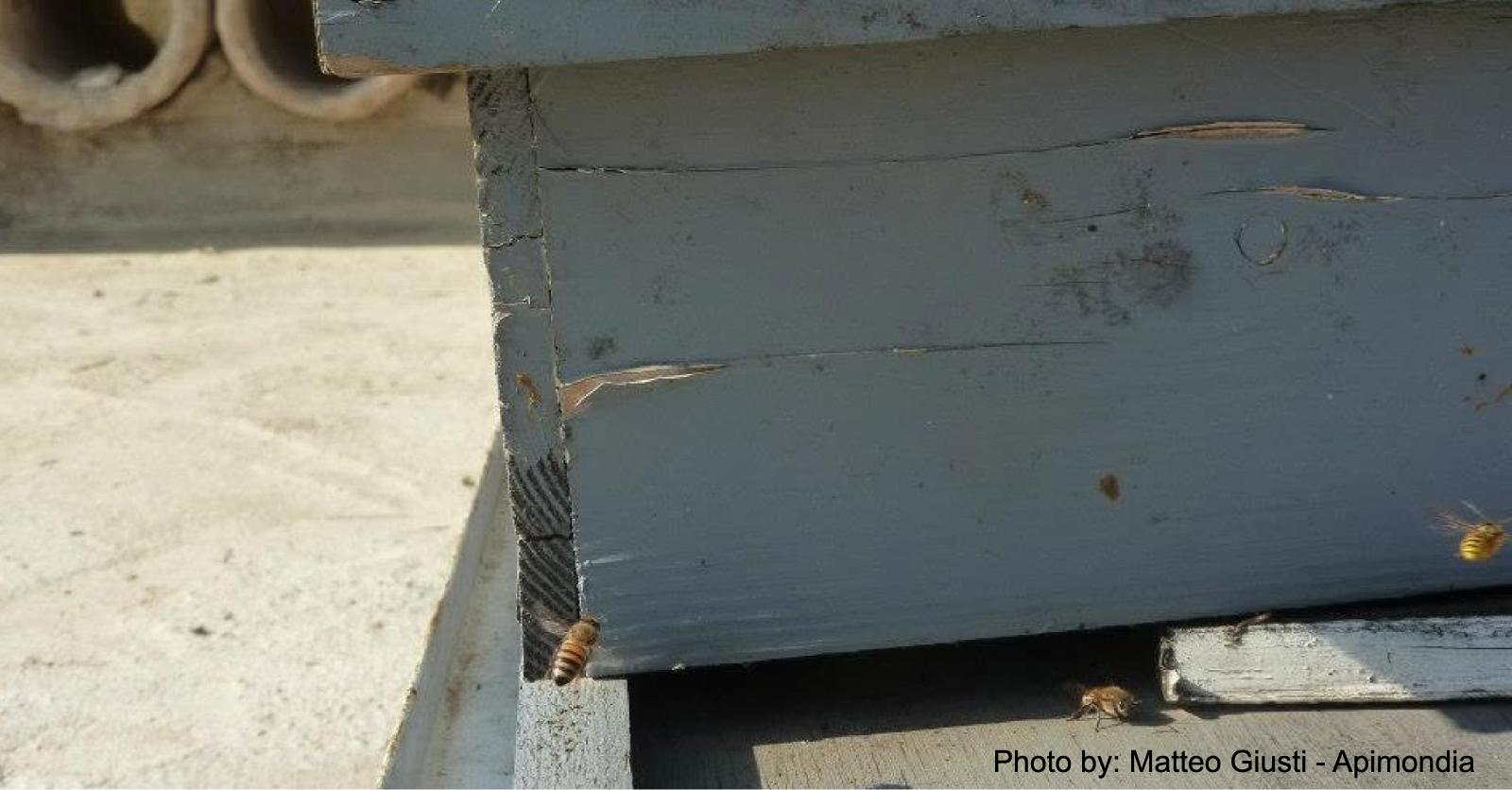
A new study, recently published in the Journal of Apicultural Research, provides an overview of the current situation. analysing the biotic threats and the human abilities, using a specific index,
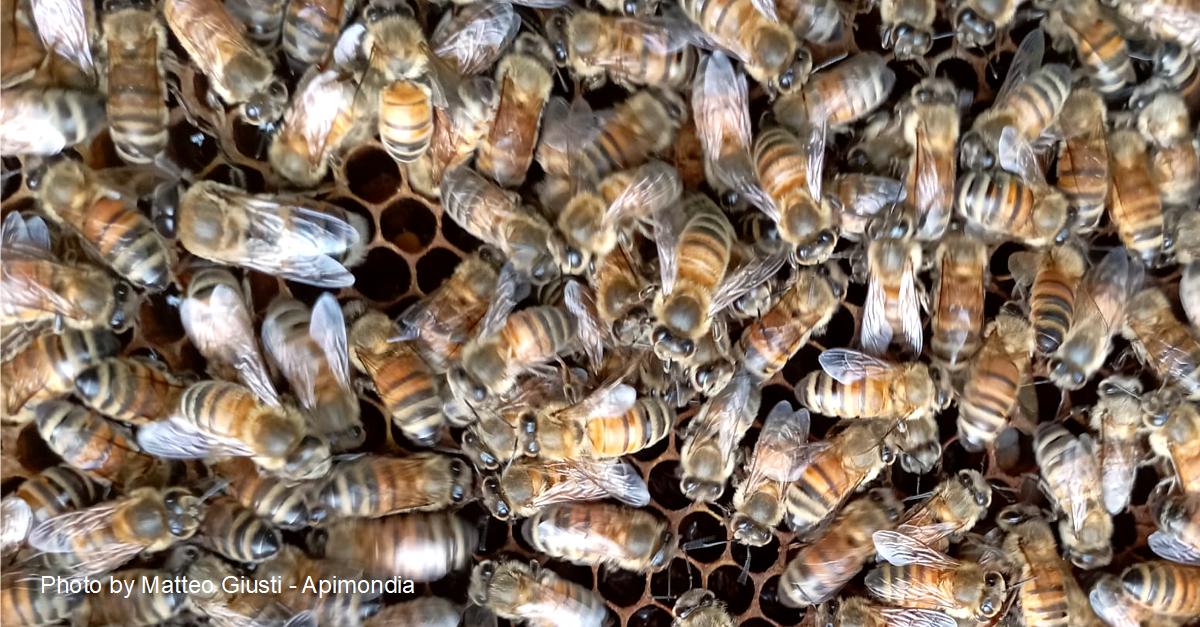
Eleven years after the first nationwide monitoring of honey bee health, Uruguayan researchers conducted a new survey across the country and published the results in the Journal of Apicultural Research.<br
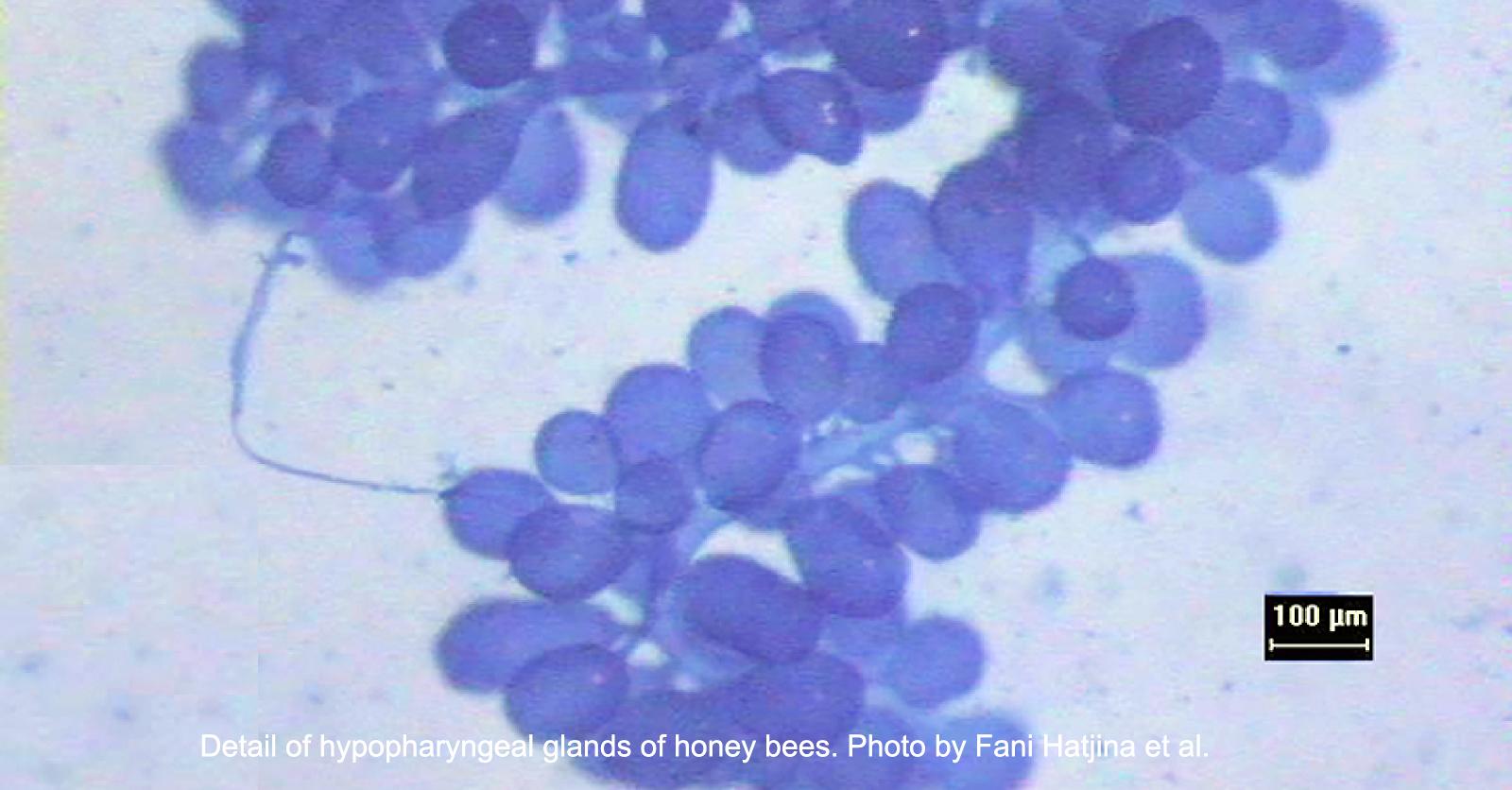
A new study published in the Journal of Apicultural Research confirms once more that even low levels of the imidacloprid can affect the development of hypopharyngeal glands (HPGs) in honey
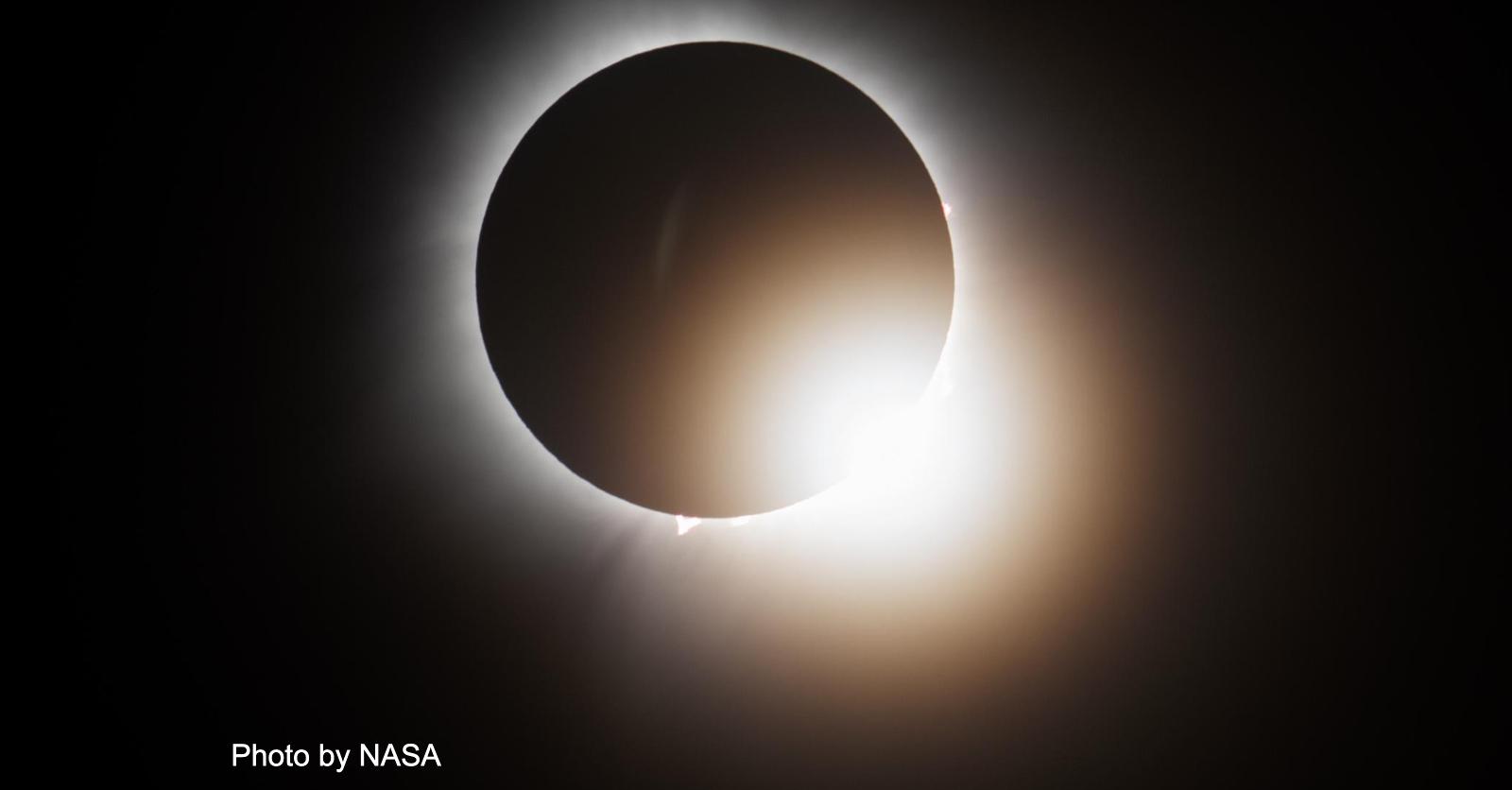
Today, 12 August 2026, a solar eclipse will be visible from many places in Europe and in some parts of the Spain and of the Northern Russia will be total.

U.S. beekeepers are challenging the USDA’s rules for organic honey imports, alleging that they are too weak. According to beekeepers, as reported by Capital Press magazine, the current rules allow