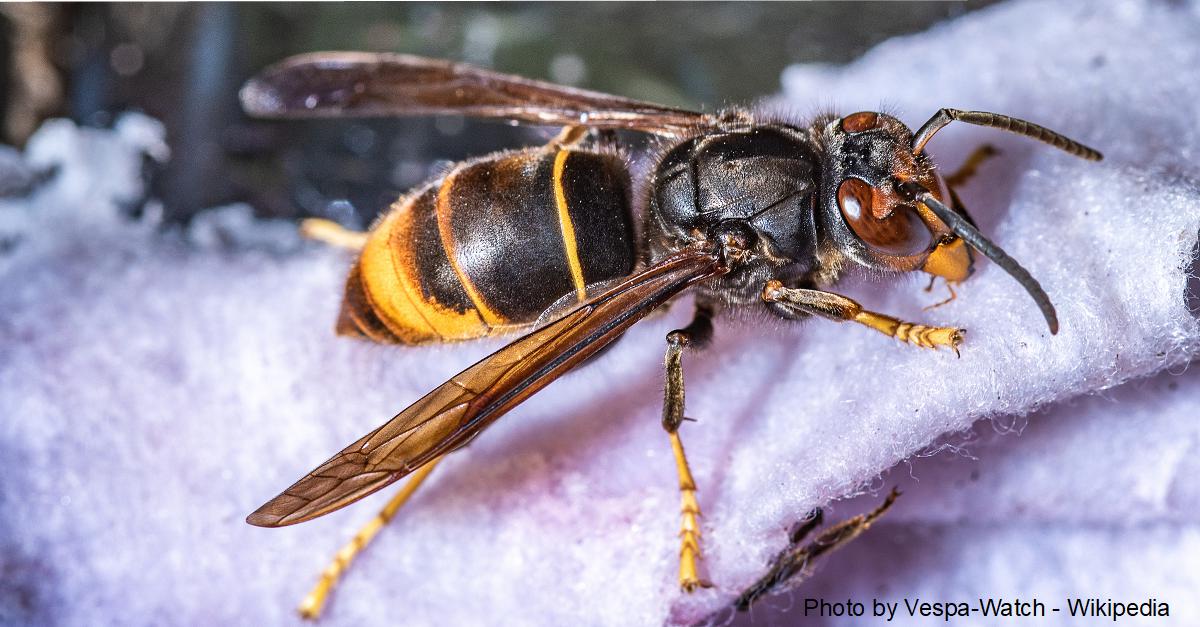
US is Worrying for Vespa Velutina’s Spread
The United States is concerned about the spread of Vespa velutina. This hornet was first detected in 2023 in Georgia and has since spread to South Carolina. In 2026 more
The United States is concerned about the spread of Vespa velutina. This hornet was first detected in 2023 in Georgia and has since spread to South Carolina. In 2026 more
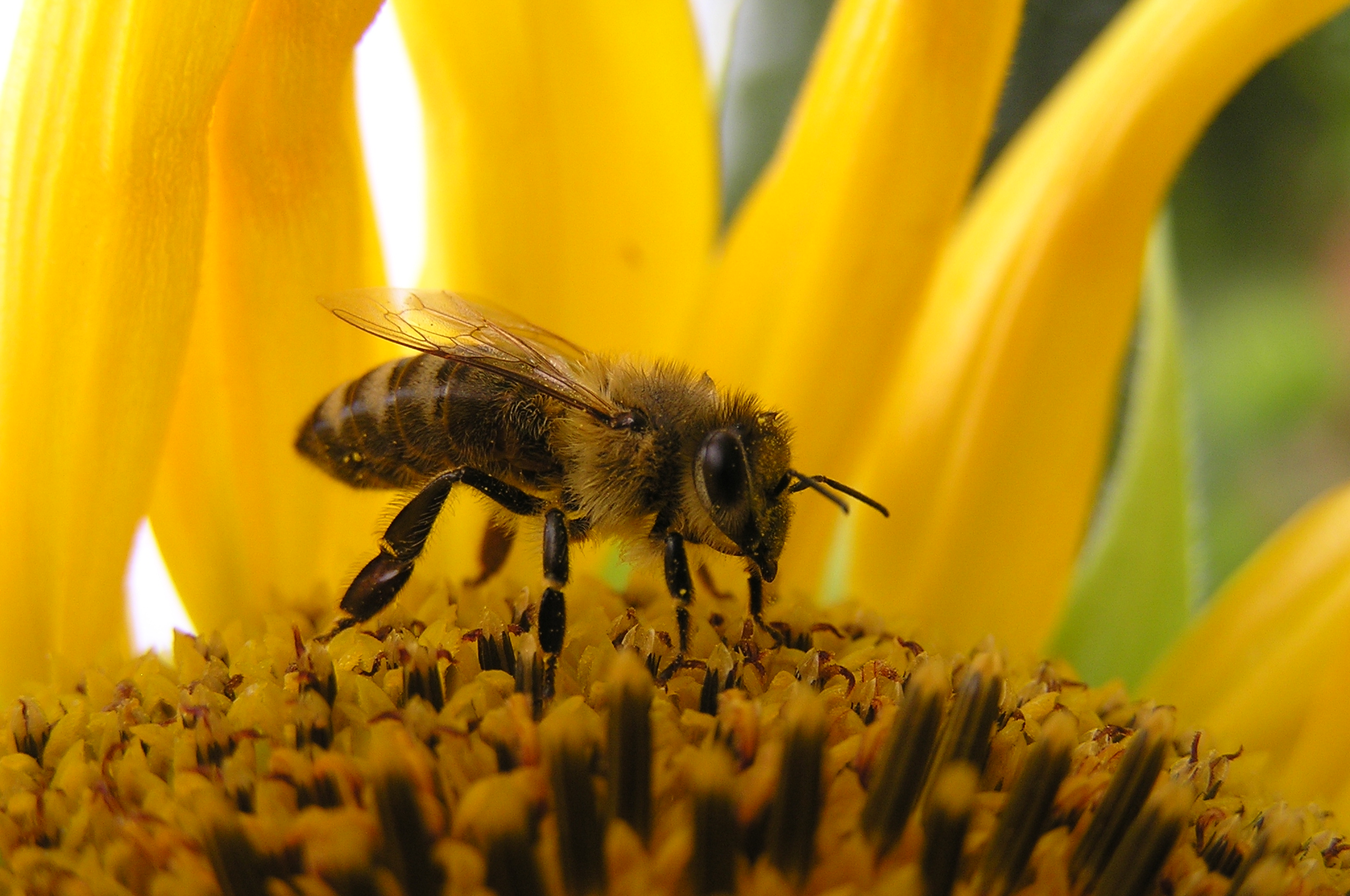
Today, April 22, we mark Earth Day. A global reminder of the urgent need to protect the natural systems that sustain life on our planet. Among these, pollinators, and especially
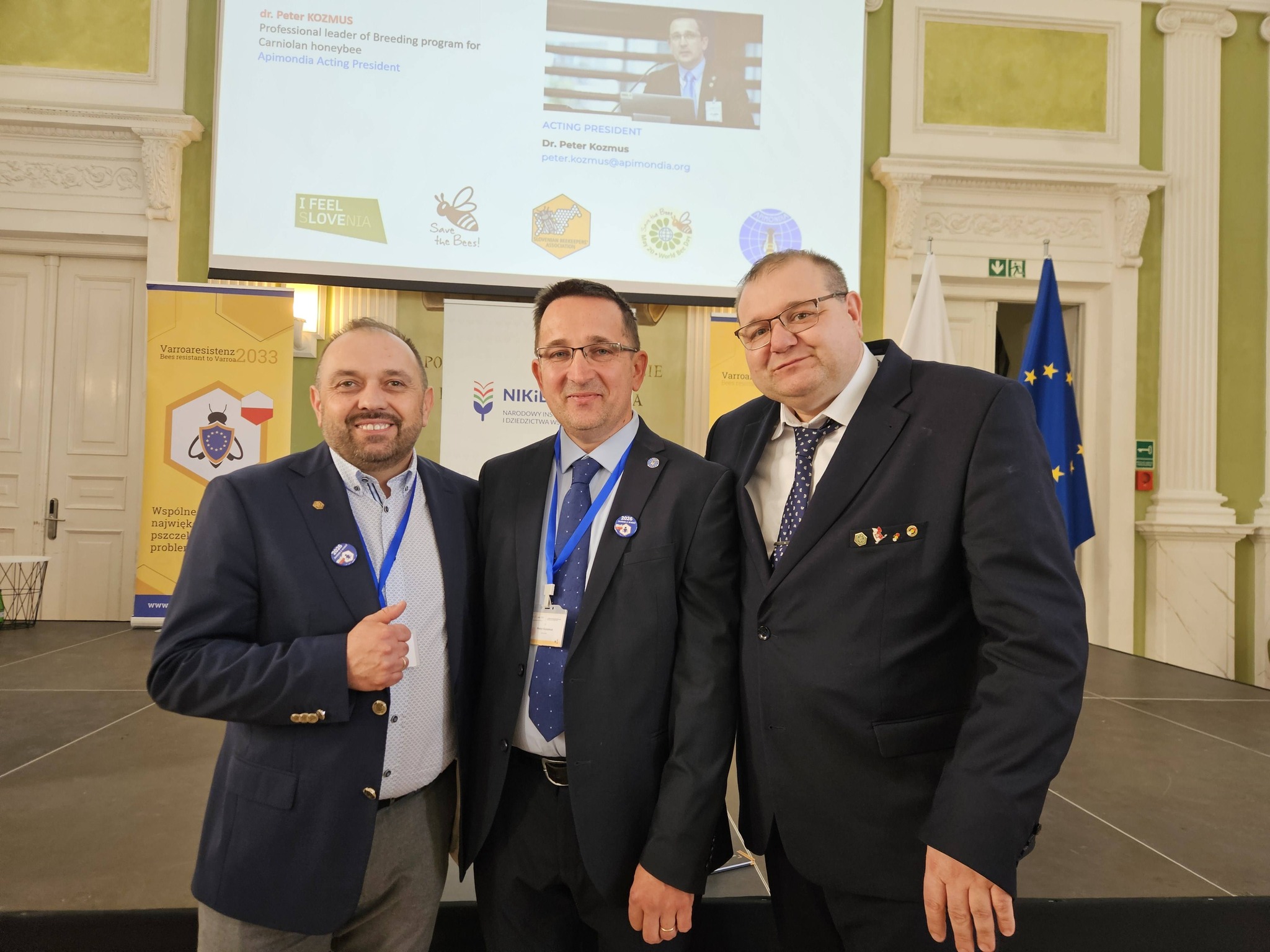
Apimondia was honoured to participate in the VarroaResistenz Conference, held on 18–19 April in Warsaw, Poland, which brought together experts, researchers, and beekeepers dedicated to addressing one of the most
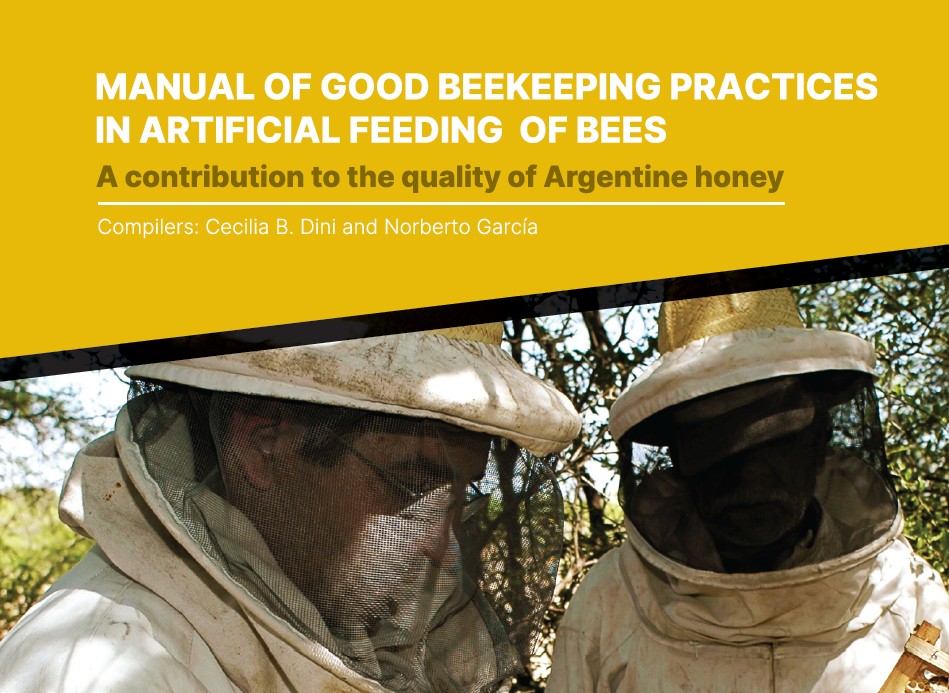
The current Manual of Good Beekeeping Practices in Artificial Feeding of Bees was developed to overcome the new challenges derived from the combat against honey fraud. Honey fraud has strongly
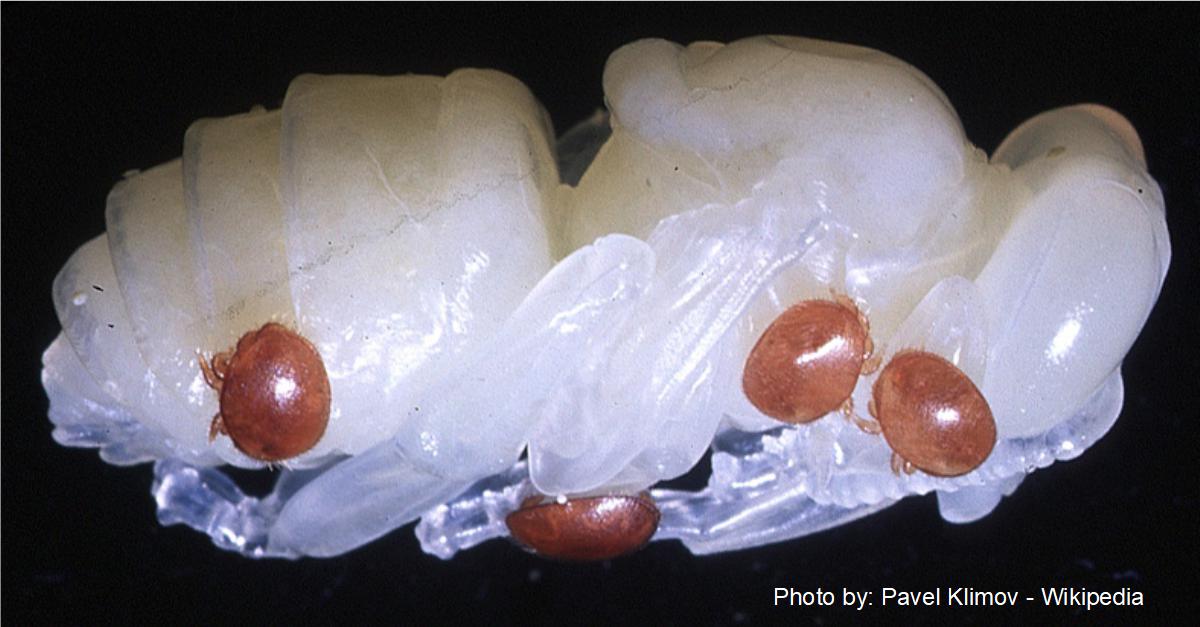
A new study from the University of Wellington, New Zealand, reported effective mite control using Varroa-specific RNAi (vadescana), administered through feeding at two different doses. Both doses reduced mite populations
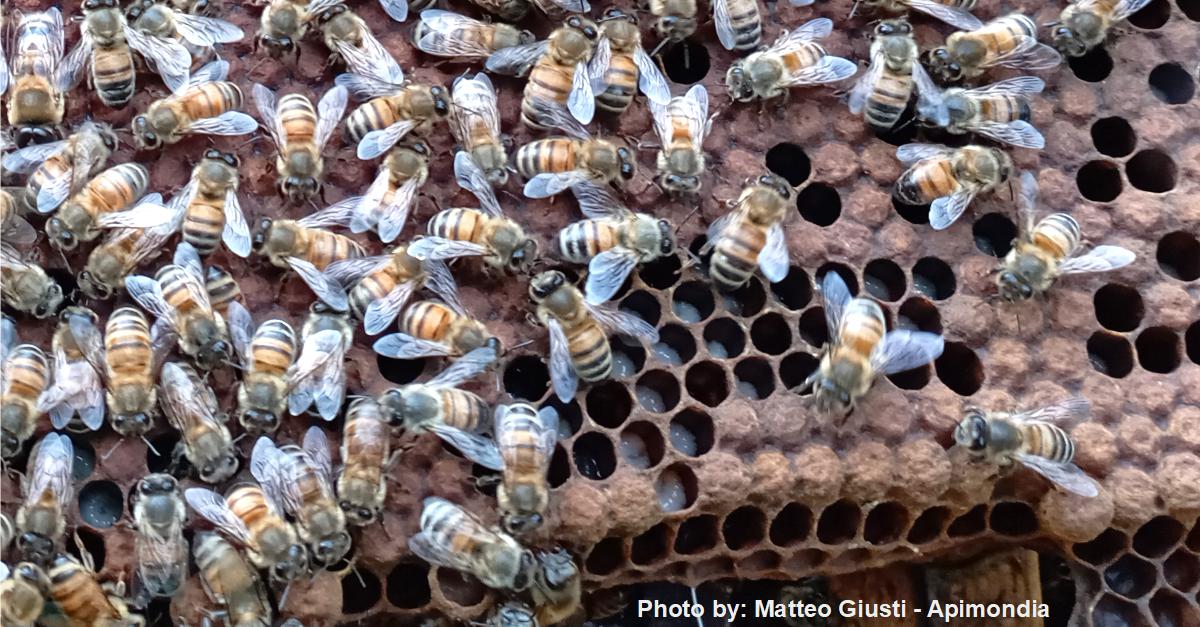
These microrganisms have been registered in Europe, America and Asia, and such infections occur through contaminated food, the sting of Varroa destructor, and vertically.
Spiroplasma apis causes the neurological
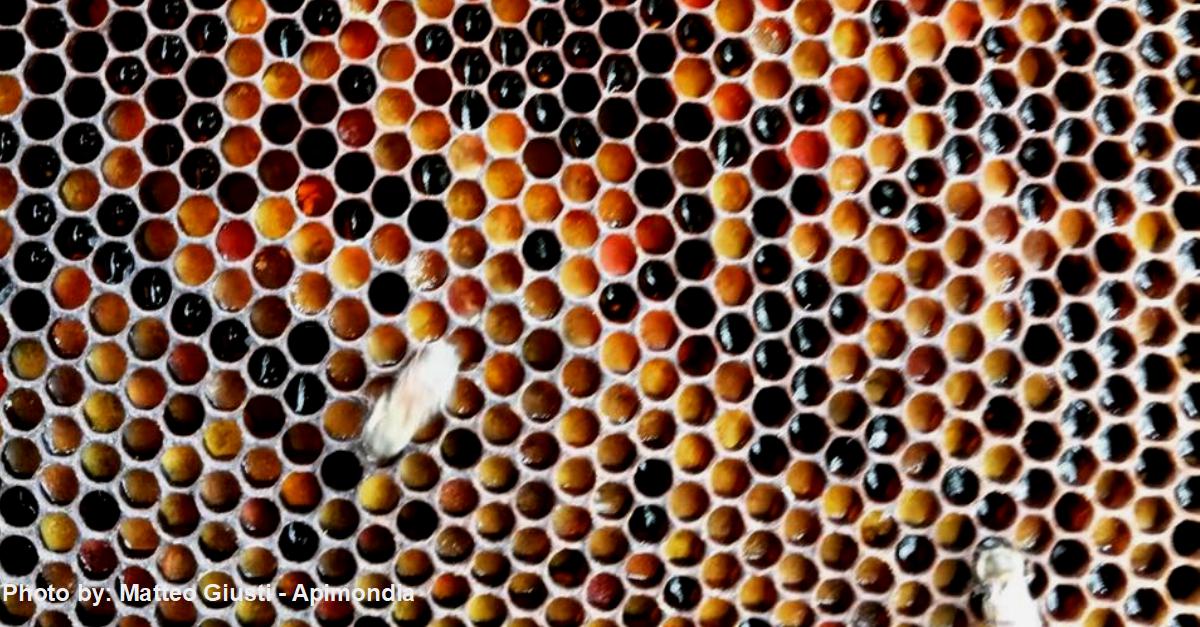
A recent research, carried out in Taiwan, showed that pollen from different botanical sources leads to different types of beebread. Beebread derived from rapeseed (Brassica napus), beggartick (Bidens pilosa), and
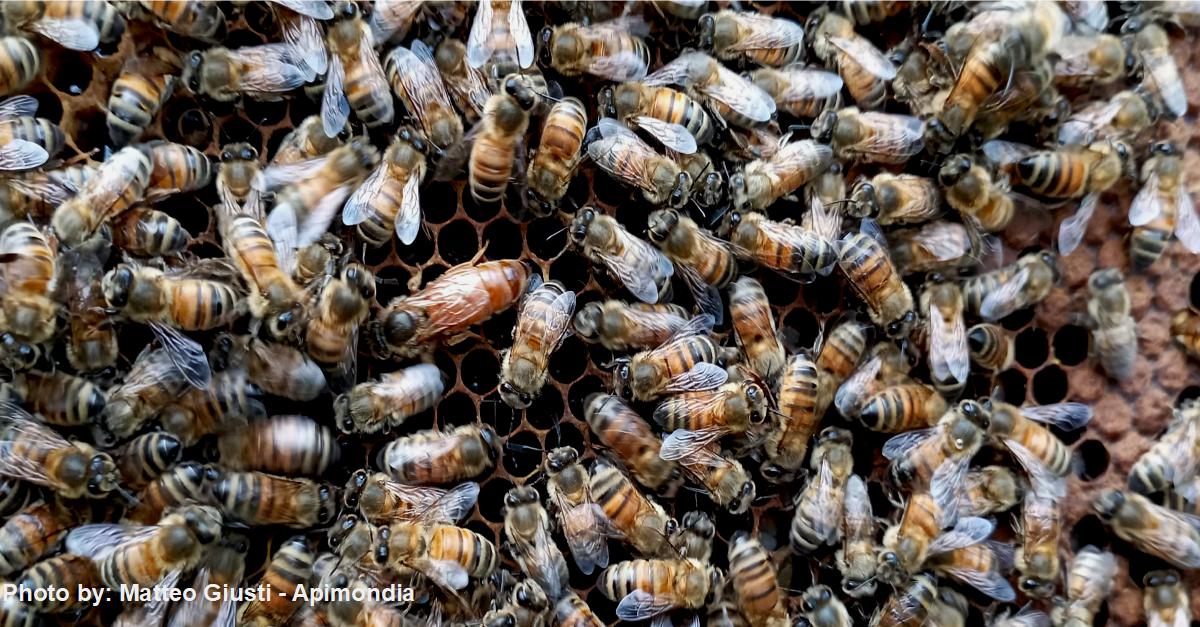
A Canadian study investigated the impact of overwintering banked queens, using well-populated hives as queen banks, each containing 40 queens. Reproductive and nutritional parameters were evaluated, including queen and ovary
London Honey Awards are open to receive honey samples. The contest evaluates products through a blind tasting process carried out by an international jury panel, tasting anonymous samples.
If
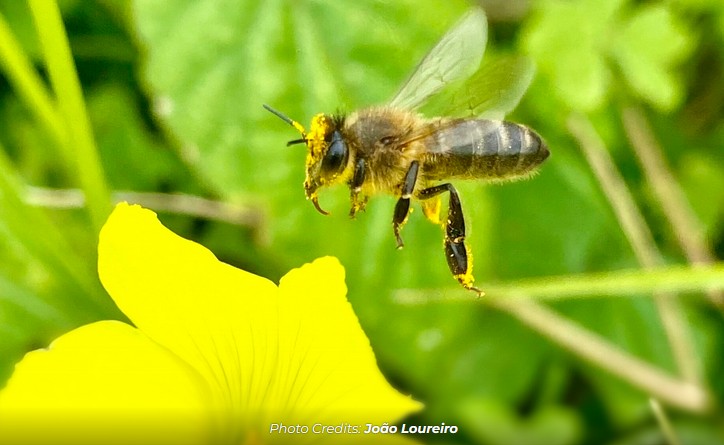
Photo credits: João Loureiro Portugal just became one of the first southern European countries to approve a formal national plan for pollinator conservation — and for the beekeeping community, the