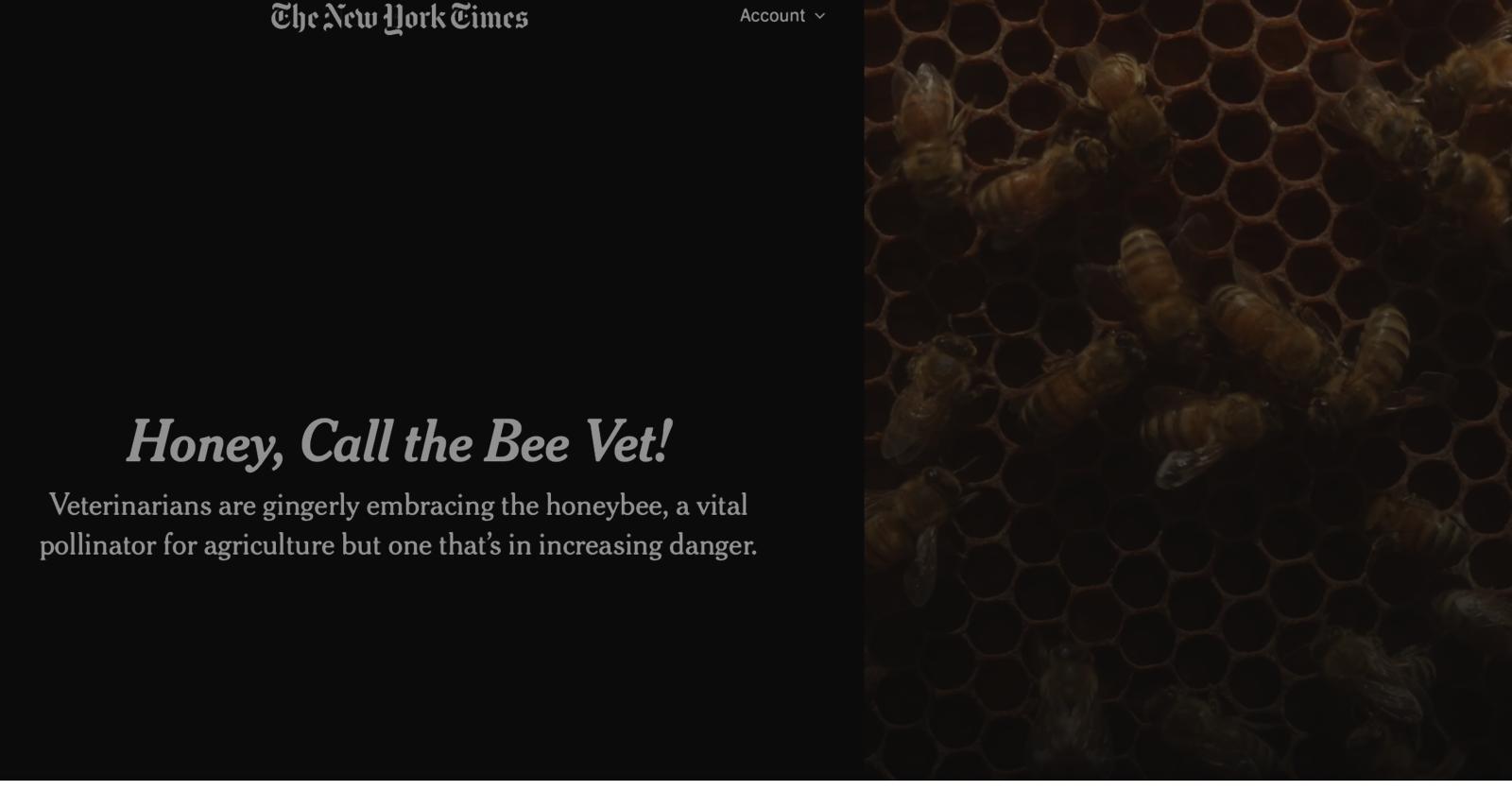
If The New York Times Writes on Bee Vet
These days, one of the world’s most prestigious newspapers, The New York Times, has published both an article and social media content about the veterinary course in beekeeping at the
These days, one of the world’s most prestigious newspapers, The New York Times, has published both an article and social media content about the veterinary course in beekeeping at the
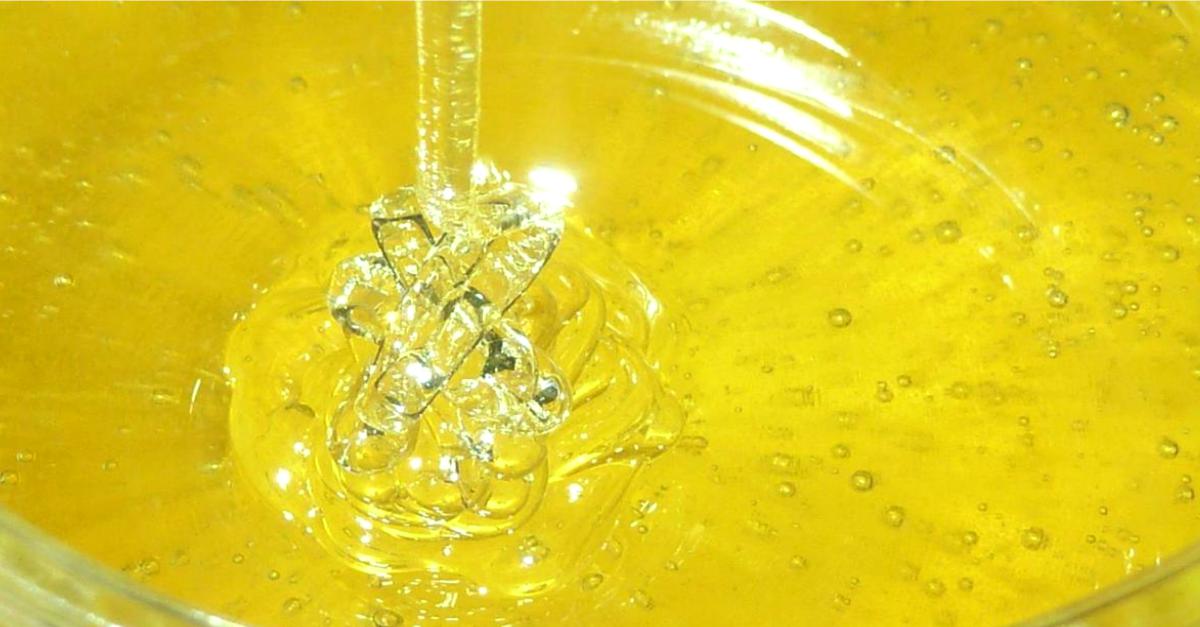
Kyrgyzstan continues to develop its agricultural processing sector and boost exports, particularly of dairy products and honey. According to local media reports, honey exports increased in 2026, reaching 228.84 tonnes.

The invitation for the 7th International Conference of Apiterapy is open. The International Conference of Apitherapy(ICA) is a high-level, global academic conference and apitherapy products expo dedicated to the apitherapy
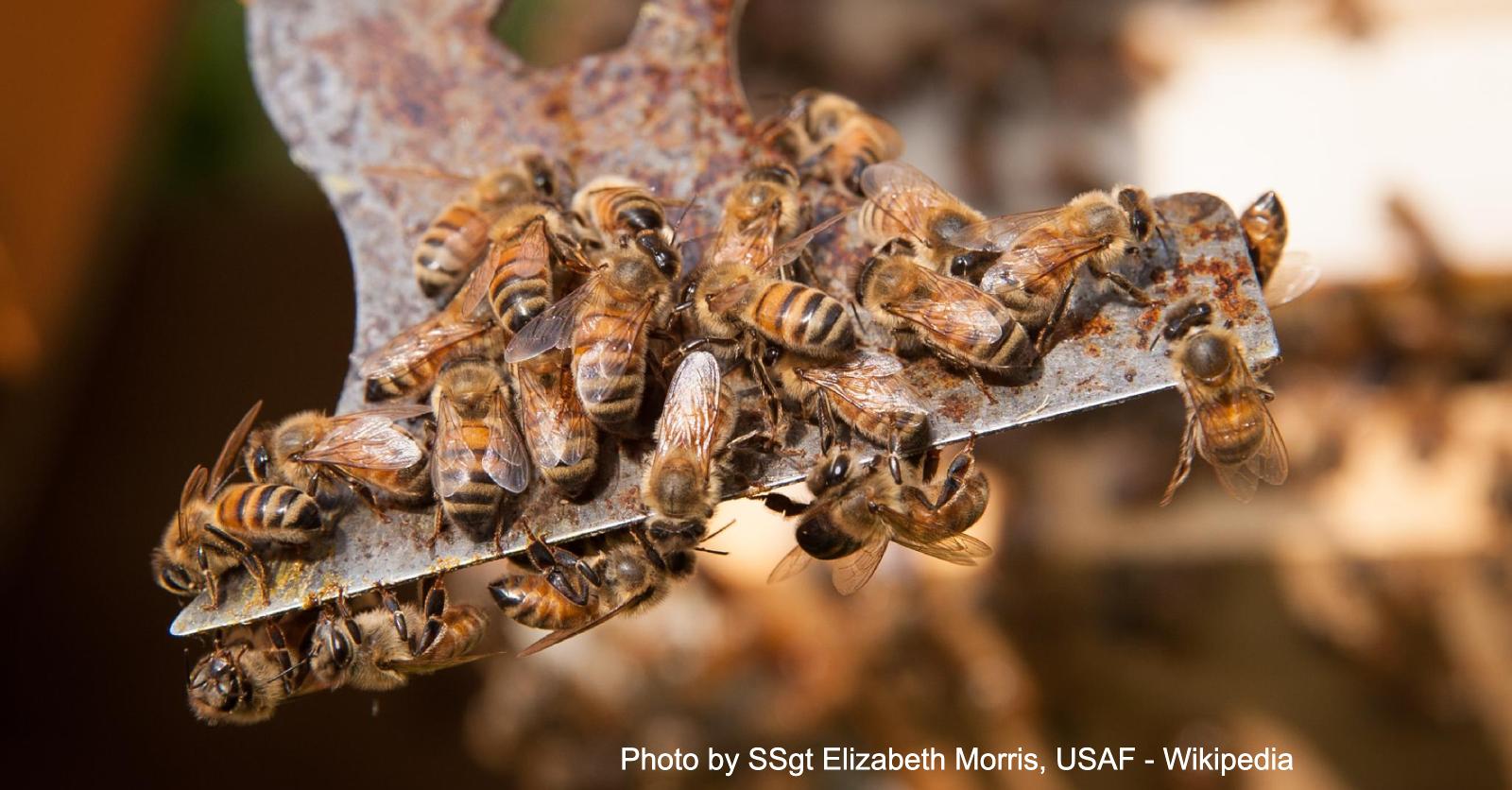
A new study published in Science Advances has investigated the magnetic sensitivity in bees, to determine whether magnetic properties were associated with sociality, sex, nesting behavior, or body size in

Join the global honey bee community for two days of science and collaboration. Mark your calendars! The 22nd COLOSS Conference (Prevention of honey bee colony losses International Association) takes place

The 11th European Conference of Apidology will take place from 7 to 10 September in Bologna.
Organized by CREA (the Italian Agricultural Research Council) and the University of Bologna,
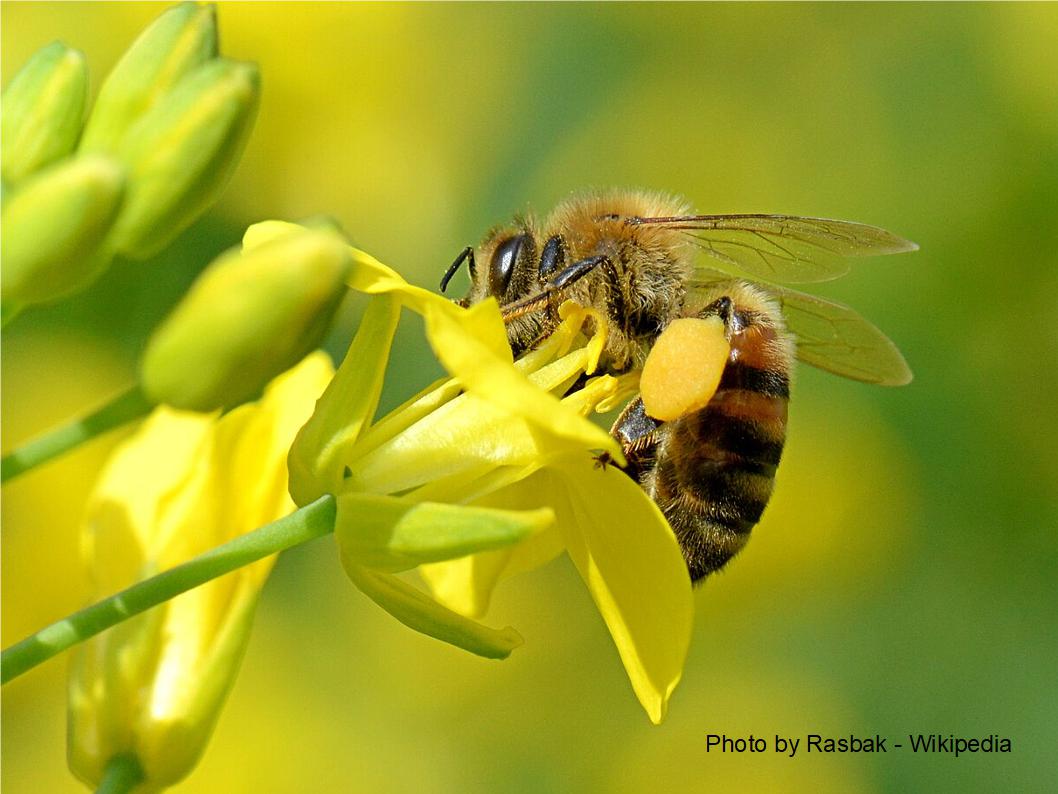
Rapeseed (Brassica napus) is an important source of nectar and pollen for honey bees, but it may also hide some problems.
A recent study conducted in Argentina and published
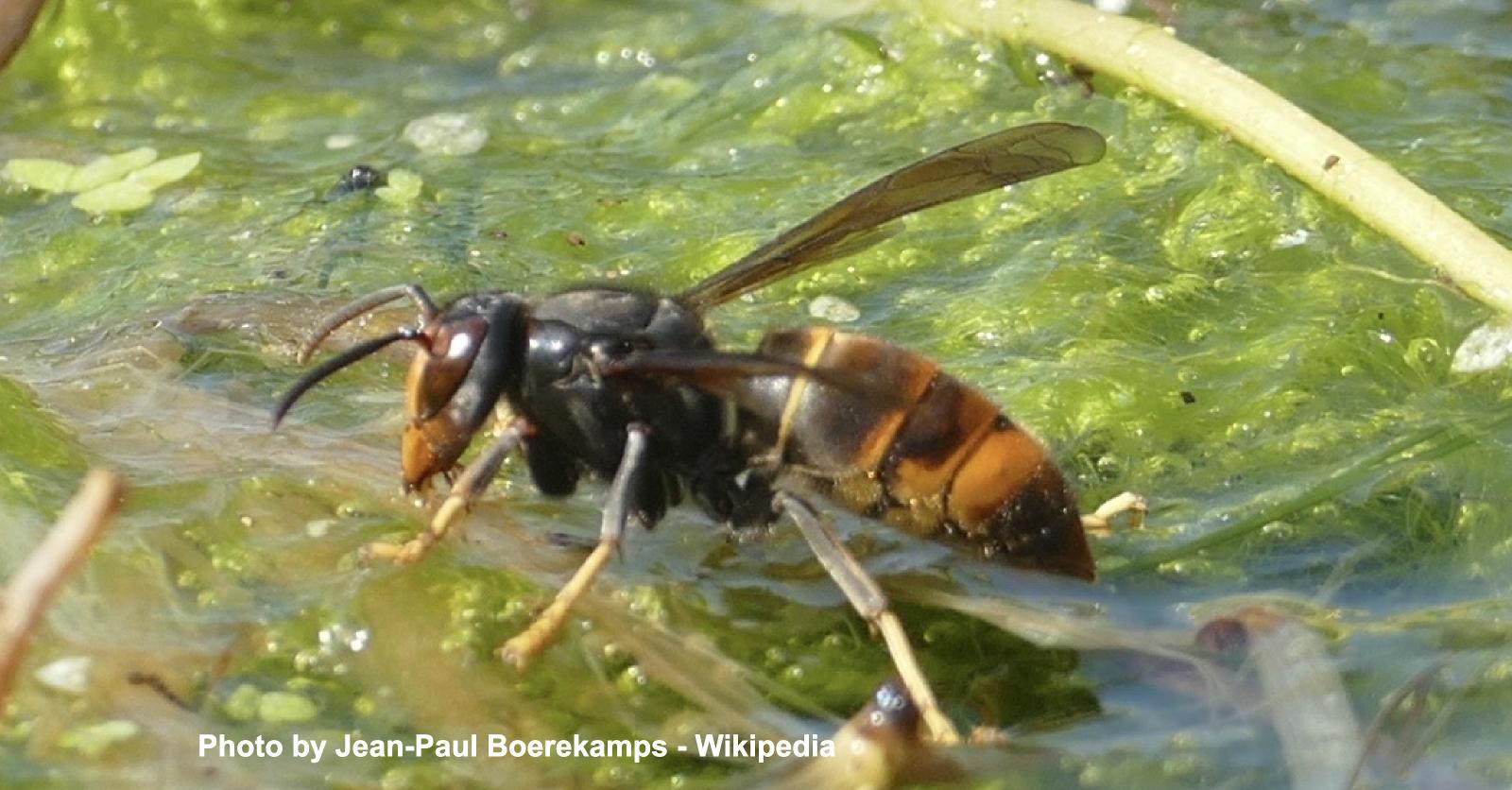
The spread of Vespa velutina continues in the US. This week, the North Carolina Department of Agriculture confirmed the first detection of the yellow-legged hornet in the state, in the

From 25 to 27 September, the 1st International Apitherapy Congress of Switzerland will take place at the Biel Congress Centre, Switzerland. Supported by Apimondia, the event is organized by the
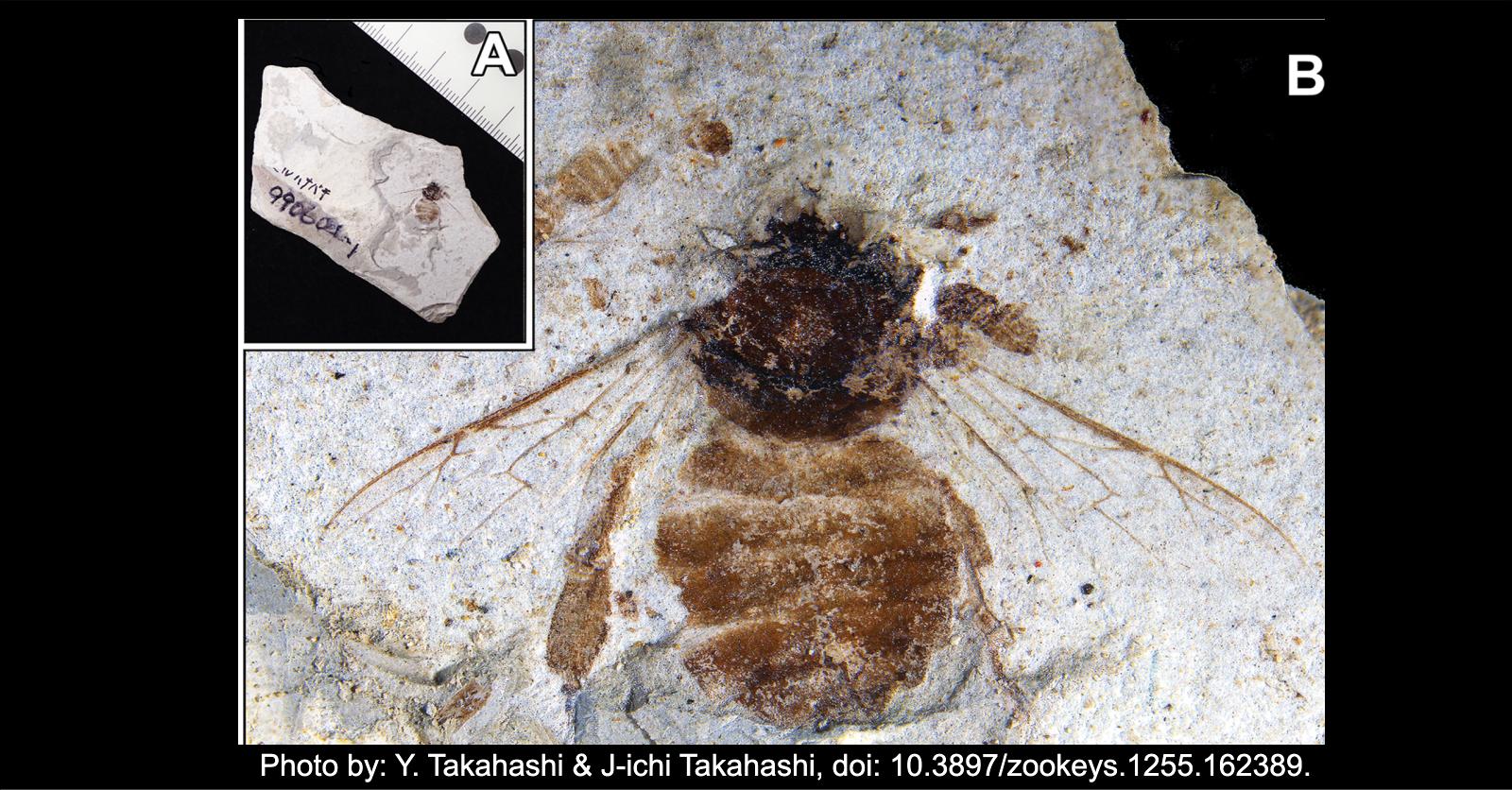
A fossil of a new honey bee species fills a gap of several million years in the evolutionary history of honey bees. Discovered in Hyogo Prefecture, Japan, this fossil belongs