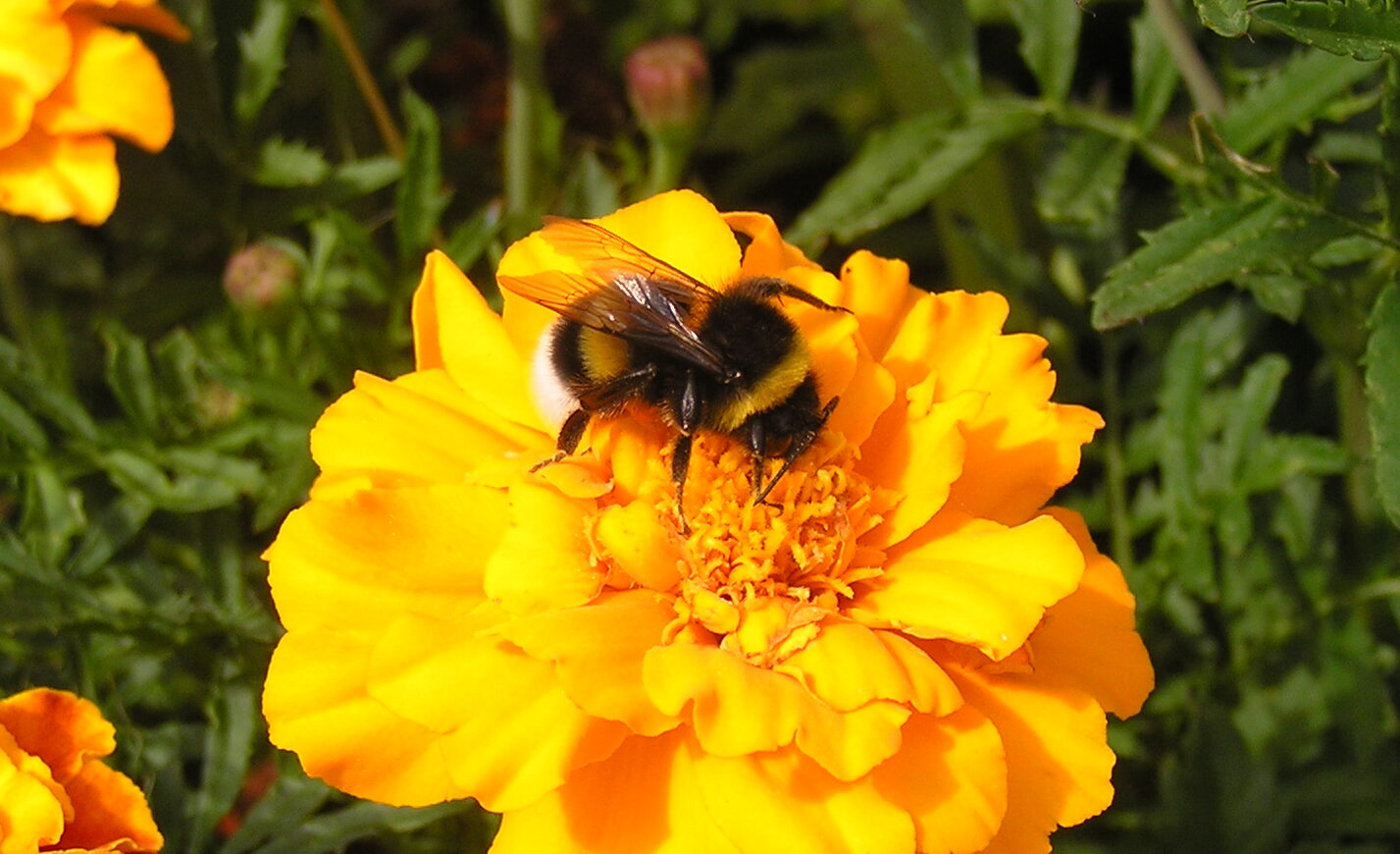
Les pollinisateurs sont essentiels pour la biodiversité, le fonctionnement des écosystèmes et la production alimentaire mondiale, avec plus de 75% des cultures qui en dépendent. Cependant, des preuves de plus en plus nombreuses montrent des déclins importants des populations de pollinisateurs sauvages dans le monde entier.
Dans les discussions récentes, les abeilles mellifères gérées (Apis mellifera) ont souvent été mis en évidence comme une cause potentielle de ces déclins. Bien qu'une compétition localisée pour les ressources et des risques de transmission de pathogènes puissent survenir — en particulier dans des conditions de forte densité de colonies ou de ressources florales limitées — il n'existe aucune preuve cohérente à grande échelle que les abeilles domestiques gérées soient un moteur principal de la perte des pollinisateurs sauvages.
La recherche scientifique désigne les pressions environnementales plus larges comme causes principales, notamment la perte d'habitat, l'intensification agricole, l'exposition aux pesticides, le changement climatique et les espèces envahissantes. Ces facteurs affectent tous les pollinisateurs, les espèces sauvages étant souvent plus vulnérables en raison de l'absence de gestion active.
Le problème clé n'est pas une espèce unique, mais la domination de n'importe quelle espèce au sein des communautés de pollinisateurs. Le maintien de populations de pollinisateurs diversifiées et équilibrées est essentiel pour des écosystèmes résilients et une pollinisation durable.
Une approche équilibrée
Apimondia appelle à une approche scientifique qui :
- soutient l'apiculture et les pollinisateurs sauvages
- favorise la conservation et la restauration de l'habitat
- réduit les impacts des pesticides et du climat
- augmente les ressources florales
- encourage une apiculture responsable et respectueuse de la biodiversité
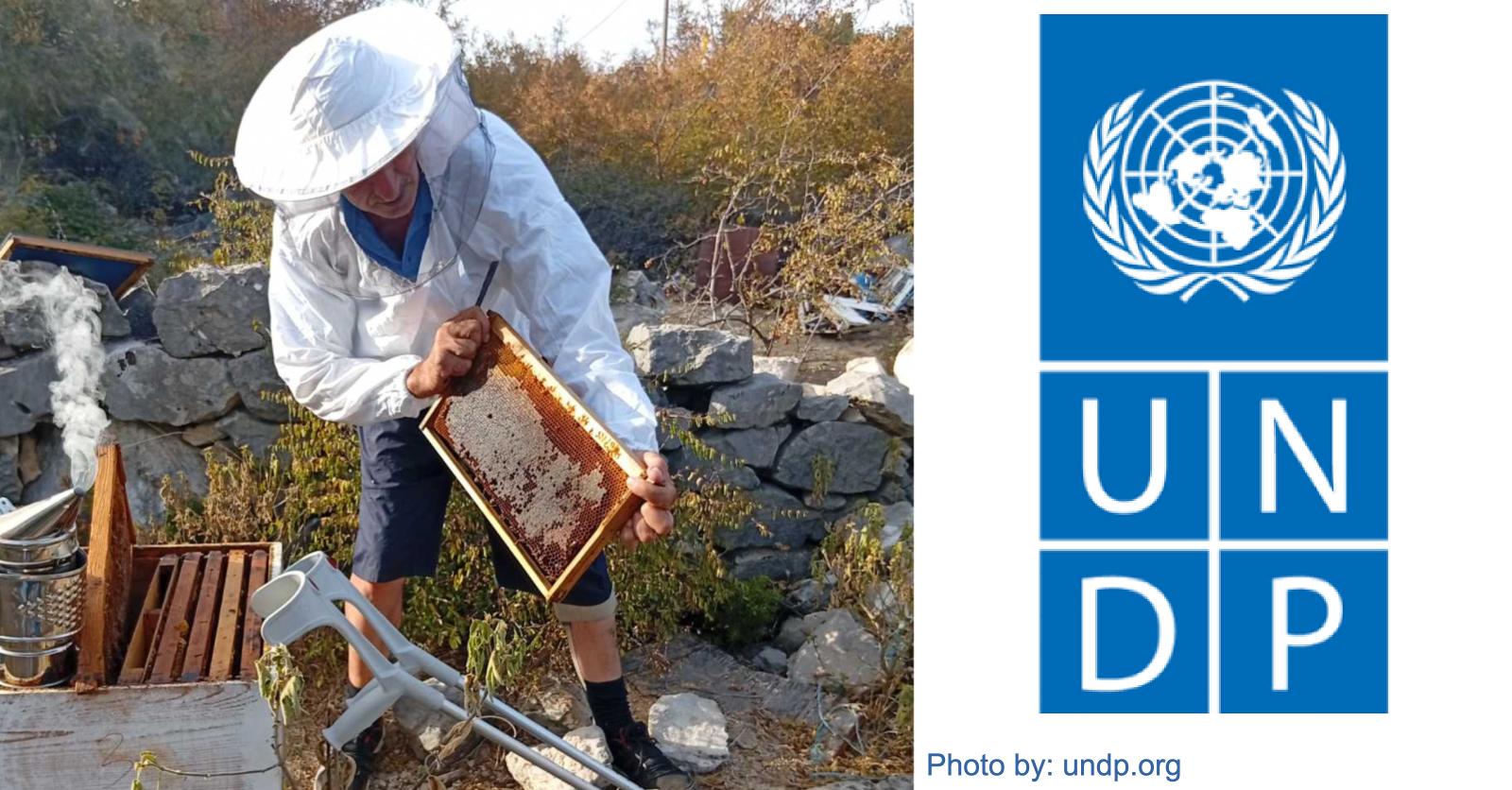
L'apiculture devrait être reconnue comme faisant partie de la solution. Lorsqu'elle est bien gérée, elle soutient la biodiversité, renforce les écosystèmes et contribue à une agriculture et à des moyens de subsistance durables.
Lisez la déclaration complète (PDF ci-joint)